Ambien vs Zopiclone: Which Sleep Aid is Right for You?
A comprehensive comparison of two popular sleep medications — Ambien (Zolpidem) and Zopiclone — to help you find the best solution for your insomnia.
Table of Contents
1. Introduction
Insomnia is one of the most common sleep disorders, affecting approximately 30% of adults at some point in their lives.[3] For many, prescription sleep aids like Ambien (Zolpidem) and Zopiclone provide effective relief. But with two widely used options, it's natural to ask: "Which is better, Ambien or Zopiclone?"
The answer depends on your specific sleep issues – whether you have trouble falling asleep (sleep-onset insomnia) or staying asleep (sleep-maintenance insomnia), as well as your tolerance, medical history, and lifestyle.[1][2] This guide will compare both medications across several key dimensions, helping you have a more informed conversation with your doctor.
Both Ambien and Zopiclone are non-benzodiazepine hypnotics (often called "Z-drugs") that act on the same GABA-A receptors in the brain as benzodiazepines, but with fewer muscle-relaxant and anti-anxiety effects.[5] They are designed primarily for short-term management of insomnia and should be used under strict medical supervision.
2. What is Ambien (Zolpidem)?
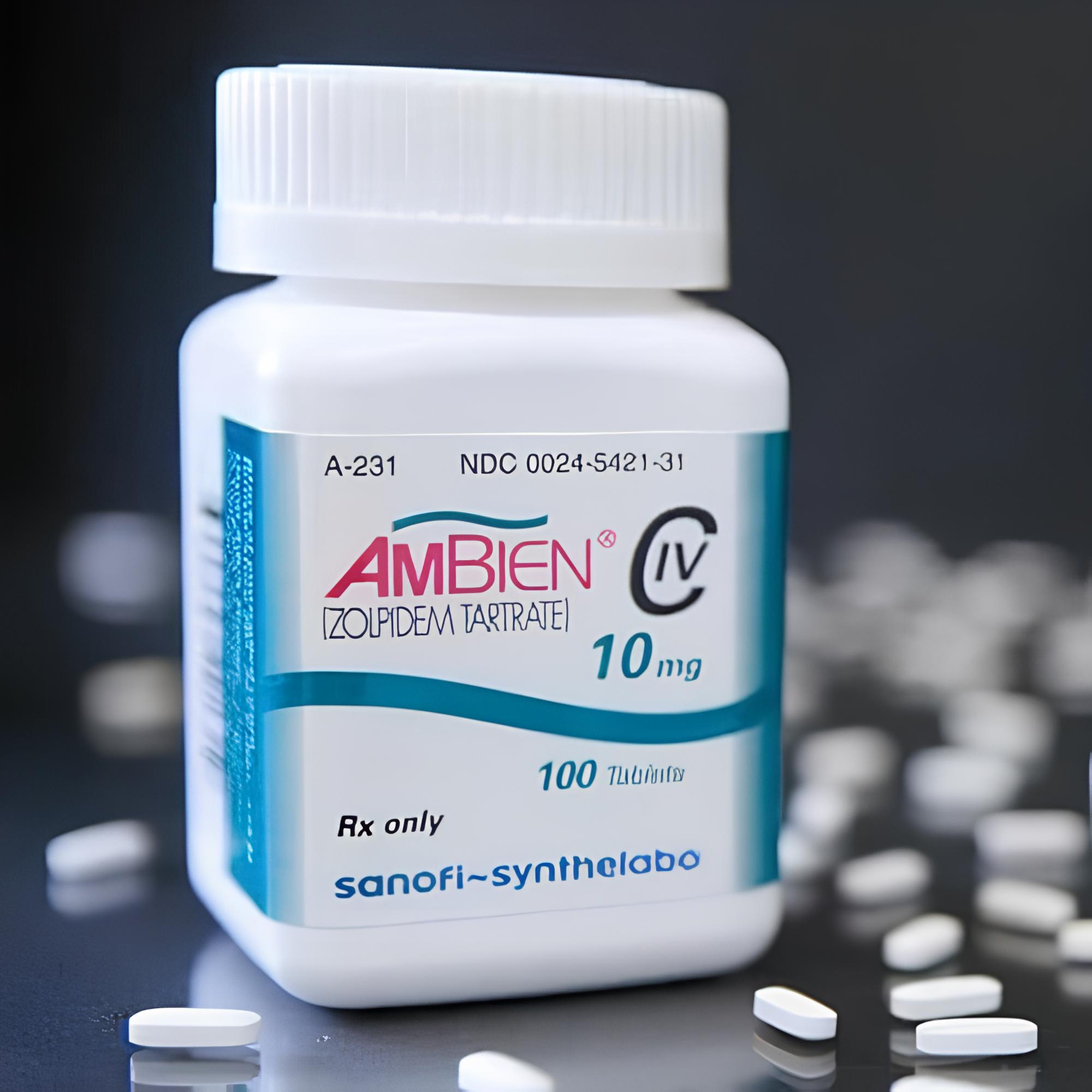
Ambien is the brand name for Zolpidem, a non-benzodiazepine hypnotic introduced in the 1990s.[1] It is primarily prescribed for sleep-onset insomnia – difficulty falling asleep.
Ambien is available in immediate-release (IR) and extended-release (ER) formulations. The IR version helps you fall asleep within 15–30 minutes, while the ER version provides a dual-layer release that helps you stay asleep longer.[1]
Ambien has a relatively short half-life of about 2.5 to 3 hours, which minimizes next-day drowsiness for most people.[1] It is usually taken once daily, just before bedtime, and is approved for short-term use (up to 4 weeks).
How Ambien Works
Ambien binds selectively to the alpha-1 subunit of GABA-A receptors, enhancing the inhibitory effect of GABA in the brain.[1] This produces a sedative effect that helps you fall asleep quickly without significant muscle relaxation or anticonvulsant properties. Its selectivity is what makes it primarily a sleep aid rather than a general anxiolytic.
Common Dosage
For adults, the recommended starting dose for women is 5mg (due to slower clearance), and for men, 5 to 10mg.[1] The extended-release form is usually 6.25mg or 12.5mg. Always take the lowest effective dose.
3. What is Zopiclone?
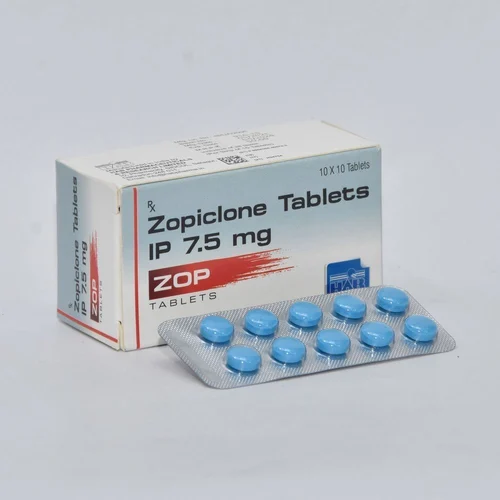
Zopiclone is a non-benzodiazepine hypnotic that is chemically different from Zolpidem but works similarly.[2] It is available in many countries (including the UK, Canada, and Australia) and is indicated for both sleep-onset and sleep-maintenance insomnia.
Zopiclone has a slightly longer half-life of about 3.5 to 6.5 hours, which makes it effective for people who wake up frequently during the night.[2] It is usually taken once daily, about 30–60 minutes before bed.
Like Ambien, it is recommended for short-term use (typically 1-2 weeks) to avoid dependence.[5]
How Zopiclone Works
Zopiclone also binds to GABA-A receptors, but it has a different binding profile than Zolpidem.[2] It may have more pronounced muscle-relaxant and anticonvulsant properties, though these are still mild compared to traditional benzodiazepines. Its longer half-life provides a more sustained effect throughout the night.
Common Dosage
The standard starting dose is 3.75mg for elderly or liver-impaired patients, and 7.5mg for most adults.[2] The dose may be adjusted based on response and tolerability.
4. Ambien vs Zopiclone – Comparison Table
Here's a side-by-side look at the key differences between Ambien (Zolpidem) and Zopiclone:[1][2]
| Feature | Ambien (Zolpidem) | Zopiclone |
|---|---|---|
| Drug Class | Non-benzodiazepine hypnotic (Z-drug) | Non-benzodiazepine hypnotic (Z-drug) |
| Half-Life | 2.5 – 3 hours (short) | 3.5 – 6.5 hours (medium) |
| Onset of Action | 15 – 30 minutes | 30 – 60 minutes |
| Duration of Effect | 4 – 6 hours (IR) / up to 8 hours (ER) | 6 – 8 hours |
| Primary Indication | Sleep-onset insomnia | Sleep-onset & sleep-maintenance insomnia |
| Common Strengths | 5mg, 10mg (IR); 6.25mg, 12.5mg (ER) | 3.75mg, 7.5mg |
| Best For | People who have trouble falling asleep | People who wake up often or have trouble staying asleep |
| Common Side Effect | Memory issues, next-day drowsiness | Metallic taste, dry mouth, morning drowsiness |
5. Onset & Duration of Action
Understanding the timing of these medications is crucial for choosing the right one.[1][2]
Ambien – Fast and Short
Ambien is designed for rapid sleep induction. Its onset is within 15–30 minutes, making it ideal for people who need to fall asleep quickly.[1] However, its short half-life (2.5–3 hours) means it may not sustain sleep through the entire night. For those who wake up in the middle of the night, the extended-release version (Ambien CR) provides a second-layer release to help maintain sleep.
Zopiclone – Steady and Sustained
Zopiclone takes slightly longer to work (30–60 minutes) but its effects last longer (6–8 hours).[2] This makes it a good choice for people who have difficulty staying asleep or who wake up multiple times during the night. The longer half-life also reduces the risk of "middle-of-the-night" awakening.
6. Side Effects Comparison
Both medications share similar side effects, but there are differences in frequency and type.[1][2]
Common Side Effects of Ambien
- Drowsiness or dizziness
- Memory impairment (short-term amnesia)
- Unusual dreams or sleep behaviors (e.g., sleepwalking, sleep-eating)
- Headache
- Next-day grogginess
Common Side Effects of Zopiclone
- Metallic taste (very common, reported in up to 30% of patients)
- Dry mouth
- Drowsiness and dizziness
- Headache
- Morning sedation (may last longer)
Serious Risks (Both)
- Dependence & Withdrawal: Both are Schedule IV controlled substances. Withdrawal symptoms can include rebound insomnia, anxiety, tremors, and rarely, seizures.[4]
- Complex Sleep Behaviors: Including sleep-driving, sleep-eating, and other activities performed while not fully awake. These are more commonly reported with Ambien.[1]
- Respiratory Depression: Especially when combined with alcohol or other CNS depressants.
Always take these medications exactly as prescribed and never combine them with alcohol or other sedatives.
7. Which One Should You Choose?
Your choice should be guided by your specific sleep issue and medical history. Consult your doctor, but here are some general recommendations:[3]
Choose Ambien if:
- Your primary difficulty is falling asleep (sleep-onset insomnia).
- You need a medication with a rapid onset and short duration.
- You prefer not to have next-day grogginess.
- You are not prone to middle-of-the-night awakenings.
Choose Zopiclone if:
- You have both falling asleep and staying asleep issues.
- You frequently wake up during the night.
- You can tolerate a slight bitter/metallic taste (which is common).
- You need a medication with a longer duration of effect.
Important: Neither is a long-term solution. Cognitive Behavioral Therapy for Insomnia (CBT-I) and sleep hygiene improvements are also important components of insomnia management.[3] Always follow your doctor's guidance.
📚 Learn More About Sleep Medications
Explore our educational guides on sleep medications available in the U.S.
⚠️ Prescription required. Available only through licensed healthcare providers.
8. Frequently Asked Questions
References & Authoritative Sources
This guide is based on evidence from the following authoritative sources. All information is reviewed and updated regularly to reflect the latest clinical guidelines and FDA recommendations.
[1] National Institutes of Health — MedlinePlus. Zolpidem (Ambien): MedlinePlus Drug Information. NIH. Updated 2026.
[2] National Institutes of Health — MedlinePlus. Zopiclone: MedlinePlus Drug Information. NIH. Updated 2026.
[3] American Academy of Sleep Medicine. Clinical Practice Guideline for the Pharmacologic Treatment of Chronic Insomnia in Adults. J Clin Sleep Med. 2017;13(2):307-349.
[4] U.S. Drug Enforcement Administration. Controlled Substance Schedules — Schedule IV. DEA.
[5] U.S. Food and Drug Administration. Benzodiazepine and Z-Drug Information — FDA. FDA. Updated 2026.
[6] National Institute of Neurological Disorders and Stroke. Sleep Disorders — NINDS. NIH. Updated 2026.
[7] Mayo Clinic. Insomnia — Symptoms and Causes. Mayo Clinic. Updated 2026.
Last reviewed and updated: July 14, 2026. This page is intended for educational purposes and should not replace professional medical advice.
📚 Need More Information?
Explore our comprehensive guides on sleep health and medications.
Browse All Guides →