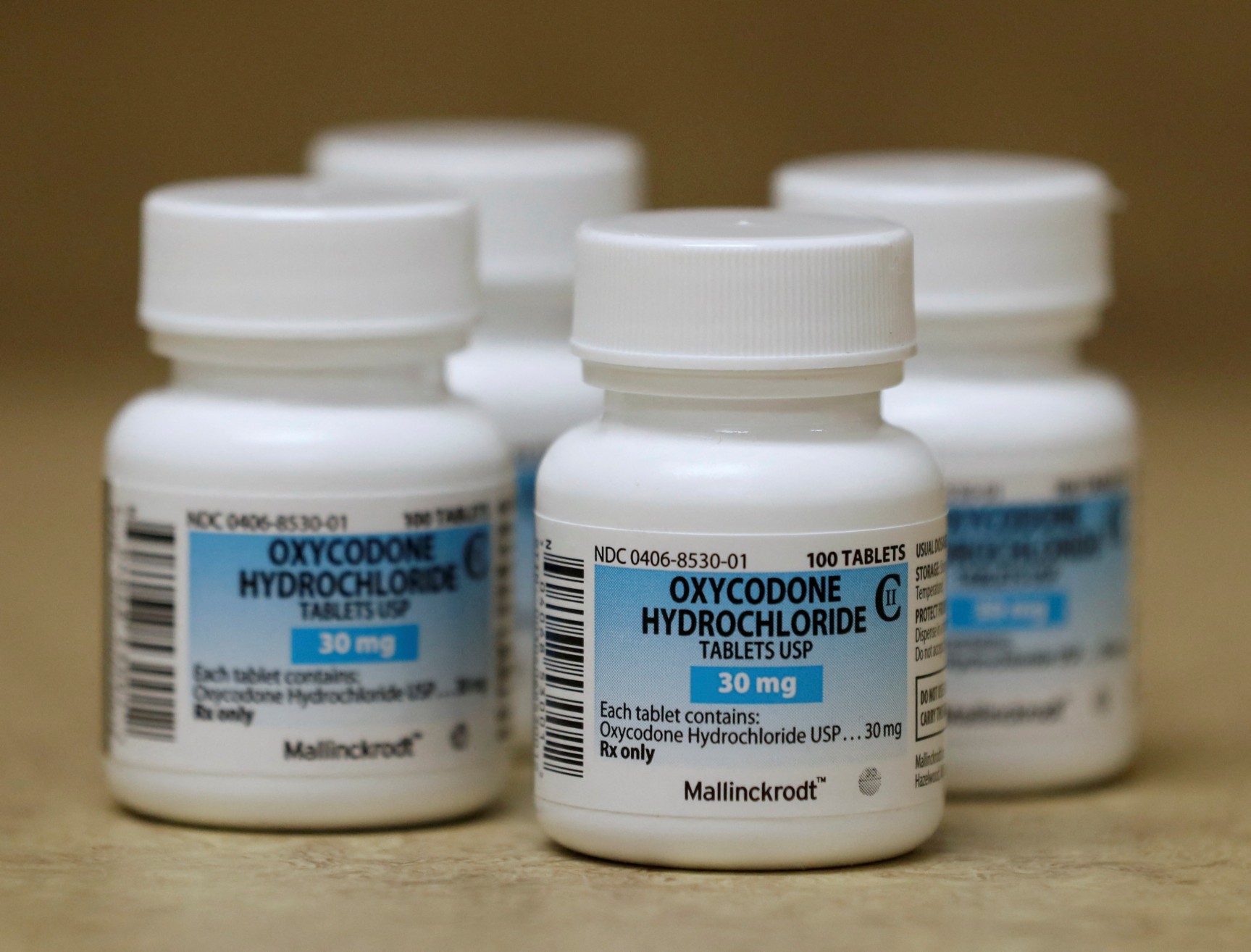
⚠️ Important Medical Disclaimer: This content is for educational and informational purposes only. It is not a substitute for professional medical advice, diagnosis, or treatment. Always consult your physician or a qualified healthcare provider before starting, changing, or discontinuing any medication. Oxycodone 30mg is a prescription-only medication in the United States and requires a valid prescription from a licensed healthcare provider. ↓ See references
Oxycodone 30mg (Oxycodone Hydrochloride): Uses, Dosage, Side Effects & Safety
Evidence-based educational guide for patients and caregivers — FDA-approved uses, dosing guidelines, safety warnings, and clinical insights for severe chronic pain relief for US patients
Medically reviewed by U.S. Licensed Pharmacists | Last updated: July 2026
FDA-approved indications
Evidence-based
Reviewed by U.S. Clinicians
For US Patients
Table of Contents
What Is Oxycodone 30mg? Understanding Its Role in Severe Pain Management
Oxycodone 30mg (Oxycodone Hydrochloride) is a potent semi‑synthetic opioid analgesic approved by the U.S. Food and Drug Administration (FDA) for the management of severe, persistent pain that requires around‑the‑clock treatment.[1] It is frequently prescribed for cancer pain, post‑surgical pain, and pain from serious injuries. It is one of the most widely prescribed medications for severe pain management in the United States, valued for its potency and reliable efficacy. Millions of American patients have used Oxycodone to manage severe chronic pain effectively.
Oxycodone works primarily by binding to μ‑opioid receptors in the central nervous system. This action inhibits the release of pain‑transmitting neurotransmitters, effectively reducing the perception of pain. It also modulates the emotional response to pain, providing both analgesic and mild euphoric effects.[2]
Key Mechanism of Action
- μ‑Opioid Receptor Agonism: Binds to opioid receptors, blocking pain signals in the brain and spinal cord.
- Pain Modulation: Reduces the emotional and sensory aspects of pain perception.
- Onset: Immediate-release formulation begins working within 30–60 minutes of oral administration.
- Duration: Pain relief lasts approximately 4–6 hours (IR formulation).
- Half-Life: Average elimination half-life is 3–5 hours.
- Metabolism: Primarily metabolized in the liver via CYP3A4 and CYP2D6 enzymes.
Clinical Uses & Benefits of Oxycodone 30mg for US Patients
Oxycodone 30mg is indicated for the following conditions based on FDA approval and clinical guidelines:[1][3]
- ✅ Severe Chronic Pain: Highly effective in managing severe, persistent pain that does not respond to non‑opioid analgesics. Provides reliable pain control for chronic conditions such as osteoarthritis, fibromyalgia, and severe back pain affecting millions of American adults.
- ✅ Cancer Pain: Frequently prescribed for cancer pain, providing effective pain management for patients undergoing cancer treatment or in palliative care.
- ✅ Post‑Surgical Pain: Often used for post‑surgical pain, providing effective pain control during the recovery period after major surgery.
- ✅ Pain from Serious Injuries: Effective for pain resulting from serious injuries, such as fractures, burns, and trauma.
- ✅ Potent Analgesia: The 30mg strength provides potent pain relief for patients who have developed tolerance to lower doses.
Note: Results vary per individual. Oxycodone should be used as part of a comprehensive pain management plan under strict medical supervision.
Oxycodone 30mg: Key Information & Specifications
| Drug Class | Opioid Analgesic (Full μ‑Opioid Receptor Agonist) |
|---|---|
| FDA-Approved Indications | Severe Chronic Pain, Cancer Pain, Post‑Surgical Pain, Injury‑Related Pain |
| Active Ingredient | Oxycodone Hydrochloride |
| Onset of Action | 30–60 Minutes (Immediate‑Release) |
| Duration of Effect | 4–6 Hours |
| Elimination Half-Life | 3–5 Hours (Average ~4 hours) |
| Available Strengths | 5mg, 10mg, 15mg, 20mg, 30mg |
| Prescription Status | Schedule II Controlled Substance — Prescription required in the USA |
| Common Brand Names | OxyContin (ER), Roxicodone (IR), Percocet (with acetaminophen) |
Source: FDA Label for Oxycodone (Oxycodone Hydrochloride) — see references.
Common and Serious Side Effects of Oxycodone 30mg
While Oxycodone is highly effective for severe pain, it can cause side effects. Most are dose-related and may diminish with continued therapy. Contact your healthcare provider immediately if you experience severe or persistent side effects.
Common Side Effects (Affecting >5% of US Users)
- Drowsiness / Sedation: Dose-related CNS depression, particularly pronounced during initial therapy.
- Dizziness: Lightheadedness or orthostatic hypotension.
- Nausea: Mild gastrointestinal discomfort, especially during initial therapy.
- Constipation: Slowed bowel movements, a common opioid-related effect.
- Fatigue: Generalized tiredness or lack of energy affecting daily functioning.
- Vomiting: Occasional nausea and vomiting, especially at higher doses.
Serious Side Effects (Seek Immediate Medical Help)
- Respiratory Depression: Slowed or difficult breathing (potentially fatal).
- Allergic Reactions: Rash, urticaria, angioedema, severe dizziness, or trouble breathing (anaphylaxis).
- Serotonin Syndrome: Agitation, hallucinations, tachycardia, fever, hyperreflexia, and muscle rigidity. Risk increases with concurrent use of SSRIs, SNRIs, or MAOIs.
- Adrenal Insufficiency: Severe fatigue, nausea, vomiting, or low blood pressure.
- Dependence and Withdrawal: Physical and psychological dependence with prolonged use. Abrupt discontinuation can precipitate life-threatening withdrawal symptoms.
Important: This is not a complete list of side effects. For a full list, refer to the FDA prescribing information or consult your pharmacist or healthcare provider. View FDA Label on DailyMed →
Important Warnings & Drug Interactions for Oxycodone 30mg
Contraindications — Do not take Oxycodone if you:
- Have a history of hypersensitivity to Oxycodone Hydrochloride or other opioids.
- Have severe hepatic insufficiency or significant renal impairment without appropriate dose adjustment.
- Have respiratory depression, sleep apnea, or myasthenia gravis.
- Are taking MAO inhibitors (or have taken them within the last 14 days).
- Are pregnant, planning to become pregnant, or breastfeeding (consult your obstetrician immediately).
Serious Drug Interactions
- Other CNS Depressants: Alcohol, opioids, benzodiazepines, barbiturates, and sedative-hypnotics significantly increase the risk of severe sedation, respiratory depression, coma, and death.
- Antidepressants (SSRIs, SNRIs, MAOIs): Significantly increase the risk of serotonin syndrome, which can be fatal if not treated promptly.
- Antihistamines: Can potentiate sedative effects and cause excessive drowsiness.
- CYP3A4 Inhibitors (e.g., Ketoconazole, Itraconazole, Erythromycin): Can significantly increase plasma levels of Oxycodone, requiring dose reduction.
- CYP3A4 Inducers (e.g., Rifampin): May reduce the effectiveness of Oxycodone.
Safety Precautions for US Patients
- Risk of Dependence: Oxycodone is a Schedule II controlled substance. Prolonged use leads to tolerance, physical dependence, and addiction potential.
- Withdrawal: Abrupt discontinuation can cause severe withdrawal symptoms including anxiety, insomnia, sweating, and agitation. Always taper under medical supervision.
- Driving and Machinery: Oxycodone significantly impairs psychomotor function. Do not drive or operate heavy machinery until you know how the medication affects you.
- Pregnancy and Breastfeeding: Oxycodone is not recommended during pregnancy (Category C). It is excreted in breast milk and may cause respiratory depression in nursing infants.
- Geriatric Patients: Elderly patients are more susceptible to CNS depression, falls, and respiratory depression. Starting doses should be reduced and titrated slowly.
Pharmacology of Oxycodone 30mg: How Oxycodone Works in the Body
Absorption and Bioavailability
Oxycodone is rapidly and completely absorbed following oral administration. Peak plasma concentrations are achieved within 1 to 2 hours. The oral bioavailability of oxycodone is approximately 60-80%, making it highly effective when taken by mouth. The drug is moderately lipophilic, allowing it to cross the blood-brain barrier effectively and exert its central nervous system effects.
Distribution and Protein Binding
Once absorbed, oxycodone is extensively distributed throughout the body. Approximately 38-45% of the drug is bound to plasma proteins. The volume of distribution is approximately 2-3 L/kg. Its moderate lipophilicity contributes to its rapid onset and intermediate duration of action.
Metabolism and Active Metabolites
Oxycodone is extensively metabolized in the liver via the CYP450 enzyme system, primarily CYP3A4 and CYP2D6. The major metabolic pathways involve O-demethylation to form oxymorphone (via CYP2D6) and N-demethylation to form noroxycodone (via CYP3A4). Both metabolites have analgesic activity, with oxymorphone being a potent opioid agonist. The CYP2D6 polymorphism can significantly affect the analgesic efficacy of oxycodone.
Elimination and Half-Life
The elimination half-life of oxycodone ranges from 3 to 5 hours, with an average of approximately 4 hours. The half-life of its active metabolites contributes to the overall duration of action. This intermediate half-life profile allows for convenient dosing every 4 to 6 hours for immediate-release formulations.
Renal and Hepatic Considerations
Oxycodone and its metabolites are primarily excreted in the urine. In patients with renal impairment (creatinine clearance less than 60 mL/min), dose adjustment is required due to reduced clearance. In patients with hepatic impairment, the metabolism of oxycodone may be significantly reduced, necessitating dose reduction or alternative therapy.
Frequently Asked Questions About Oxycodone 30mg
Can I buy Oxycodone 30mg online safely?
Yes, but it requires a valid prescription from a licensed healthcare provider in the United States. Always ensure you are purchasing from a legitimate, licensed pharmacy like MedStore that follows all federal and state regulations for prescription verification, patient safety, and HIPAA compliance. Never purchase from unverified online sources.
What conditions is Oxycodone 30mg prescribed for?
Oxycodone 30mg (Oxycodone Hydrochloride) is FDA-approved for the management of severe, persistent pain that requires around-the-clock treatment. It is commonly prescribed for cancer pain, post-surgical pain, and pain from serious injuries. The 30mg strength is typically reserved for patients who have developed tolerance to lower doses.
How quickly does Oxycodone 30mg work?
Oxycodone 30mg is an immediate-release formulation. Most patients begin to experience analgesic effects within 30 to 60 minutes after oral administration. The peak plasma concentration is reached within 1 to 2 hours. Individual response times may vary based on metabolism, other medications, and the severity of the pain condition.
Is Oxycodone 30mg suitable for long-term use?
Oxycodone 30mg may be used for long-term management of severe pain when prescribed and monitored by a healthcare provider. However, it carries significant risks of tolerance, physical dependence, and withdrawal symptoms with prolonged therapy. Patients using Oxycodone long-term require regular monitoring for potential side effects, dependence, and changes in pain management needs. Always follow your doctor's guidance and never adjust your dose without medical supervision.
What are the common side effects of Oxycodone 30mg?
Common side effects of Oxycodone 30mg include drowsiness, sedation, dizziness, nausea, constipation, vomiting, and fatigue. These effects are often dose-dependent and may diminish with continued therapy. Serious but rare side effects include respiratory depression, serotonin syndrome, and allergic reactions. Patients experiencing severe or persistent side effects should contact their healthcare provider immediately.
What is the recommended starting dose of Oxycodone 30mg?
For opioid-naive patients (those not currently taking opioids), the recommended starting dose of immediate-release Oxycodone is 5mg to 15mg every 4 to 6 hours as needed for pain. The 30mg strength is typically used in patients who have developed tolerance to lower doses and require higher opioid doses for adequate pain control. Geriatric patients and those with renal or hepatic impairment may require lower starting doses. Always follow your physician's specific dosing instructions and never exceed the recommended dose.
Can Oxycodone 30mg be taken with other medications?
Oxycodone 30mg has significant drug interactions that can be life-threatening. Concurrent use with other CNS depressants such as opioids, alcohol, benzodiazepines, and other sedatives can lead to profound sedation, respiratory depression, coma, and death. Additionally, combining Oxycodone with antidepressants (SSRIs, SNRIs, MAOIs) can increase the risk of serotonin syndrome. Always provide your doctor and pharmacist with a complete list of all medications, including over-the-counter drugs and supplements.
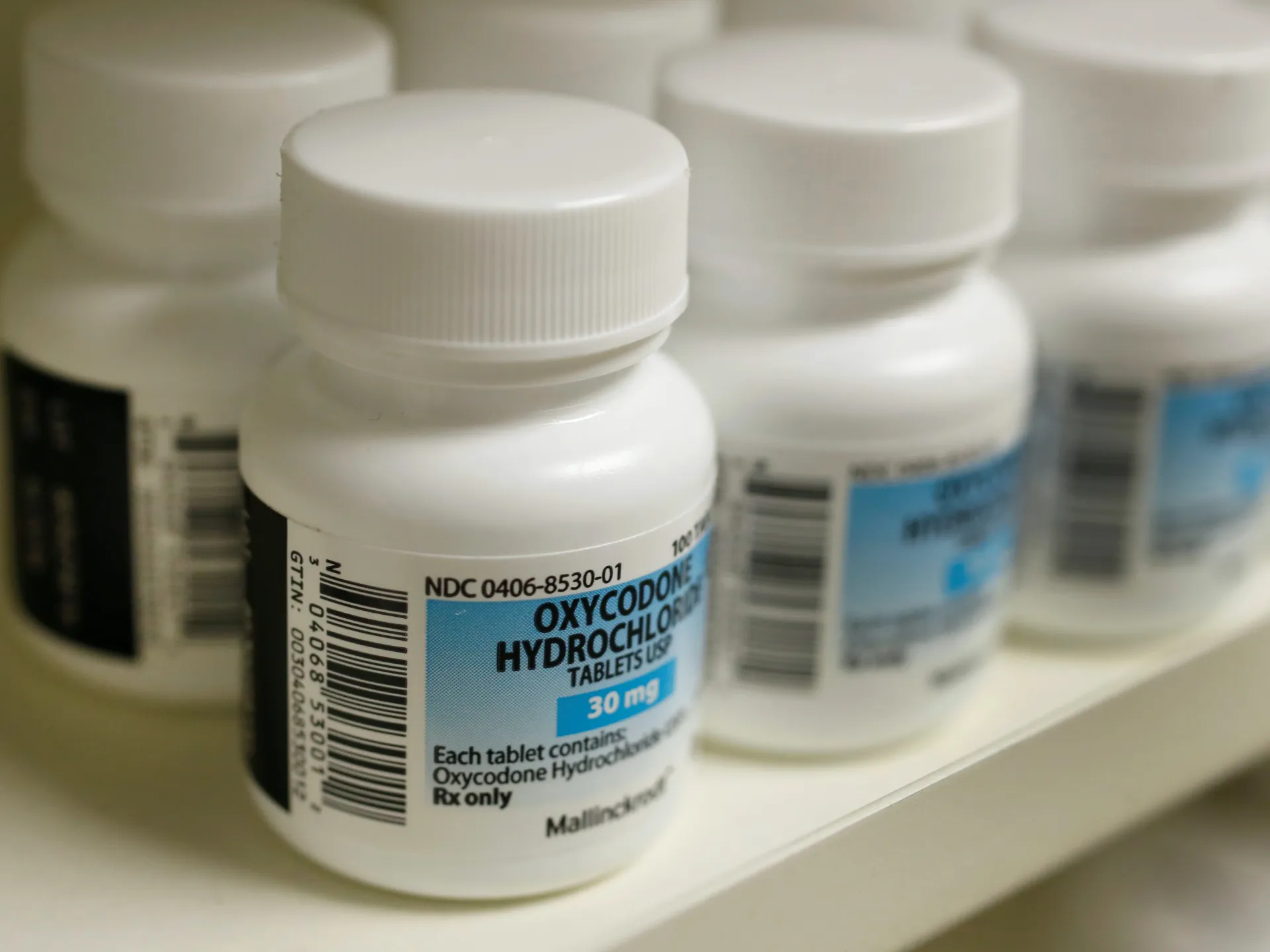
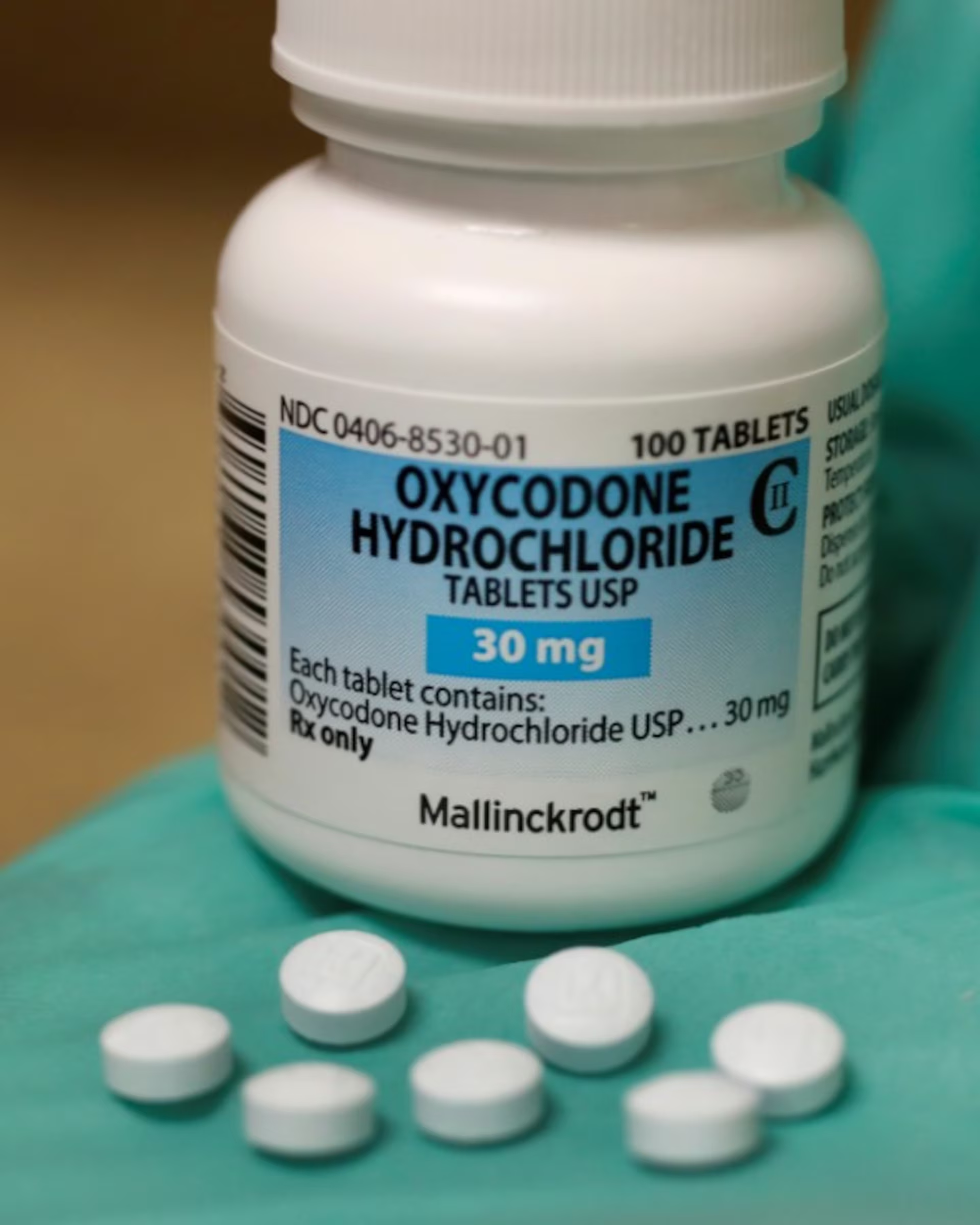
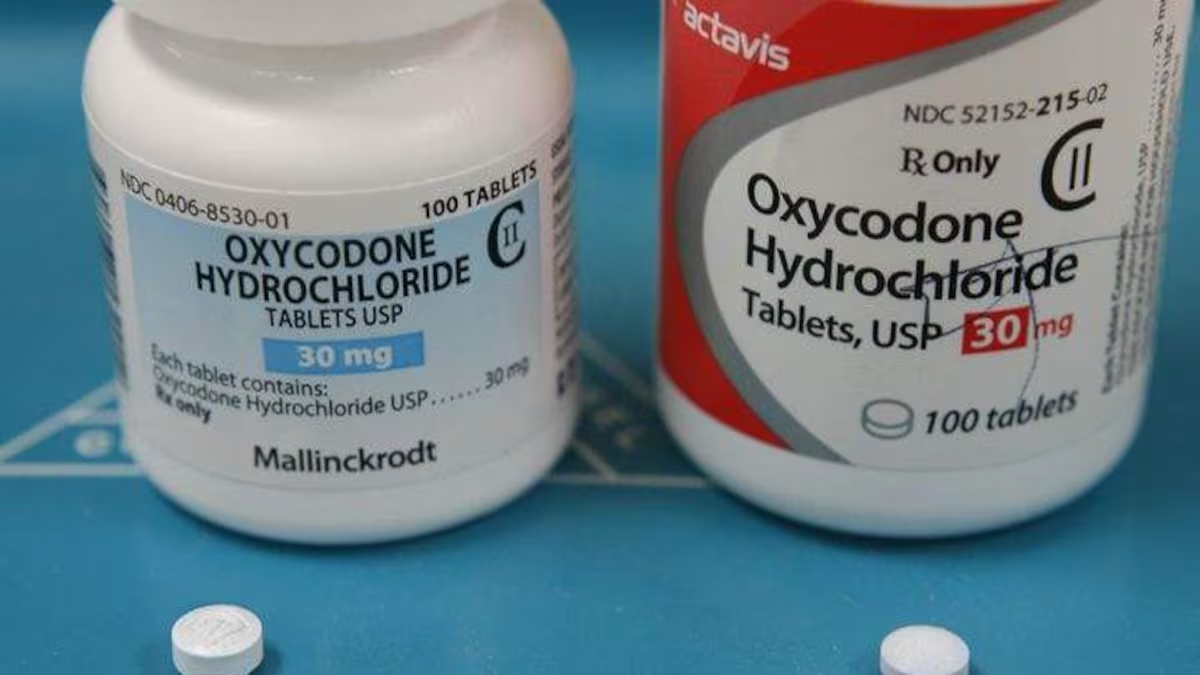
Visual Reference — Oxycodone 30mg Tablets
Images are for illustrative purposes only. This medication is available by prescription only.
📋 About This Medication
Oxycodone 30mg (Oxycodone Hydrochloride) is a potent opioid analgesic used for the management of severe chronic pain, cancer pain, and post-surgical pain. It works by binding to μ-opioid receptors in the brain to reduce pain perception.
- Prescription required — Schedule II controlled substance
- Common strengths: 5mg, 10mg, 15mg, 20mg, 30mg
- Available through: Licensed pharmacies only
This information is for educational purposes only. Always consult your healthcare provider.
📞 Check Availability →References & Authoritative Sources
This guide is based on evidence from the following authoritative sources. All information is reviewed and updated regularly to reflect the latest clinical guidelines and FDA recommendations.
[1] U.S. Food and Drug Administration — DailyMed: Oxycodone (Oxycodone Hydrochloride) Label Information. NIH National Library of Medicine.
[2] National Institutes of Health — MedlinePlus. Oxycodone: MedlinePlus Drug Information. NIH. Updated 2026.
[3] American Pain Society. Clinical Practice Guideline for the Management of Chronic Pain in Adults. 2022.
[4] National Institute of Neurological Disorders and Stroke. Chronic Pain — NINDS. NIH. Updated 2026.
[5] U.S. Drug Enforcement Administration. Controlled Substance Schedules — Schedule II. DEA.
[6] National Center for Biotechnology Information. Oxycodone — StatPearls. NCBI.
Last reviewed and updated: July 14, 2026. This page is intended for educational purposes and should not replace professional medical advice.
Oxycodone 30mg
Oxycodone HCl | Schedule II