⚠️ Important Medical Disclaimer: This content is for educational and informational purposes only. It is not a substitute for professional medical advice, diagnosis, or treatment. Always consult your physician or a qualified healthcare provider before starting, changing, or discontinuing any medication. Valium 10mg is a prescription-only medication in the United States and requires a valid prescription from a licensed healthcare provider. ↓ See references
Valium 10mg (Diazepam): Uses, Dosage, Side Effects & Safety
Evidence-based educational guide for patients and caregivers — FDA-approved uses, dosing guidelines, safety warnings, and clinical insights
Medically reviewed by U.S. Licensed Pharmacists | Last updated: July 2026
FDA-approved indications
Evidence-based
Reviewed by U.S. Clinicians
Table of Contents
1. What is Valium 10mg?
Valium 10mg (Diazepam) is a long-acting benzodiazepine approved by the U.S. Food and Drug Administration (FDA) for the treatment of anxiety disorders, acute stress reactions, muscle spasms, and alcohol withdrawal syndrome.[1] It is one of the most widely prescribed benzodiazepines in the United States, valued for its versatility, long duration of action, and consistent therapeutic effects.
Valium works by enhancing the activity of GABA (gamma-aminobutyric acid) at the GABA-A receptor, the brain's primary inhibitory neurotransmitter. This produces a calming effect on the central nervous system, reducing excessive neuronal activity, relieving anxiety, and promoting muscle relaxation.[2]
Key Mechanism of Action
- GABA-A Receptor Enhancement: Amplifies inhibitory signals in the brain, reducing neural overactivity and promoting relaxation.
- Onset of Action: Begins working within 30–60 minutes of oral administration.
- Duration of Effect: Therapeutic effects last approximately 4–6 hours, with active metabolites extending the overall effect.
- Elimination Half-Life: Average half-life is 20–50 hours (long-acting), allowing for once- or twice-daily dosing.[2]
- Active Metabolites: Diazepam has several active metabolites (including desmethyldiazepam, temazepam, and oxazepam) that contribute to its prolonged duration of action.[1]
2. How Does Valium Work?
Valium works by enhancing the effect of the neurotransmitter GABA (gamma-aminobutyric acid) in the brain. GABA inhibits nerve transmission in the brain, producing a calming effect. By increasing GABA activity, Valium reduces anxiety, induces relaxation, and can help prevent panic attacks.[2]
Because of its long duration of action, Valium provides a steady, sustained relief that can help patients manage their daily stressors without the need for multiple doses.
Key Mechanism of Action
- GABA-A Receptor Enhancement: Amplifies inhibitory signals in the brain, reducing neural overactivity.
- Fast Onset: Begins working within 30–60 minutes after oral intake.
- Long Duration: Active metabolites provide sustained relief with less frequent dosing.
- Half-Life: Average elimination half-life is 20–50 hours (long-acting).[2]
3. Valium 10mg: Key Information & Specifications
| Drug Class | Benzodiazepine (Long-Acting) |
|---|---|
| FDA-Approved Indications | Anxiety Disorders, Acute Stress, Muscle Spasms, Alcohol Withdrawal |
| Active Ingredient | Diazepam |
| Onset of Action | 30–60 Minutes (Oral Administration) |
| Duration of Effect | 4–6 Hours (Active metabolites extend effect) |
| Elimination Half-Life | 20–50 Hours (Average ~48 hours) |
| Available Strengths | 2mg, 5mg, 10mg |
| Prescription Status | Schedule IV Controlled Substance — Prescription required in the USA |
| Common Brand Names | Valium (U.S.), Diazepam (generic) |
Source: FDA Label for Valium (Diazepam) — see references.
4. Clinical Uses & Benefits of Valium 10mg
Valium 10mg is indicated for the following conditions based on FDA approval and clinical guidelines:[1][3]
Generalized Anxiety Disorder (GAD)
Valium is highly effective in reducing the symptoms of generalized anxiety, including excessive worry, restlessness, and tension. Its long duration of action provides sustained relief throughout the day.[1]
Muscle Spasms
Valium helps relax muscles and relieve spasms caused by conditions like back pain, neck pain, and certain neurological disorders.[2]
Alcohol Withdrawal
Valium is commonly used to manage the symptoms of alcohol withdrawal, including anxiety, tremors, and seizures, helping patients safely detoxify.[1]
Seizure Disorders
Valium is used as an adjunctive therapy for certain types of seizure disorders, helping to reduce the frequency and severity of seizures.[1]
Key Benefits
- ✅ Long-Lasting Relief: Extended half-life reduces dosing frequency (often once or twice daily).
- ✅ Dual Purpose: Effective for both anxiety disorders and muscle relaxation.
- ✅ Mood Stabilization: Helps regulate emotional ups and downs associated with anxiety.
- ✅ Improved Daily Functioning: Reduces anxiety symptoms, allowing better focus and productivity.
- ✅ Well-Studied: Decades of clinical use with extensive real-world evidence.[3]
Note: Results vary per individual. Always follow your healthcare provider's prescribed dosage.
5. Common and Serious Side Effects of Valium 10mg
While Valium is generally well-tolerated when used as prescribed, some individuals may experience side effects. Most are dose-related and may diminish with continued therapy. Contact your healthcare provider immediately if you experience severe or persistent side effects.
Common Side Effects (Affecting >5% of Users)
- Drowsiness / Sedation: Dose-related CNS depression, particularly pronounced during initial therapy.[2]
- Fatigue: Generalized tiredness or lack of energy.
- Dizziness: Lightheadedness or orthostatic hypotension.
- Muscle Weakness: Temporary reduction in muscle strength, especially at higher doses.
- Ataxia: Coordination problems or unsteady gait.[1]
- Impaired Concentration: Reduced cognitive performance and attention span.
Serious Side Effects (Seek Immediate Medical Help)
- Respiratory Depression: Slowed or difficult breathing, especially in elderly patients or when combined with other CNS depressants.[1]
- Severe Sedation: Profound drowsiness leading to an inability to stay awake.
- Memory Impairment: Significant anterograde amnesia, especially at higher doses.
- Allergic Reactions: Rash, urticaria, angioedema, severe dizziness, or trouble breathing (anaphylaxis).
- Paradoxical Reactions: Increased anxiety, agitation, hostility, or aggression (rare but serious).
- Dependence and Withdrawal: Physical and psychological dependence with prolonged use. Abrupt discontinuation can precipitate life-threatening withdrawal seizures.[4]
Important: This is not a complete list of side effects. For a full list, refer to the FDA prescribing information or consult your pharmacist or healthcare provider. View FDA Label Information →
6. Important Warnings & Drug Interactions for Valium 10mg
Contraindications — Do not take Valium if you:
- Have a history of hypersensitivity to Diazepam or other benzodiazepines.
- Have severe hepatic insufficiency or significant renal impairment without appropriate dose adjustment.[1]
- Have sleep apnea, severe respiratory insufficiency, or myasthenia gravis.
- Are pregnant, planning to become pregnant, or breastfeeding (consult your obstetrician immediately — Valium may cause fetal harm and neonatal withdrawal).[4]
Serious Drug Interactions
- Other CNS Depressants: Alcohol, opioids, other benzodiazepines, barbiturates, and sedative-hypnotics significantly increase the risk of severe sedation, respiratory depression, coma, and death.[1]
- Antidepressants (SSRIs/SNRIs): May increase the risk of serotonin syndrome when combined with Valium.
- Antihistamines: Can potentiate sedative effects and cause excessive drowsiness.
- CYP3A4 Inhibitors (e.g., Ketoconazole, Itraconazole, Erythromycin): Can significantly increase plasma levels of Diazepam, requiring dose reduction.[1]
- Opioid Analgesics: Concurrent use is strongly discouraged; if unavoidable, use the lowest effective doses and monitor for respiratory depression closely.
Safety Precautions
- Risk of Dependence: Valium is a Schedule IV controlled substance. Prolonged use leads to tolerance, physical dependence, and addiction potential.[4]
- Withdrawal: Abrupt discontinuation can cause severe withdrawal symptoms including rebound anxiety, insomnia, muscle cramps, and seizures. Always taper under medical supervision.
- Driving and Machinery: Valium significantly impairs psychomotor function. Do not drive or operate heavy machinery until you know how the medication affects you.[2]
- Pregnancy and Breastfeeding: Diazepam is not recommended during pregnancy (Category D). It is excreted in breast milk and should be avoided during breastfeeding.[1]
- Geriatric Patients: Elderly patients are more susceptible to sedation, ataxia, and respiratory depression. Starting doses should be reduced (e.g., 2mg BID) and titrated slowly.
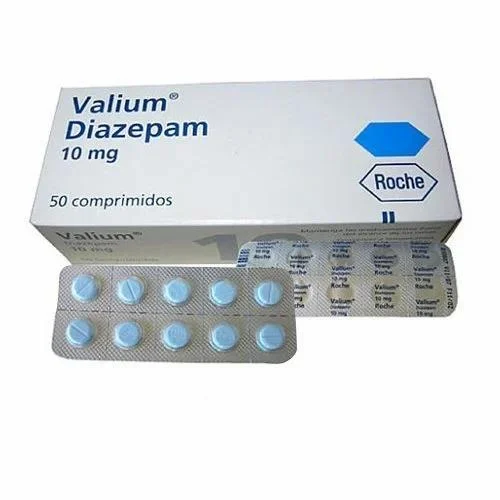
Visual Reference — Valium 10mg Tablets
Images are for illustrative purposes only. This medication is available by prescription only.



📋 About This Medication
Valium 10mg (Diazepam) is a long-acting benzodiazepine used for the treatment of anxiety disorders, muscle spasms, and alcohol withdrawal. It works by enhancing GABA activity in the brain to produce a calming effect.
- Prescription required — Schedule IV controlled substance
- Common strengths: 2mg, 5mg, 10mg
- Available through: Licensed pharmacies only
This information is for educational purposes only. Always consult your healthcare provider.
8. Frequently Asked Questions About Valium 10mg
What conditions does Valium 10mg effectively help treat?
Valium 10mg (Diazepam) is FDA-approved for the treatment of generalized anxiety disorder (GAD), acute stress reactions, muscle spasms (including those associated with cerebral palsy and paraplegia), and alcohol withdrawal syndrome. It may also be prescribed off-label for seizure disorders and as a premedication for certain medical procedures.[1][2]
How quickly does Valium 10mg take effect?
Valium 10mg (Diazepam) is rapidly absorbed from the gastrointestinal tract, with therapeutic effects typically beginning within 30 to 60 minutes of oral administration. The peak plasma concentration is reached within 1 to 2 hours. Due to its long half-life (20–50 hours) and active metabolites, the effects can be sustained for extended periods, allowing for less frequent dosing.[2]
Is Valium 10mg suitable for long-term use?
No. Valium 10mg (Diazepam) is generally recommended for short-term use only (typically 2 to 4 weeks) due to the significant risk of tolerance, physical dependence, and severe withdrawal symptoms with prolonged therapy. Long-term use should only be considered in exceptional cases under close medical supervision. Abrupt discontinuation can lead to life-threatening withdrawal seizures and should always be done through a gradual tapering protocol.[1][4]
What are the common side effects of Valium 10mg?
Common side effects of Valium 10mg include drowsiness (sedation), fatigue, dizziness, muscle weakness, ataxia (coordination problems), and impaired concentration. These effects are often dose-dependent and may diminish with continued therapy. Patients experiencing severe, persistent, or worsening side effects should contact their healthcare provider immediately. Serious side effects include respiratory depression, severe sedation, and allergic reactions.[1][2]
What is the recommended starting dose of Valium 10mg?
The typical starting dose for adults is 2mg to 10mg taken 2 to 4 times daily, depending on the condition being treated, patient age, and individual response. The 10mg strength is a high-dose formulation intended for patients who have been carefully titrated to this dose over time. Geriatric patients and those with liver or kidney impairment may require significantly lower starting doses (e.g., 2mg BID). Always follow your physician's specific dosing instructions and never adjust your dose without medical supervision.[1]
Can Valium 10mg be taken with other medications?
Valium 10mg (Diazepam) has significant drug interactions that can be life-threatening. Concurrent use with other CNS depressants such as opioids, alcohol, other benzodiazepines, barbiturates, and sedative-hypnotics can lead to profound sedation, respiratory depression, coma, and death. Additionally, CYP3A4 inhibitors (e.g., ketoconazole, erythromycin) can increase Diazepam plasma levels. Always provide your doctor and pharmacist with a complete list of all medications, including over-the-counter drugs and supplements.[1]
📚 Learn More About Anxiety Medications
Explore our educational guides on anxiety medications available in the U.S.
⚠️ Prescription required. Available only through licensed healthcare providers.
9. References & Authoritative Sources
This guide is based on evidence from the following authoritative sources. All information is reviewed and updated regularly to reflect the latest clinical guidelines and FDA recommendations.
[1] U.S. Food and Drug Administration — Drugs@FDA. Valium (Diazepam) — FDA Approval History & Label Information. FDA Website. Updated 2020.
[2] National Institutes of Health — MedlinePlus. Diazepam: MedlinePlus Drug Information. NIH. Updated 2026.
[3] American Psychiatric Association. Diagnostic and Statistical Manual of Mental Disorders, Fifth Edition, Text Revision (DSM-5-TR). 2022.
[4] U.S. Drug Enforcement Administration. Controlled Substance Schedules — Schedule IV. DEA.
[5] National Institute of Mental Health. Anxiety Disorders — NIMH. NIH. Updated 2026.
[6] American Academy of Family Physicians. Benzodiazepine Use in Anxiety Disorders — AAFP. AAFP. Updated 2021.
Last reviewed and updated: July 14, 2026. This page is intended for educational purposes and should not replace professional medical advice.
📚 Need More Information?
Explore our comprehensive guides on anxiety and mental health.
Browse All Guides →