⚠️ Medical Disclaimer: This article is for educational and informational purposes only. It is not a substitute for professional medical advice, diagnosis, or treatment. Always consult your physician or a qualified healthcare provider before starting any medication.
Ambien 10mg: Uses, Dosage, Side Effects & Safety
A comprehensive guide to Ambien 10mg (Zolpidem Tartrate) – understanding its uses for insomnia, proper dosage, potential side effects, and important safety information.
Table of Contents
1. Introduction
Insomnia affects approximately 30% of adults at some point in their lives, making it one of the most common sleep disorders. For many, medications like Ambien (Zolpidem Tartrate) are essential tools for achieving restful sleep and improving quality of life.
Ambien is a non‑benzodiazepine sedative‑hypnotic that was introduced in the 1990s. It is primarily prescribed for sleep‑onset insomnia – difficulty falling asleep. It is also available in extended‑release formulations for sleep‑maintenance insomnia.
This guide provides a comprehensive overview of Ambien 10mg, including its uses, mechanism of action, recommended dosage, potential side effects, and important precautions. Whether you are a patient seeking information or a caregiver looking to understand this medication better, this guide will help you make informed decisions about your health.
Important: Ambien is a prescription medication and should only be taken under the guidance of a licensed healthcare provider. It is not intended for long-term use due to the risk of dependence and tolerance.
2. What is Ambien 10mg?
🔹 Trusted by thousands for restful sleep
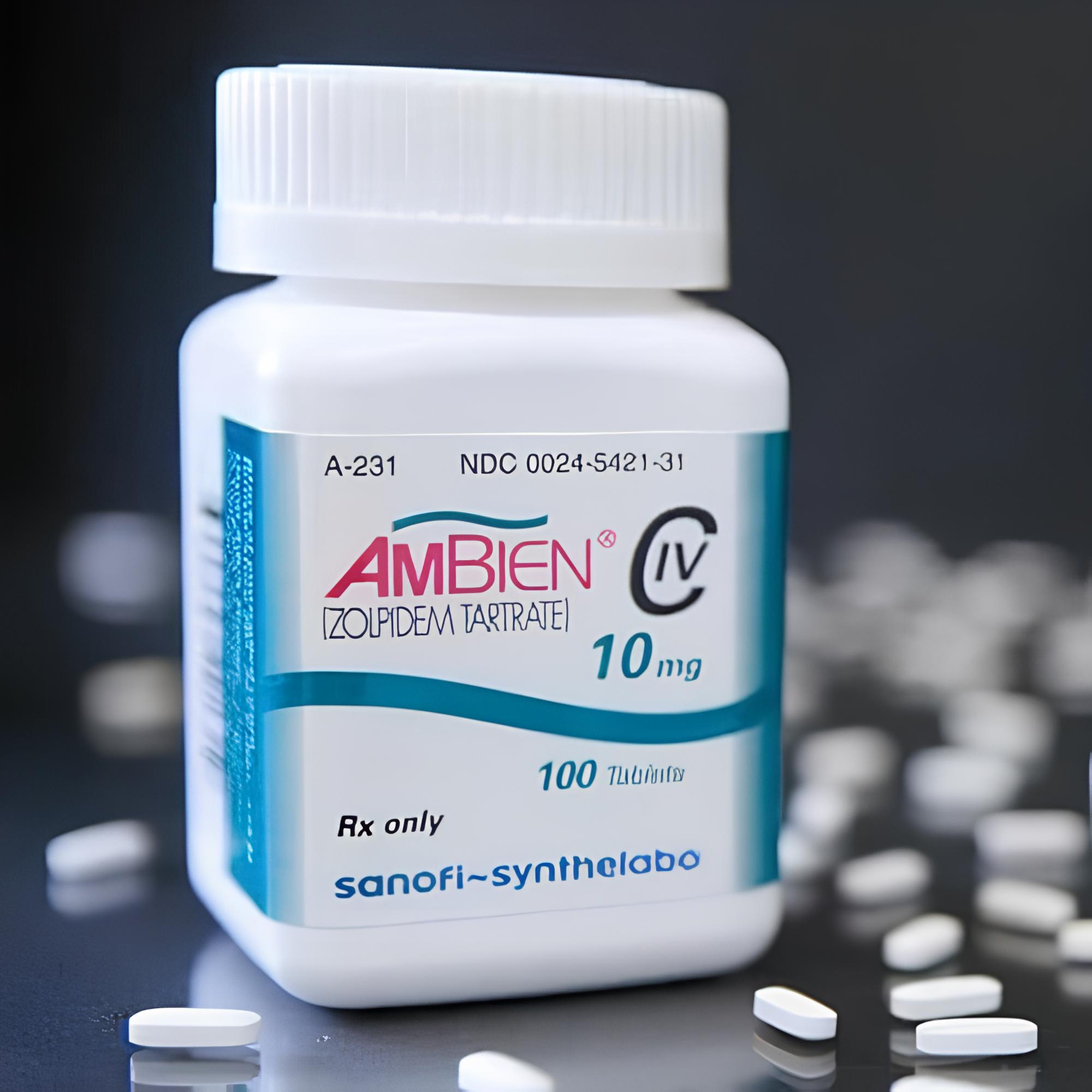
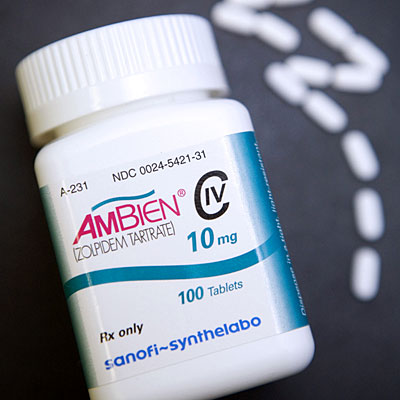
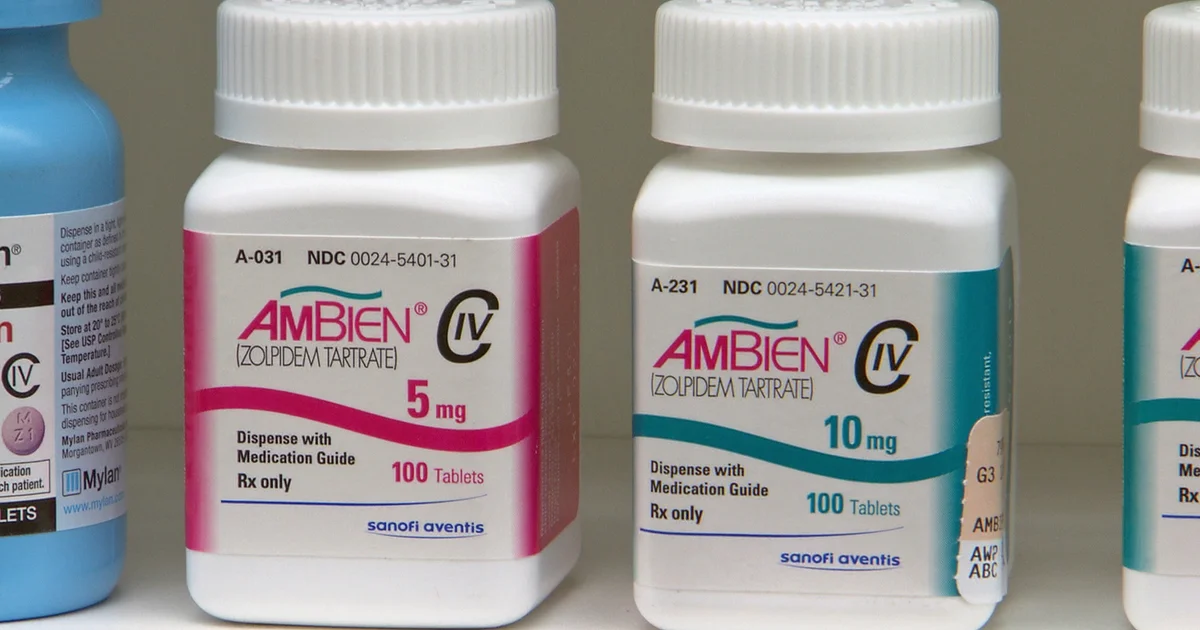
Ambien is the brand name for Zolpidem Tartrate, a non‑benzodiazepine sedative‑hypnotic that is FDA-approved for the short‑term treatment of insomnia. It works by enhancing GABA activity in the brain, helping you fall asleep faster and stay asleep longer.
Ambien has a relatively short half‑life of about 2.5 to 3 hours, which minimizes next‑day drowsiness for most people. It is usually taken once daily, just before bedtime, and is approved for short‑term use (up to 4 weeks).
Ambien is available in immediate‑release (IR) and extended‑release (ER) formulations. The IR version helps you fall asleep within 15–30 minutes, while the ER version provides a dual‑layer release that helps you stay asleep longer.
Prescription required. Available only through licensed healthcare providers in the USA.
3. How Does Ambien Work?
Ambien works by enhancing the effect of the neurotransmitter GABA (gamma-aminobutyric acid) in the brain. GABA inhibits nerve transmission in the brain, producing a calming effect that helps you fall asleep. Unlike benzodiazepines, Ambien has a more selective binding profile, which results in fewer side effects and a lower risk of dependency when used as prescribed.
Because of its rapid onset and short half‑life, Ambien is particularly effective for individuals who have difficulty falling asleep due to stress, anxiety, or shift‑work sleep disorders.
Key Mechanism of Action
- GABA Enhancement: Amplifies inhibitory signals in the brain, reducing neural activity.
- Fast Onset: Begins working within 15–30 minutes, making it ideal for sleep‑onset insomnia.
- Duration: Effects last approximately 6–8 hours, helping maintain uninterrupted sleep.
- Half-Life: Average elimination half-life is 2.5–3 hours, minimizing next‑day drowsiness.
4. Key Information About Ambien 10mg
| Drug Class | Sedative‑Hypnotic (Non‑Benzodiazepine) |
|---|---|
| Primary Indication | Short‑term management of insomnia |
| Active Ingredient | Zolpidem Tartrate |
| Onset of Action | 15–30 Minutes (Fast‑Acting) |
| Duration of Effect | 6–8 Hours |
| Half-Life | 2.5–3 Hours (Average) |
| Common Strengths | 5mg, 10mg |
| Prescription Required | Yes – available only through licensed healthcare providers |
5. Benefits & Common Uses
Ambien is primarily prescribed for the following conditions:
Sleep‑Onset Insomnia
Ambien is highly effective in helping you fall asleep quickly. Its rapid onset (15–30 minutes) makes it ideal for individuals who lie awake for hours before falling asleep.
Sleep‑Maintenance Insomnia (Extended‑Release)
The extended‑release version (Ambien CR) provides a dual‑layer release that helps you fall asleep quickly and stay asleep through the night, reducing the number of nighttime awakenings.
Stress‑Related Sleep Problems
Ambien can help calm an overactive mind caused by daily stress, anxiety, or emotional upset, allowing you to relax and fall asleep naturally.
6. Side Effects & Warnings
Like all medications, Ambien can cause side effects. While many people experience no side effects, some may experience mild to moderate symptoms.
Common Side Effects
- Daytime Drowsiness: Mild sleepiness the next morning, especially with higher doses.
- Dizziness: Lightheadedness or unsteadiness upon waking.
- Headache: Tension‑type headaches during the initial adjustment period.
- Nausea: Mild gastrointestinal discomfort in some users.
- Dry Mouth: Temporary oral dryness after taking the medication.
Serious Side Effects (Seek Immediate Medical Help)
- Complex Sleep Behaviors: Sleepwalking, sleep‑eating, sleep‑driving, or engaging in other activities while not fully awake.
- Memory Loss: Short‑term amnesia or difficulty recalling events from the night before.
- Allergic Reactions: Rash, itching, swelling, severe dizziness, or trouble breathing.
- Depression or Mood Changes: New‑onset or worsening depression, anxiety, or suicidal thoughts.
Who Should Not Take Ambien?
- Patients with a history of allergic reactions to Zolpidem or any of its inactive ingredients.
- Patients with severe liver or kidney impairment without proper dose adjustment.
- Patients with sleep apnea, respiratory depression, or myasthenia gravis.
- Patients who are pregnant, planning to become pregnant, or breastfeeding (consult your doctor first).
7. Drug Interactions
Ambien can interact with other medications and substances, leading to increased side effects or reduced effectiveness. Always inform your doctor about all medications, supplements, and herbal products you are taking.
- CNS Depressants: Alcohol, benzodiazepines, opioids, and other sedatives can increase drowsiness and respiratory depression.
- Antidepressants (SSRIs/SNRIs): May increase the risk of serotonin syndrome when combined with Ambien.
- Antifungal Medications: Drugs like ketoconazole or itraconazole can increase Ambien levels in the blood.
- Rifampin: Decreases the effectiveness of Ambien by speeding up its elimination.
This list is not exhaustive. Always consult your pharmacist or healthcare provider for personalized advice.
8. What Our Customers Say
Real experiences from individuals who have used Ambien for better sleep.
"Finally sleeping through the night! Ambien has been a game changer for my insomnia. I wake up feeling refreshed and alert."
"I was skeptical at first, but this really works. Falls asleep within 20 minutes and stays asleep all night. Highly recommend."
"A lifesaver for my shift work sleep disorder. I can finally sleep during the day without waking up multiple times."
"No more lying awake for hours. Ambien helps me relax and fall asleep naturally. The discreet shipping was a plus."
"After trying many sleep aids, this is the only one that works consistently. Great quality and fast delivery."
"Excellent service and authentic medication. The packaging was secure and discreet. I'm already ordering my second batch."
9. Frequently Asked Questions
What is Ambien 10mg primarily prescribed for?
Ambien 10mg is primarily prescribed for the short-term treatment of insomnia. It works effectively in cases where the patients face issues in falling asleep or waking up frequently during their sleep time.
How quickly does Ambien 10mg work?
Ambien is one of those sleeping pills that works very fast. Most of the people who take it get sleepy in 15-30 minutes. That's why you should take the pill when you are about to go to bed.
Is Ambien suitable for long-term use?
It is not advisable to use Ambien 10mg for long periods. Doctors usually recommend it only for a few days or weeks. Using the drug over a long period of time may cause you to develop tolerance and dependence, or the medication may become less effective. Be sure to strictly follow your doctor's advice.
What are the possible side effects of Ambien 10mg?
Common side effects could be feeling drowsy, getting dizzy, and a headache, as well as experiencing daytime sleepiness and mild confusion. Unusual sleep behaviors like sleepwalking might happen in very rare cases. If the side effects seem serious or keep coming, talk with your doctor.
Can Ambien help with anxiety-related sleep problems?
Ambien can help to some extent if the insomnia is due to constant stress, anxiety, or emotional upset, but because it is not an anti-anxiety drug, one should not abuse it for such a purpose. Make sure that the use of the drug is prescribed by a healthcare professional only.
How long should I take Ambien 10mg?
Ambien is typically prescribed for short-term use — usually 1 to 2 weeks, or up to 4 weeks in some cases. Longer use requires careful medical supervision to monitor for tolerance, dependence, and withdrawal symptoms.
📚 Need More Information?
Explore our comprehensive guides on sleep health and medication safety.
Browse All Guides →