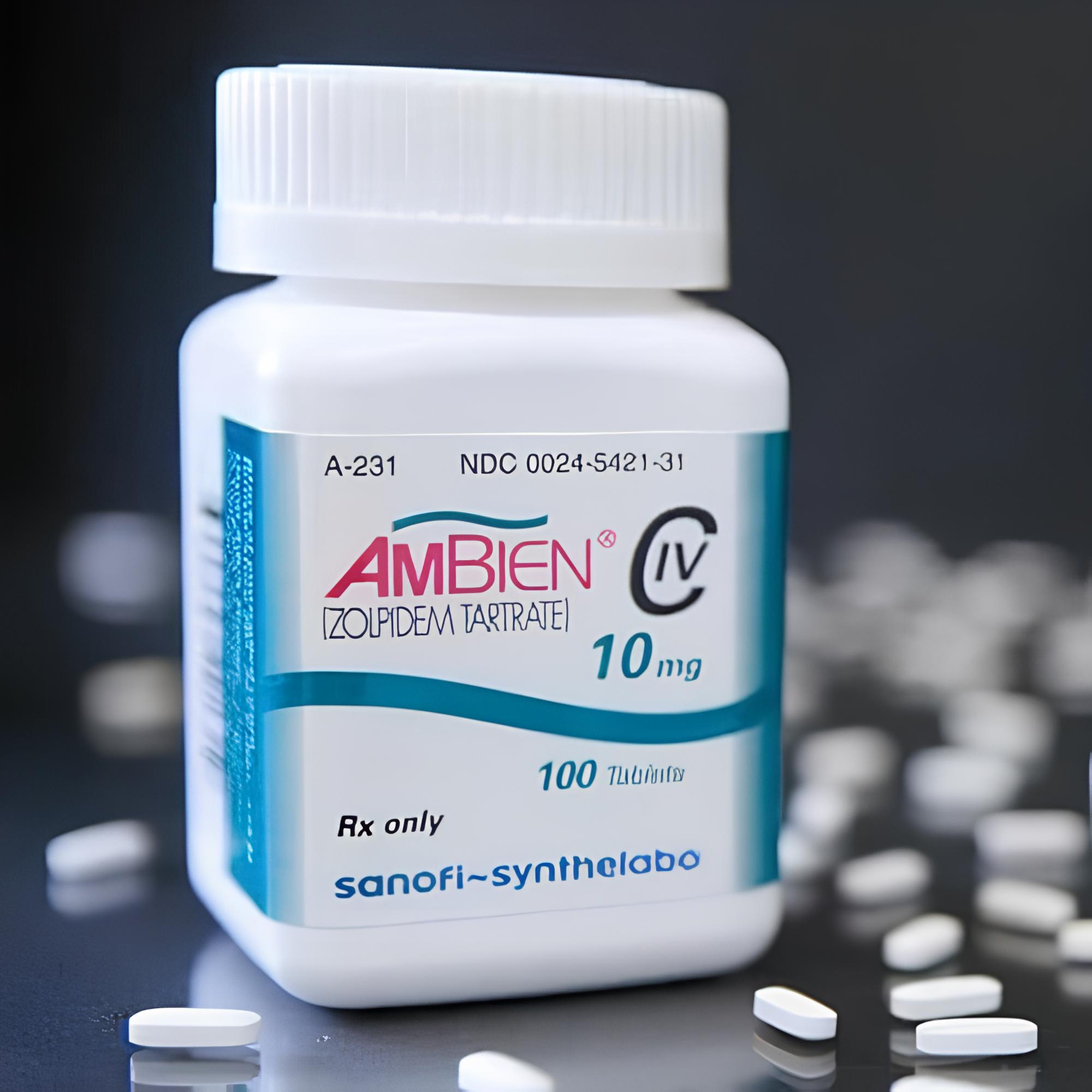
⚠️ Important Medical Disclaimer: This content is for educational and informational purposes only. It is not a substitute for professional medical advice, diagnosis, or treatment. Always consult your physician or a qualified healthcare provider before starting, changing, or discontinuing any medication. Ambien 10mg is a prescription-only medication in the United States and requires a valid prescription from a licensed healthcare provider. ↓ See references
Ambien 10mg (Zolpidem): Uses, Dosage, Side Effects & Safety for Insomnia Relief
Evidence-based guide for patients and caregivers — FDA-approved uses, dosing guidelines, safety warnings, and clinical insights for US patients
Medically reviewed by U.S. Licensed Pharmacists | Last updated: July 2026
FDA-approved indication
Evidence-based
Reviewed by U.S. Clinicians
For US Patients
Table of Contents
What Is Ambien 10mg? Understanding Its Role in Insomnia Treatment
Ambien 10mg (Zolpidem Tartrate) is a non‑benzodiazepine sedative‑hypnotic medication approved by the U.S. Food and Drug Administration (FDA) for the short‑term management of insomnia characterized by difficulty with sleep onset.[1] It is one of the most widely prescribed sleep medications in the United States, known for its rapid onset and reliable sleep‑inducing effects.
Ambien works by enhancing the activity of GABA (gamma‑aminobutyric acid) at the GABA-A receptor, the brain's primary inhibitory neurotransmitter. This produces a calming effect on the central nervous system, reducing neuronal activity and facilitating the transition to sleep.[2]
Key Mechanism of Action
- GABA-A Receptor Enhancement: Amplifies inhibitory signals in the brain, reducing neural activity and promoting sleep onset.
- Fast Onset: Begins working within 15–30 minutes of oral administration, ideal for sleep‑onset insomnia.
- Duration: Therapeutic effects last approximately 6–8 hours, helping maintain sleep continuity.
- Half-Life: Average elimination half-life is 2.5–3 hours, minimizing next‑day sedation when used as directed.
- Selectivity: Ambien has a higher affinity for the α1 subunit of the GABA-A receptor, contributing to its sedative rather than anxiolytic or myorelaxant effects.
Clinical Uses & Benefits of Ambien 10mg for US Patients
Ambien 10mg is indicated for the short-term management of insomnia based on FDA approval and clinical guidelines:[1][3]
- ✅ Rapid Sleep Onset: Reduces sleep latency to 15–30 minutes, making it highly effective for patients who struggle to fall asleep.
- ✅ Improved Sleep Maintenance: When used in extended-release formulations, helps reduce nighttime awakenings.
- ✅ Restorative Sleep: Promotes deeper, more continuous sleep, leading to improved daytime functioning.
- ✅ Minimal Residual Sedation: Short half-life (2.5–3 hours) minimizes next-day drowsiness when taken at the recommended dose.
- ✅ Effective for Stress-Related Insomnia: Helps calm an overactive mind caused by daily stress, anxiety, or situational factors.
- ✅ Well-Studied: Decades of clinical use with extensive real-world evidence and published research across US healthcare.
Note: Results vary per individual. Ambien should be used as part of a comprehensive sleep management plan under medical supervision.
Ambien 10mg: Key Information & Specifications
| Drug Class | Sedative‑Hypnotic (Non‑Benzodiazepine, Imidazopyridine Derivative) |
|---|---|
| FDA-Approved Indication | Short‑term management of insomnia (sleep onset) |
| Active Ingredient | Zolpidem Tartrate |
| Onset of Action | 15–30 Minutes (Oral Administration) |
| Duration of Effect | 6–8 Hours |
| Elimination Half-Life | 2.5–3 Hours (Average ~2.5 hours) |
| Available Strengths | 5mg, 10mg (Immediate-Release); 6.25mg, 12.5mg (Extended-Release) |
| Prescription Status | Schedule IV Controlled Substance — Prescription required in the USA |
| Common Brand Names | Ambien (U.S.), Zolpidem (generic) |
Source: FDA Label for Ambien (Zolpidem Tartrate) — see references.
Common and Serious Side Effects of Ambien 10mg
While Ambien is generally well‑tolerated when used as prescribed, some individuals may experience side effects. Most are dose‑related and may diminish with continued therapy. Contact your healthcare provider immediately if you experience severe or persistent side effects.
Common Side Effects (Affecting >5% of US Users)
- Daytime Drowsiness/Sedation: Residual sleepiness the following morning, particularly with higher doses or in elderly patients.
- Dizziness: Lightheadedness or orthostatic hypotension upon waking.
- Headache: Tension‑type headaches during the initial adjustment period.
- Nausea: Mild gastrointestinal discomfort in some users.
- Dry Mouth: Temporary xerostomia after taking the medication.
- Impaired Coordination: Ataxia or clumsiness, especially upon waking during the night.
Serious Side Effects (Seek Immediate Medical Help)
- Complex Sleep Behaviors: Sleepwalking, sleep‑eating, sleep‑driving, or engaging in other activities while not fully awake (reported with Zolpidem).
- Anterograde Amnesia: Short‑term memory impairment or difficulty recalling events from the night before.
- Allergic Reactions: Rash, urticaria, swelling of the face/tongue/throat, severe dizziness, or trouble breathing (anaphylaxis).
- Depression or Mood Changes: New‑onset or worsening depression, anxiety, or suicidal ideation.
- Dependence and Withdrawal: Tolerance, physical dependence, and withdrawal symptoms (rebound insomnia, anxiety, tremors) with prolonged use.
Important: This is not a complete list of side effects. For a full list, refer to the FDA prescribing information or consult your pharmacist or healthcare provider. View FDA Label on DailyMed →
Important Warnings & Drug Interactions for Ambien 10mg
Contraindications — Do not take Ambien if you:
- Have a history of hypersensitivity to Zolpidem Tartrate or any inactive ingredients in the formulation.
- Have severe hepatic insufficiency (dose adjustment required for mild-to-moderate impairment).
- Have sleep apnea, severe respiratory insufficiency, or myasthenia gravis.
- Are pregnant, planning to become pregnant, or breastfeeding (consult your obstetrician immediately).
Serious Drug Interactions
- Other CNS Depressants: Alcohol, benzodiazepines, opioids, barbiturates, and other sedative‑hypnotics significantly increase the risk of severe sedation, respiratory depression, and overdose.
- Antidepressants (SSRIs/SNRIs): May increase the risk of serotonin syndrome when combined with Zolpidem.
- Antifungal Medications (Ketoconazole, Itraconazole): Can significantly increase plasma levels of Zolpidem, requiring dose reduction.
- Rifampin: Decreases the effectiveness of Ambien by accelerating its metabolism and elimination.
- Opioid Analgesics: Concurrent use is strongly discouraged; if unavoidable, use the lowest effective doses and monitor for respiratory depression closely.
Safety Precautions for US Patients
- Risk of Dependence: Ambien is a Schedule IV controlled substance. Prolonged use leads to tolerance, physical dependence, and addiction potential.
- Withdrawal: Abrupt discontinuation can cause severe withdrawal symptoms including rebound insomnia, anxiety, tremors, and seizures. Always taper under medical supervision.
- Driving and Machinery: Ambien significantly impairs psychomotor function. Do not drive or operate heavy machinery for at least 8 hours after taking the medication.
- Pregnancy and Breastfeeding: Zolpidem is not recommended during pregnancy (Category C). It is excreted in breast milk and should be avoided during breastfeeding.
- Geriatric Patients: Elderly patients are more susceptible to sedation, ataxia, and cognitive impairment. Starting doses should be reduced (5mg) and titrated slowly.
- Hepatic Impairment: Patients with liver disease require dose adjustment (5mg) due to reduced clearance.
Frequently Asked Questions About Ambien 10mg
Is Ambien 10mg safe for treating insomnia?
Yes, when used as prescribed by a licensed healthcare provider. Ambien 10mg is FDA-approved for the short-term management of insomnia. However, it carries risks of tolerance, dependence, and withdrawal, so it should only be taken under medical supervision. Always follow your physician's specific dosing instructions.
What is Ambien 10mg primarily prescribed for?
Ambien 10mg (Zolpidem Tartrate) is FDA-approved for the short-term treatment of insomnia characterized by difficulty with sleep onset. It is indicated for patients who have trouble falling asleep and may also help with sleep maintenance when used in extended-release formulations.
How quickly does Ambien 10mg work?
Ambien is a rapid-onset sedative-hypnotic. Most patients experience sleep onset within 15 to 30 minutes of oral administration. It should be taken immediately before bedtime, as it can cause rapid sedation and impair the ability to perform tasks requiring alertness.
Is Ambien suitable for long-term use?
No. Ambien is indicated for short-term use, typically 1 to 2 weeks, with some cases extending up to 4 weeks. Prolonged use increases the risk of tolerance, physical dependence, and withdrawal symptoms including rebound insomnia. Long-term therapy should only be considered under strict medical supervision.
What are the possible side effects of Ambien 10mg?
Common side effects include daytime drowsiness, sedation, dizziness, headache, nausea, dry mouth, and impaired coordination. Serious but rare side effects include complex sleep behaviors (sleepwalking, sleep-driving), memory impairment, and allergic reactions. Patients experiencing severe or persistent side effects should contact their healthcare provider immediately.
How long should I take Ambien 10mg?
Ambien is typically prescribed for short-term use — usually 1 to 2 weeks, or up to 4 weeks in some cases under close medical supervision. Extended use requires careful monitoring for tolerance, dependence, and withdrawal symptoms. Always follow your physician's prescribed duration and do not exceed the recommended period without medical consultation.
What is the recommended starting dose of Ambien?
For adult patients, the recommended starting dose is 5mg for women and 5mg–10mg for men, taken immediately before bedtime. The 10mg dose is typically used in patients who do not respond adequately to the 5mg dose. Elderly patients, those with hepatic impairment, and patients taking interacting medications should start at 5mg. Always follow your physician's specific dosing instructions.
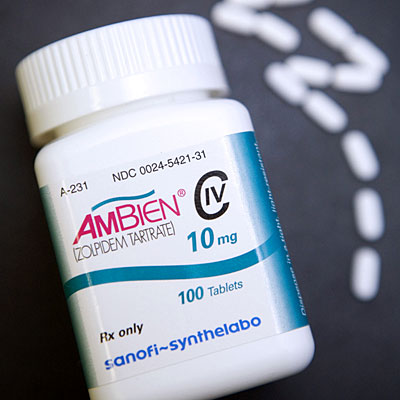
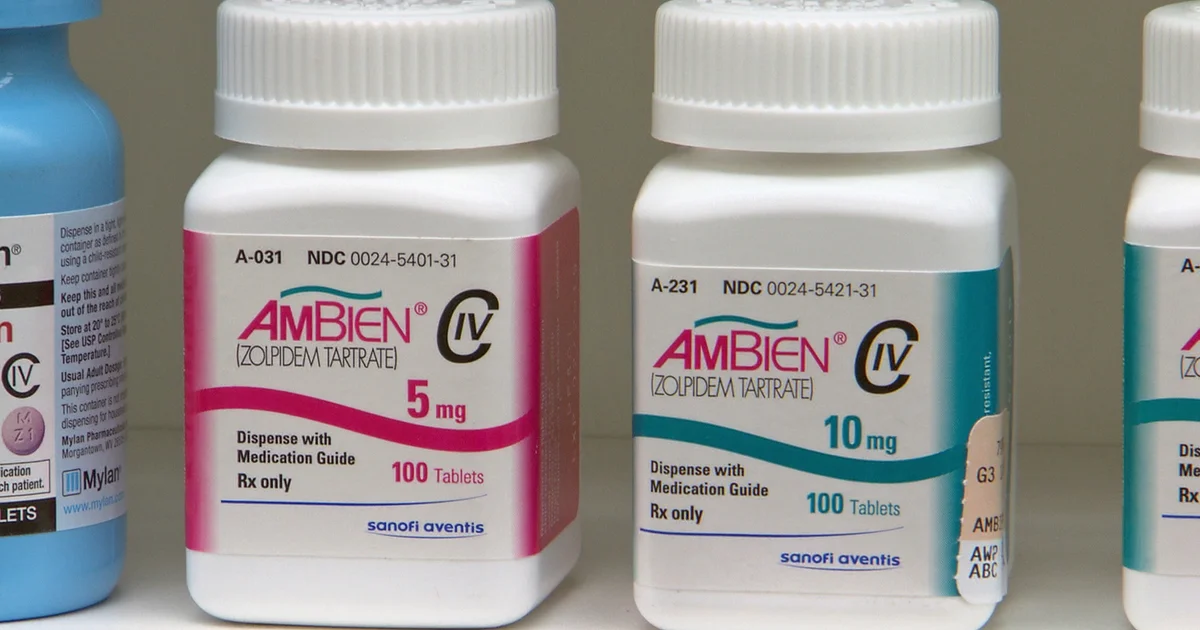
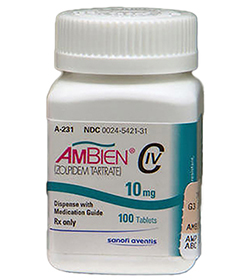
Visual Reference — Ambien 10mg Tablets
Images are for illustrative purposes only. This medication is available by prescription only.
📋 About This Medication
Ambien 10mg (Zolpidem Tartrate) is a non‑benzodiazepine sedative‑hypnotic used for the short‑term management of insomnia. It works by enhancing GABA activity in the brain to promote rapid sleep onset.
- Prescription required — Schedule IV controlled substance
- Common strengths: 5mg, 10mg (immediate-release); 6.25mg, 12.5mg (extended-release)
- Available through: Licensed pharmacies only
This information is for educational purposes only. Always consult your healthcare provider.
📞 Check Availability →References & Authoritative Sources
This guide is based on evidence from the following authoritative sources. All information is reviewed and updated regularly to reflect the latest clinical guidelines and FDA recommendations.
[1] U.S. Food and Drug Administration — DailyMed: Zolpidem (Ambien) Label Information. NIH National Library of Medicine.
[2] National Institutes of Health — MedlinePlus. Zolpidem: MedlinePlus Drug Information. NIH. Updated 2026.
[3] American Academy of Sleep Medicine. Clinical Practice Guideline for the Pharmacologic Treatment of Chronic Insomnia in Adults. J Clin Sleep Med. 2017;13(2):307-349.
[4] National Institute of Neurological Disorders and Stroke. Sleep Disorders — NINDS. NIH.
[5] U.S. Drug Enforcement Administration. Controlled Substance Schedules — Schedule IV. DEA.
[6] National Center for Biotechnology Information. Zolpidem — StatPearls. NCBI.
Last reviewed and updated: July 14, 2026. This page is intended for educational purposes and should not replace professional medical advice.
Ambien 10mg
Zolpidem | Schedule IV