Xanax Bar 2mg: Uses, Dosage, Side Effects & Safety
An in-depth evidence-based guide to Xanax Bar 2mg (Alprazolam) — exploring its therapeutic applications for severe anxiety and panic disorder, along with proper dosing, potential side effects, and critical safety precautions for U.S. patients.
Table of Contents
1. Understanding Xanax Bar 2mg: A Comprehensive Overview
Xanax Bar 2mg (Alprazolam) is a high‑potency, short‑acting benzodiazepine approved by the U.S. Food and Drug Administration (FDA) for the treatment of panic disorder (with or without agoraphobia) and generalized anxiety disorder (GAD).[1]
The 2mg strength is a high‑dose formulation typically reserved for patients with severe symptoms who have been carefully titrated to this dose. The tablet is scored and can be divided into four 0.5mg segments for flexible dosing.
Xanax Bar has a short half-life of about 6 to 12 hours, which means it works quickly (within 15–30 minutes) and provides rapid relief from acute symptoms. It is one of the most widely prescribed benzodiazepines for acute anxiety and panic attacks in the United States.
Key Facts About Xanax Bar
- Drug Class: Benzodiazepine (Short-Acting, High Potency)
- FDA-Approved Indications: Panic Disorder, Generalized Anxiety Disorder
- Half-Life: 6–12 hours
- Onset of Action: 15–30 minutes
- Duration of Effect: 4–6 hours
- Schedule: Schedule IV Controlled Substance
2. Mechanism of Action: How Xanax Bar Works in the Body
Xanax Bar exerts its therapeutic effects by enhancing the activity of gamma-aminobutyric acid (GABA), the primary inhibitory neurotransmitter in the central nervous system. By binding to the GABA-A receptor complex, Alprazolam increases the affinity of GABA for its receptor, amplifying inhibitory signals and reducing neural excitability.[2]
Pharmacological Properties
- GABA-A Receptor Modulation: Increases the affinity of GABA for its receptor, producing rapid anxiolytic and sedative effects.
- Fast Onset: Therapeutic effects typically manifest within 15 to 30 minutes of oral administration.
- Short Duration: The short half-life (6–12 hours) makes it suitable for acute symptom control.
- High Potency: Milligram for milligram, Alprazolam is one of the most potent benzodiazepines available.
3. Clinical Applications: What Conditions Does Xanax Bar Treat?
Xanax Bar is FDA-approved for the following conditions and is occasionally used off-label for other indications under medical supervision:
Panic Disorder
Xanax Bar is highly effective in stopping panic attacks and reducing their frequency and intensity. Its rapid onset of action makes it particularly useful for patients who experience sudden, unpredictable panic episodes.
Generalized Anxiety Disorder (GAD)
Xanax Bar is used for the short-term management of severe generalized anxiety disorder, providing rapid relief from debilitating anxiety symptoms.
Severe Anxiety with Depression
Xanax Bar is sometimes prescribed for patients who experience severe anxiety symptoms alongside depression, helping to stabilize mood and reduce nervous tension.
4. Dosage Guidelines for Xanax Bar 2mg
Proper dosing is essential for achieving optimal therapeutic outcomes while minimizing the risk of adverse effects. Always follow your healthcare provider's specific dosing instructions.
| Condition | Typical Starting Dose | Maintenance Dose |
|---|---|---|
| Panic Disorder | 0.5mg three times daily | 1–2mg daily (divided doses) |
| Generalized Anxiety (GAD) | 0.25mg three times daily | 0.5–1mg daily (divided doses) |
Important Dosing Considerations
- Elderly Patients: Starting doses should be reduced (0.25mg twice daily) to minimize the risk of sedation and falls.
- Hepatic Impairment: Patients with liver disease may require lower doses due to reduced drug clearance.
- Renal Impairment: Dose adjustments may be necessary for patients with significant kidney dysfunction.
- Discontinuation: Xanax Bar should be tapered gradually under medical supervision to avoid withdrawal symptoms, including rebound anxiety and seizures.
5. Potential Adverse Effects of Xanax Bar
While Xanax Bar is generally well-tolerated when used as prescribed, side effects can occur. Most are dose-dependent and may resolve with continued therapy or dose adjustment. Contact your healthcare provider immediately if you experience severe or persistent side effects.
Common Side Effects
- Drowsiness and Sedation: The most frequently reported side effect, particularly during the initial titration phase.
- Dizziness and Lightheadedness: May occur upon standing (orthostatic hypotension).
- Fatigue and Weakness: Temporary tiredness that often diminishes with continued use.
- Ataxia (Coordination Problems): Unsteady gait or clumsiness, especially at higher doses.
- Impaired Concentration: Reduced cognitive performance, including difficulty focusing or remembering.
Serious Adverse Effects (Seek Immediate Medical Attention)
- Respiratory Depression: Slowed or labored breathing, particularly dangerous in elderly patients or when combined with other CNS depressants.
- Severe Sedation: Profound drowsiness that interferes with daily activities.
- Memory Impairment: Significant anterograde amnesia, especially at higher doses.
- Allergic Reactions: Rash, urticaria, angioedema, or anaphylaxis (rare).
- Paradoxical Reactions: Increased anxiety, agitation, hostility, or aggression (rare but serious).
- Dependence and Withdrawal: Physical and psychological dependence with prolonged use; withdrawal can be severe and include rebound anxiety, seizures, and insomnia.
6. Drug Interactions: What to Avoid with Xanax Bar
Xanax Bar can interact with various medications and substances, potentially leading to increased side effects or reduced efficacy. Always inform your healthcare provider about all medications, supplements, and herbal products you are taking.
Significant Drug Interactions
- Central Nervous System Depressants: Alcohol, opioids, other benzodiazepines, barbiturates, and sedatives can potentiate sedation and respiratory depression, significantly increasing the risk of overdose and death.
- Antidepressants (SSRIs/SNRIs): May increase the risk of serotonin syndrome, particularly when combined with other serotonergic agents.
- Antihistamines: Can enhance sedative effects and cause excessive drowsiness.
- CYP3A4 Inhibitors (e.g., Ketoconazole, Erythromycin, Grapefruit Juice): Can increase plasma concentrations of Alprazolam, requiring dose adjustment.
- Opioid Analgesics: Combined use significantly increases the risk of severe respiratory depression, coma, and death. Concomitant use should be avoided.
7. Visual Reference — Xanax Bar 2mg Tablets
Images are for illustrative and identification purposes only. This medication is available by prescription only from licensed healthcare providers.


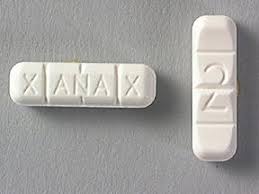

About This Medication: Xanax Bar 2mg (Alprazolam) is a high-potency, short-acting benzodiazepine used for the treatment of panic disorder and generalized anxiety disorder. It is available in 0.25mg, 0.5mg, 1mg, and 2mg strengths. Prescription required — Schedule IV controlled substance.
8. Frequently Asked Questions
9. References & Authoritative Sources
This guide is based on evidence from the following authoritative sources. All information is reviewed and updated regularly to reflect the latest clinical guidelines and FDA recommendations.
[1] U.S. Food and Drug Administration — Drugs@FDA. Xanax (Alprazolam) — FDA Prescribing Information. FDA Website. Accessed July 2026.
[2] National Institutes of Health — MedlinePlus. Alprazolam: MedlinePlus Drug Information. NIH. Updated 2026.
[3] American Psychiatric Association. Diagnostic and Statistical Manual of Mental Disorders, Fifth Edition, Text Revision (DSM-5-TR). 2022.
[4] National Institute of Mental Health. Anxiety Disorders — NIMH. NIH. Updated 2026.
[5] U.S. Drug Enforcement Administration. Controlled Substance Schedules — Schedule IV. DEA.
Last reviewed and updated: July 14, 2026. This page is intended for educational purposes and should not replace professional medical advice.