⚠️ Medical Disclaimer: This article is for educational and informational purposes only. It is not a substitute for professional medical advice, diagnosis, or treatment. Always consult your physician or a qualified healthcare provider before starting any medication.
Tramadol 100mg: Uses, Dosage, Side Effects & Safety
A comprehensive guide to Tramadol 100mg – understanding its uses for chronic pain, neuropathic pain, proper dosage, potential side effects, and important safety information.
Table of Contents
1. Introduction
Chronic pain affects millions of adults in the United States each year, significantly impacting quality of life. For many, medications like Tramadol 100mg are essential tools for managing moderate to severe pain conditions.
Tramadol is a centrally acting analgesic with a unique dual mechanism of action. It is FDA-approved for the management of moderate to moderately severe chronic pain and is particularly effective for neuropathic pain, musculoskeletal pain, and post-surgical pain.
This guide provides a comprehensive overview of Tramadol 100mg, including its uses, mechanism of action, recommended dosage, potential side effects, and important precautions. Whether you are a patient seeking information or a caregiver looking to understand this medication better, this guide will help you make informed decisions about your health.
Important: Tramadol is a prescription medication and should only be taken under the guidance of a licensed healthcare provider. It is not intended for long-term use without proper medical supervision due to the risk of dependence and tolerance.
2. What is Tramadol 100mg?


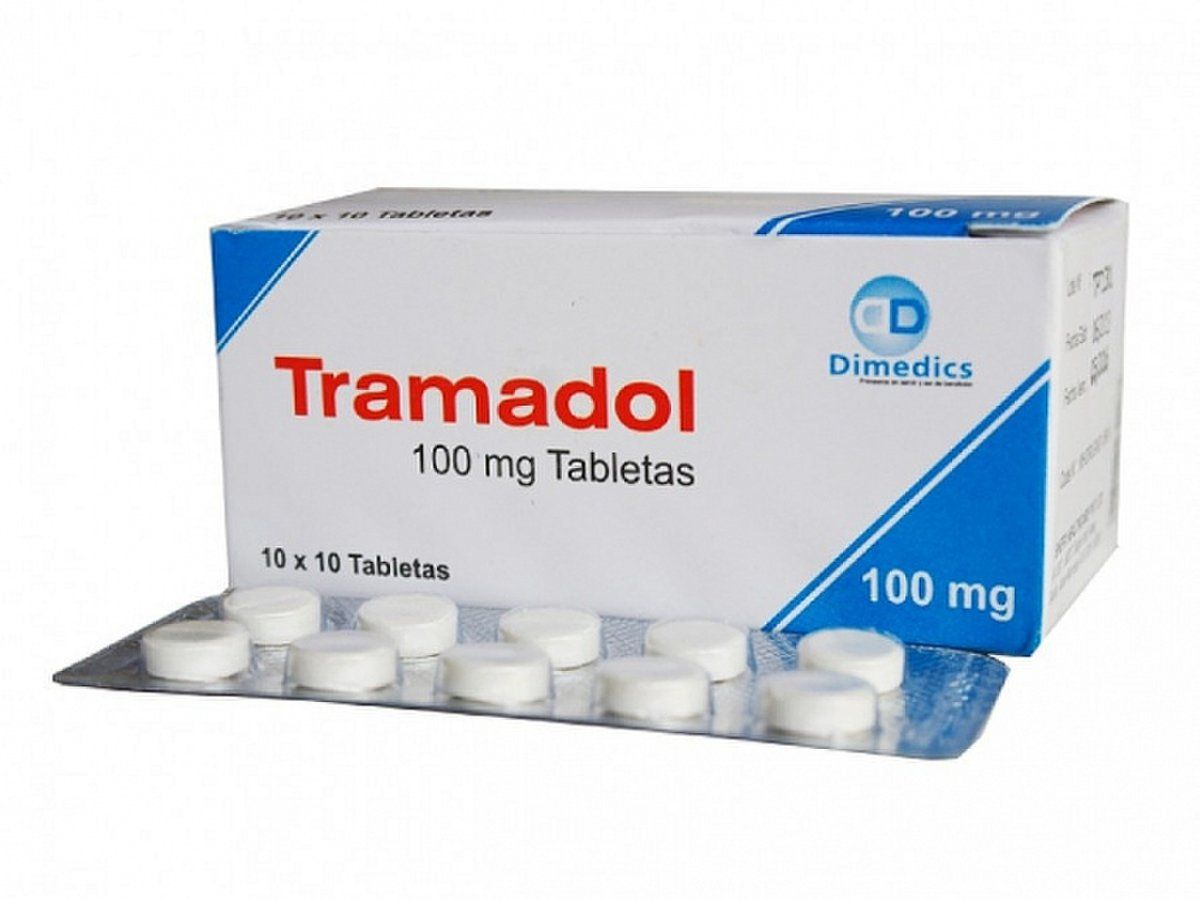
🔹 Trusted by thousands for effective nerve & chronic pain relief
Tramadol is a centrally acting analgesic that is FDA-approved for the management of moderate to moderately severe chronic pain. It has a unique dual mechanism of action – it binds to μ‑opioid receptors and also inhibits the reuptake of serotonin and norepinephrine, two neurotransmitters that play a key role in pain modulation.
Tramadol has a half-life of about 6 to 8 hours, which allows for consistent pain control throughout the day. It is available in immediate-release (IR) and extended-release (ER) formulations.
Tramadol is available in tablet form in strengths of 50mg, 100mg, 150mg (ER), and 200mg (ER). The 100mg strength is commonly prescribed for moderate to severe pain conditions.
Prescription required. Available only through licensed healthcare providers in the USA.
3. How Does Tramadol Work?
Tramadol works through a unique dual mechanism of action:
Opioid Receptor Agonism
Tramadol binds to μ‑opioid receptors in the brain, blocking pain signals and reducing the perception of pain. This is similar to how other opioids work, but with a lower risk of respiratory depression.
SNRI Effect (Serotonin and Norepinephrine Reuptake Inhibition)
In addition to its opioid activity, Tramadol inhibits the reuptake of serotonin and norepinephrine in the brain. This enhances the body's natural pain-inhibiting pathways, making it particularly effective for neuropathic pain conditions.
This combination of mechanisms makes Tramadol effective for a wide range of pain conditions, including nerve pain, chronic back pain, osteoarthritis, and post-surgical discomfort.
Key Mechanism of Action
- Opioid Receptor Agonism: Binds to μ‑opioid receptors, blocking pain signals in the brain.
- SNRI Effect: Inhibits serotonin and norepinephrine reuptake, enhancing the body's natural pain-inhibiting pathways.
- Onset: Immediate-release formulation begins working within 30–60 minutes.
- Duration: Pain relief lasts approximately 4–6 hours.
4. Key Information About Tramadol 100mg
| Drug Class | Centrally Acting Analgesic (Opioid-like, Dual Mechanism) |
|---|---|
| Primary Indications | Moderate to Severe Chronic Pain, Neuropathic Pain, Musculoskeletal Pain |
| Active Ingredient | Tramadol Hydrochloride |
| Onset of Action | 30–60 Minutes (Immediate-Release) |
| Duration of Effect | 4–6 Hours |
| Half-Life | 6–8 Hours (Average) |
| Common Strengths | 50mg, 100mg, 150mg (ER), 200mg (ER) |
| Prescription Required | Yes – available only through licensed healthcare providers |
5. Benefits & Common Uses
Tramadol is primarily prescribed for the following conditions:
Neuropathic Pain
Tramadol is highly effective for nerve pain conditions, including diabetic neuropathy, post-herpetic neuralgia, and other neuropathic pain syndromes. Its SNRI effect makes it particularly beneficial for this type of pain.
Chronic Back Pain
Tramadol provides reliable pain control for chronic back pain, helping patients regain mobility and improve their quality of life.
Osteoarthritis
For patients with osteoarthritis, Tramadol offers effective pain relief with a lower risk of gastrointestinal side effects compared to NSAIDs.
Post-Surgical Pain
Tramadol is often used for post-surgical pain management, providing effective pain control during the recovery period.
6. Side Effects & Warnings
Like all medications, Tramadol can cause side effects. While many people experience no side effects, some may experience mild to moderate symptoms.
Common Side Effects
- Dizziness: Lightheadedness or unsteadiness upon standing.
- Nausea: Mild gastrointestinal discomfort in some users.
- Sleepiness: Drowsiness, especially during initial treatment.
- Constipation: Slowed bowel movements, a common opioid-related effect.
- Headache: Tension-type headaches during the adjustment period.
Serious Side Effects (Seek Immediate Medical Help)
- Serotonin Syndrome: Agitation, hallucinations, rapid heart rate, fever, muscle stiffness (risk increases with SSRIs/SNRIs).
- Seizures: Increased risk at higher doses or in patients with a seizure disorder.
- Respiratory Depression: Slowed or difficult breathing in susceptible individuals.
- Allergic Reactions: Rash, itching, swelling, severe dizziness, or trouble breathing.
- Dependence/Withdrawal: Risk of physical and psychological dependence with prolonged use.
Who Should Not Take Tramadol?
- Patients with a history of allergic reactions to Tramadol or other opioids.
- Patients with severe liver or kidney impairment without proper dose adjustment.
- Patients with uncontrolled epilepsy or a history of seizures.
- Patients who are pregnant, planning to become pregnant, or breastfeeding (consult your doctor first).
7. Drug Interactions
Tramadol can interact with other medications and substances, leading to increased side effects or reduced effectiveness. Always inform your doctor about all medications, supplements, and herbal products you are taking.
- Antidepressants (SSRIs/SNRIs): Risk of serotonin syndrome (potentially fatal).
- Other CNS Depressants: Alcohol, sedatives, opioids, and benzodiazepines can increase drowsiness and respiratory depression.
- MAO Inhibitors: Can cause dangerous interactions (avoid within 14 days).
- Carbamazepine: May reduce the effectiveness of Tramadol.
This list is not exhaustive. Always consult your pharmacist or healthcare provider for personalized advice.
8. What Our Customers Say
Real experiences from individuals who have used Tramadol for chronic pain relief.
"Tramadol has been a game-changer for my chronic back pain. I can finally get through my workday without constant discomfort."
"I've tried everything for my nerve pain, and Tramadol is the only thing that truly works. Fast shipping and great quality."
"Fast shipping and effective medication. It has significantly improved my quality of life. Highly recommend MedStore!"
"Finally, a painkiller that works without making me feel drowsy all day. I can function normally and live pain-free."
"I was nervous about ordering online, but this is completely legitimate. The packaging was discreet and the product is genuine."
"Excellent customer service and fast delivery. Tramadol helps me get through my workday without pain. Loyal customer now!"
9. Frequently Asked Questions
What is Tramadol 100mg prescribed for?
Tramadol 100mg is typically used to relieve moderate to severe pain such as nerve pain, pain from injury, discomfort after surgery, and chronic pain conditions.
How quickly does Tramadol 100mg work?
Approximately, most people start experiencing the pain-relieving effect of the drug within 60 minutes after taking it. However, the exact time may vary.
Is Tramadol safe for long-term use?
In some cases, chronic pain patients may be administered tramadol if the usage is well monitored by a doctor. There should be strict monitoring of the patient throughout the treatment, as tramadol has the potential of causing dependence or tolerance.
What are the possible side effects of Tramadol 100mg?
Dizziness, nausea, sleepiness, constipation, and headache are typical side effects that may be experienced. In case of any serious adverse effects, make sure to consult your healthcare provider without delay.
Can Tramadol interact with other medications?
As with the case of antidepressants, sedatives, and alcohol, tramadol can interact with other medications. You must inform your doctor about all the medicines and supplements you are taking.
What is the recommended starting dose of Tramadol 100mg?
The typical starting dose for adults is one 100mg tablet every 4 to 6 hours as needed for pain. However, the exact dosage should be determined by your healthcare provider based on your specific condition and medical history.
📚 Need More Information?
Explore our comprehensive guides on pain management and medication safety.
Browse All Guides →