⚠️ Medical Disclaimer: This article is for educational and informational purposes only. It is not a substitute for professional medical advice, diagnosis, or treatment. Always consult your physician or a qualified healthcare provider before starting any medication.
Oxycodone 30mg: Uses, Dosage, Side Effects & Safety
A comprehensive guide to Oxycodone 30mg – understanding its uses for severe chronic pain, cancer pain, proper dosage, potential side effects, and important safety information.
Table of Contents
1. Introduction
Severe chronic pain affects millions of people worldwide, significantly impacting quality of life and daily functioning. For many, medications like Oxycodone 30mg are essential tools for managing severe, persistent pain that does not respond to other pain medications.
Oxycodone is a potent semi‑synthetic opioid analgesic that is FDA-approved for the management of severe, persistent pain that requires around‑the‑clock treatment. It is frequently prescribed for cancer pain, post‑surgical pain, and pain from serious injuries.
This guide provides a comprehensive overview of Oxycodone 30mg, including its uses, mechanism of action, recommended dosage, potential side effects, and important precautions. Whether you are a patient seeking information or a caregiver looking to understand this medication better, this guide will help you make informed decisions about your health.
Important: Oxycodone is a Schedule II controlled substance with a high potential for abuse and dependence. It should only be taken under the strict supervision of a licensed healthcare provider. Misuse can lead to addiction, overdose, and death.
2. What is Oxycodone 30mg?
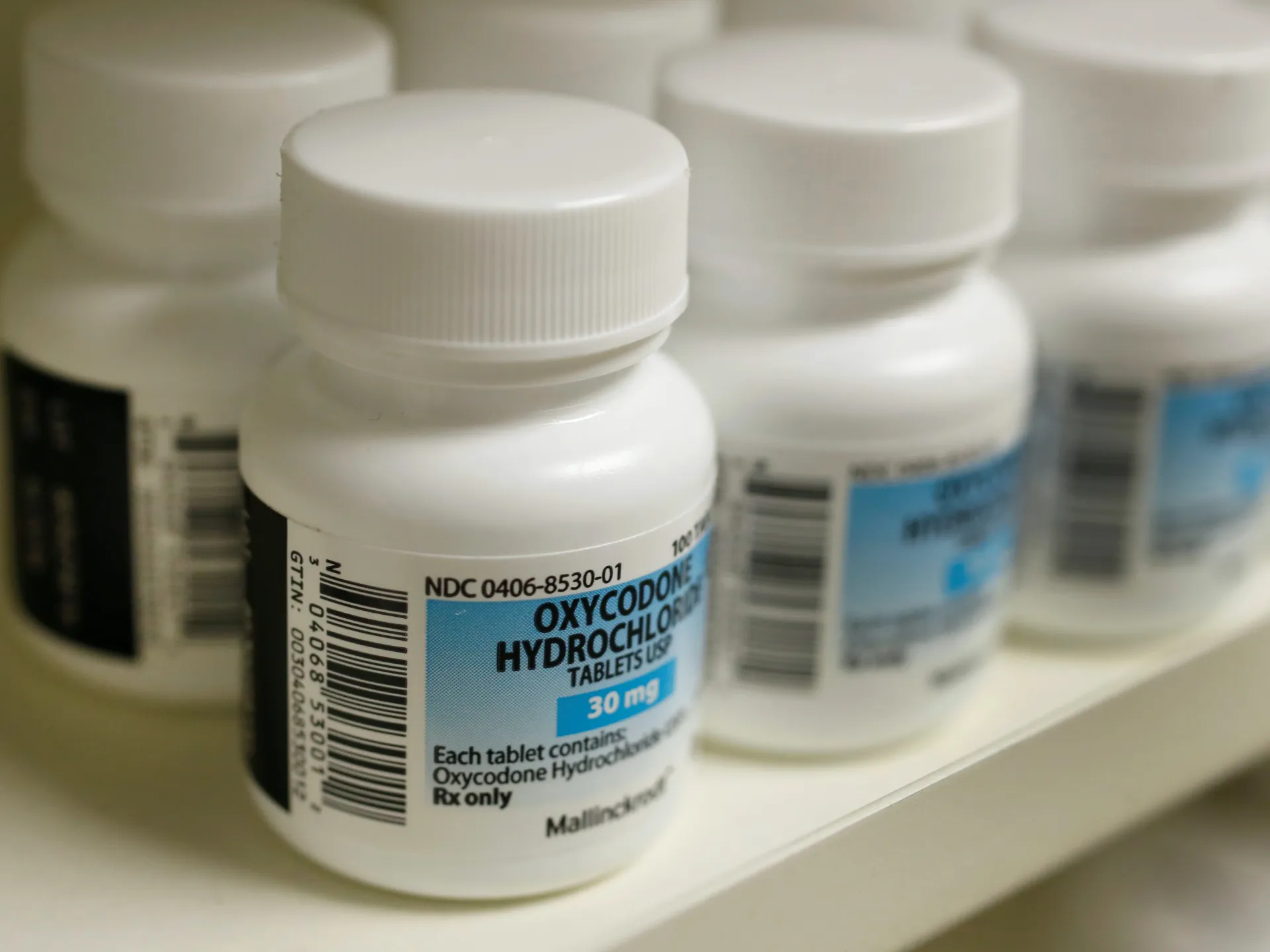
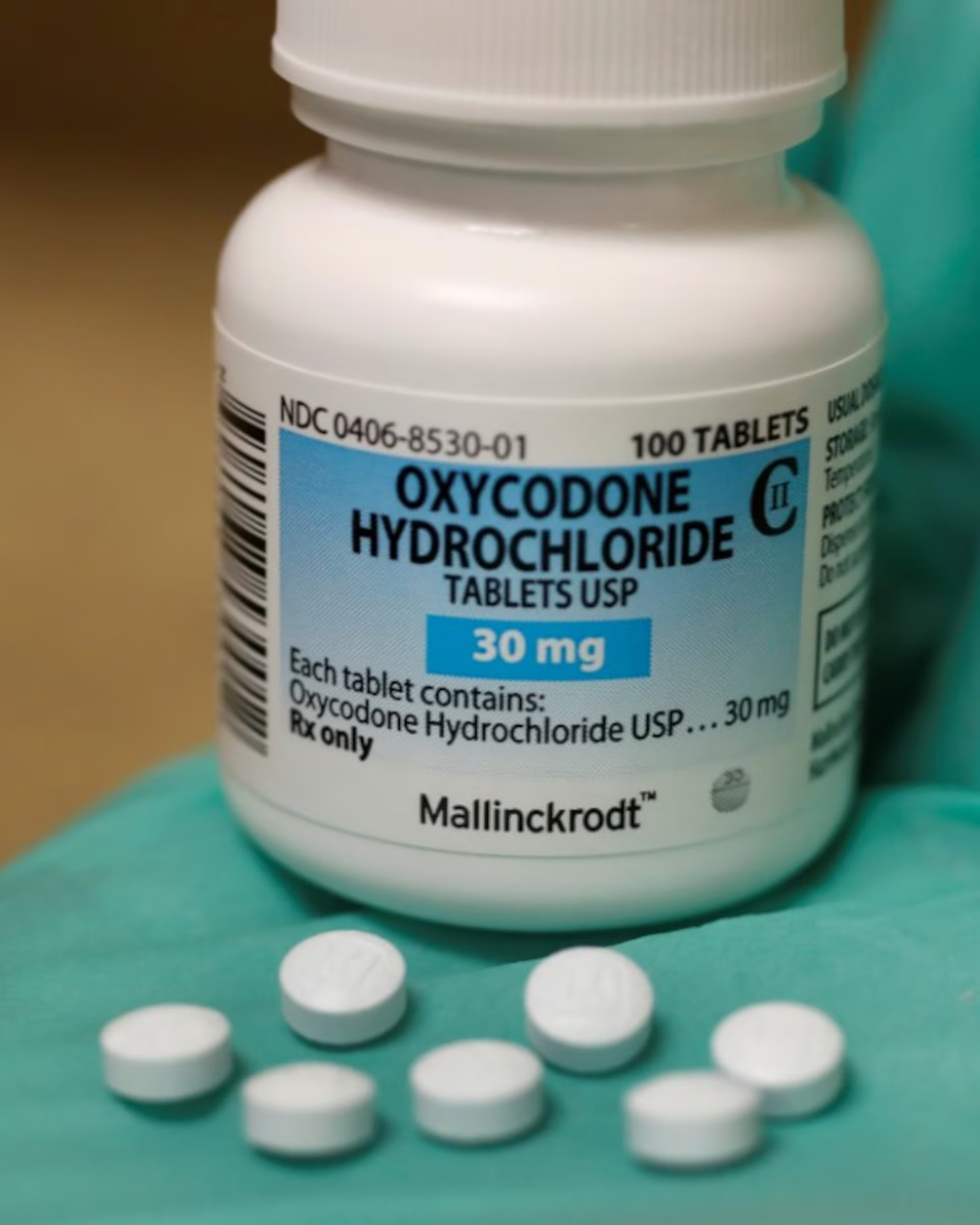
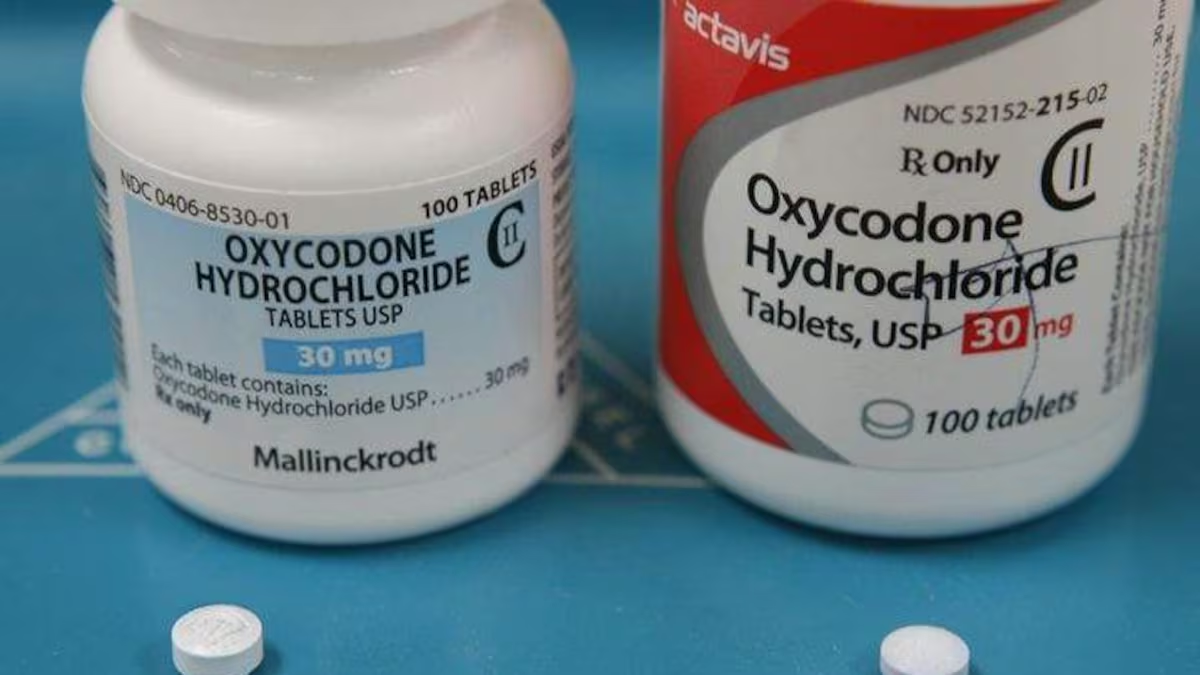
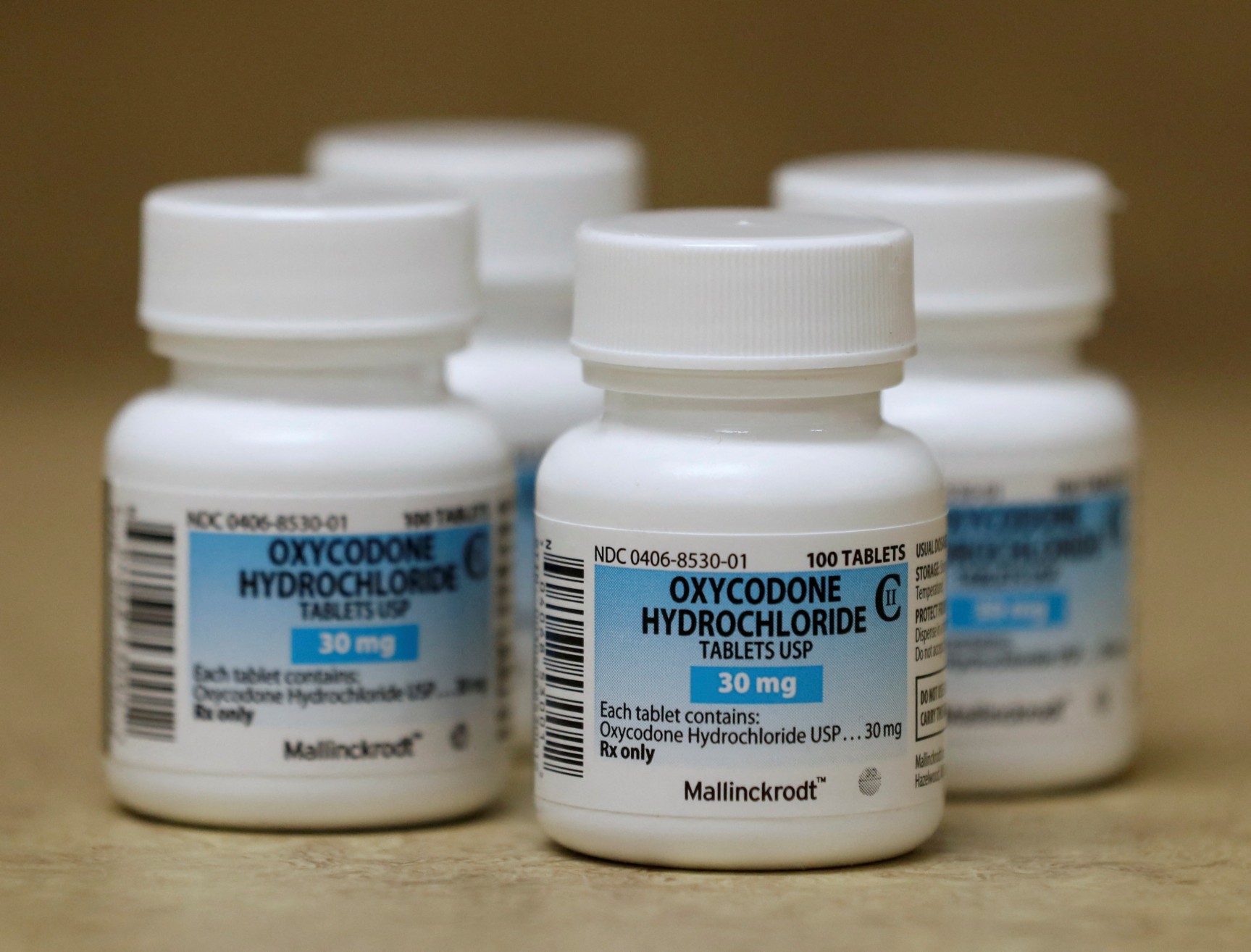
🔹 Trusted by thousands for severe, chronic pain management
Oxycodone is a potent semi‑synthetic opioid analgesic that is FDA-approved for the management of severe, persistent pain that requires around‑the‑clock treatment. It is frequently prescribed for cancer pain, post‑surgical pain, and pain from serious injuries.
Oxycodone has a half-life of about 3 to 5 hours, which allows for effective pain control throughout the day. It is available in immediate-release (IR) and extended-release (ER) formulations.
Oxycodone is available in tablet form in strengths of 5mg, 10mg, 15mg, 20mg, and 30mg. The 30mg strength is typically reserved for patients who have developed tolerance to lower doses.
Prescription required. Available only through licensed healthcare providers in the USA.
3. How Does Oxycodone Work?
Oxycodone works primarily by binding to μ‑opioid receptors in the central nervous system. This action inhibits the release of pain‑transmitting neurotransmitters, effectively reducing the perception of pain. It also modulates the emotional response to pain, providing both analgesic and mild euphoric effects.
Key Mechanism of Action
- μ‑Opioid Receptor Agonism: Binds to opioid receptors, blocking pain signals in the brain and spinal cord.
- Pain Modulation: Reduces the emotional and sensory aspects of pain perception.
- Onset: Immediate-release formulation begins working within 30–60 minutes.
- Duration: Pain relief lasts approximately 4–6 hours (IR formulation).
4. Key Information About Oxycodone 30mg
| Drug Class | Opioid Analgesic (Full μ‑Opioid Receptor Agonist) |
|---|---|
| Primary Indications | Severe Chronic Pain, Cancer Pain, Post‑Surgical Pain, Injury‑Related Pain |
| Active Ingredient | Oxycodone Hydrochloride |
| Onset of Action | 30–60 Minutes (Immediate‑Release) |
| Duration of Effect | 4–6 Hours |
| Half-Life | 3–5 Hours (Average) |
| Common Strengths | 5mg, 10mg, 15mg, 20mg, 30mg |
| Prescription Required | Yes – available only through licensed healthcare providers |
5. Benefits & Common Uses
Oxycodone is primarily prescribed for the following conditions:
Severe Chronic Pain
Oxycodone is highly effective in managing severe, persistent pain that does not respond to non‑opioid analgesics. It provides reliable pain control for patients with chronic conditions.
Cancer Pain
Oxycodone is frequently prescribed for cancer pain, providing effective pain management for patients undergoing cancer treatment or in palliative care.
Post‑Surgical Pain
Oxycodone is often used for post‑surgical pain, providing effective pain control during the recovery period after major surgery.
Pain from Serious Injuries
Oxycodone is effective for pain resulting from serious injuries, such as fractures, burns, and trauma.
6. Side Effects & Warnings
Like all medications, Oxycodone can cause side effects. While many people experience no side effects, some may experience mild to moderate symptoms.
Common Side Effects
- Drowsiness: Mild to moderate sedation, especially during initial treatment.
- Dizziness: Lightheadedness or unsteadiness upon standing.
- Nausea: Mild gastrointestinal discomfort in some users.
- Constipation: Slowed bowel movements, a common opioid-related effect.
- Vomiting: Occasional nausea and vomiting, especially at higher doses.
Serious Side Effects (Seek Immediate Medical Help)
- Respiratory Depression: Slowed or difficult breathing (potentially fatal).
- Allergic Reactions: Rash, itching, swelling, severe dizziness, or trouble breathing.
- Serotonin Syndrome: Agitation, hallucinations, rapid heart rate, fever, muscle stiffness.
- Adrenal Insufficiency: Severe fatigue, nausea, vomiting, or low blood pressure.
- Dependence/Withdrawal: Risk of physical and psychological dependence with prolonged use.
Who Should Not Take Oxycodone?
- Patients with a history of allergic reactions to Oxycodone or other opioids.
- Patients with severe liver or kidney impairment without proper dose adjustment.
- Patients with uncontrolled epilepsy or a history of seizures.
- Patients with respiratory depression, sleep apnea, or myasthenia gravis.
- Patients who are pregnant, planning to become pregnant, or breastfeeding (consult your doctor first).
7. Drug Interactions
Oxycodone can interact with other medications and substances, leading to increased side effects or reduced effectiveness. Always inform your doctor about all medications, supplements, and herbal products you are taking.
- CNS Depressants: Alcohol, sedatives, benzodiazepines, and other opioids can increase drowsiness and respiratory depression.
- Antidepressants (SSRIs/SNRIs): Risk of serotonin syndrome.
- MAO Inhibitors: Can cause dangerous interactions (avoid within 14 days).
- Rifampin: May reduce the effectiveness of Oxycodone.
This list is not exhaustive. Always consult your pharmacist or healthcare provider for personalized advice.
8. What Our Customers Say
Real experiences from individuals who have used Oxycodone for severe pain relief.
"Oxycodone has been a lifesaver for my severe back pain. I can finally get through the day without constant agony. Highly recommend!"
"After my surgery, this was the only medication that provided real relief. Fast shipping and genuine product. Thank you!"
"I've been using Oxycodone for my cancer pain for months. It's effective and reliable. The discreet packaging gives me peace of mind."
"Finally a painkiller that works! I was skeptical about ordering online, but everything was professional and the quality is excellent."
"Great customer service and fast delivery. Oxycodone helps me manage my chronic pain effectively. I'm a loyal customer now."
"Excellent product and service. Oxycodone has improved my quality of life significantly. I can now enjoy my daily activities without constant pain."
9. Frequently Asked Questions
What conditions is Oxycodone 30mg usually prescribed for?
Generally, Oxycodone 30mg is given to patients who experience very severe pain that is continuous, like pain from cancer, injuries, or pain after surgery, which does not go away even after taking painkillers of lower strength.
How long does it take for Oxycodone 30mg to show effects?
The analgesic effect may start within 30-60 minutes after taking a single dose of an immediate-release formulation; however, the exact timing may depend on various personal factors.
Does Oxycodone have risks if used over an extended period?
Long-term administration of Oxycodone for pain relief may be considered in certain cases of severe illnesses if the patient is under continuous monitoring by the doctor. It increases the risk of dependency and tolerance, and therefore should be closely monitored.
What are some of the frequently seen side effects of Oxycodone 30mg?
Side effects may include tiredness, loss of balance, vomiting, constipation, and slower breathing. Additional medical help should be sought if severe side effects are experienced.
Are there any potential drug interactions with Oxycodone?
Indeed. Taking Oxycodone and concurrently consuming alcohol, sedatives, or other drugs that have a depressant effect on the central nervous system can lead to severe interactions. It is a must to disclose to your healthcare professional the full list of medicines and supplements you are currently taking.
What is the recommended starting dose of Oxycodone 30mg?
The typical starting dose for opioid-naive patients is 5mg to 15mg every 4 to 6 hours as needed for pain. The 30mg strength is usually for patients who have developed tolerance to lower doses. Always follow your doctor's prescribed dosing schedule.
📚 Need More Information?
Explore our comprehensive guides on pain management and medication safety.
Browse All Guides →