⚠️ Medical Disclaimer: This article is for educational and informational purposes only. It is not a substitute for professional medical advice, diagnosis, or treatment. Always consult your physician or a qualified healthcare provider before starting any medication.
Ritalin 10mg: Uses, Dosage, Side Effects & Safety
A comprehensive guide to Ritalin 10mg (Methylphenidate) – understanding its uses for ADHD, narcolepsy, proper dosage, potential side effects, and important safety information.
Table of Contents
1. Introduction
Attention-Deficit/Hyperactivity Disorder (ADHD) affects approximately 6.1 million children and 8.7 million adults in the United States. For many, medications like Ritalin 10mg are essential tools for managing symptoms and improving daily functioning.
Ritalin is a central nervous system stimulant containing methylphenidate. It is FDA-approved for the treatment of ADHD (in both children and adults) and narcolepsy. It works by increasing dopamine and norepinephrine levels in the brain, which helps improve focus, attention, and impulse control.
This guide provides a comprehensive overview of Ritalin 10mg, including its uses, mechanism of action, recommended dosage, potential side effects, and important precautions. Whether you are a patient seeking information or a caregiver looking to understand this medication better, this guide will help you make informed decisions about your health.
Important: Ritalin is a Schedule II controlled substance with a high potential for abuse and dependence. It should only be taken under the strict supervision of a licensed healthcare provider.
2. What is Ritalin 10mg?
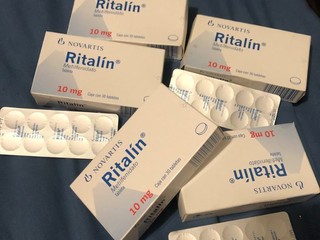
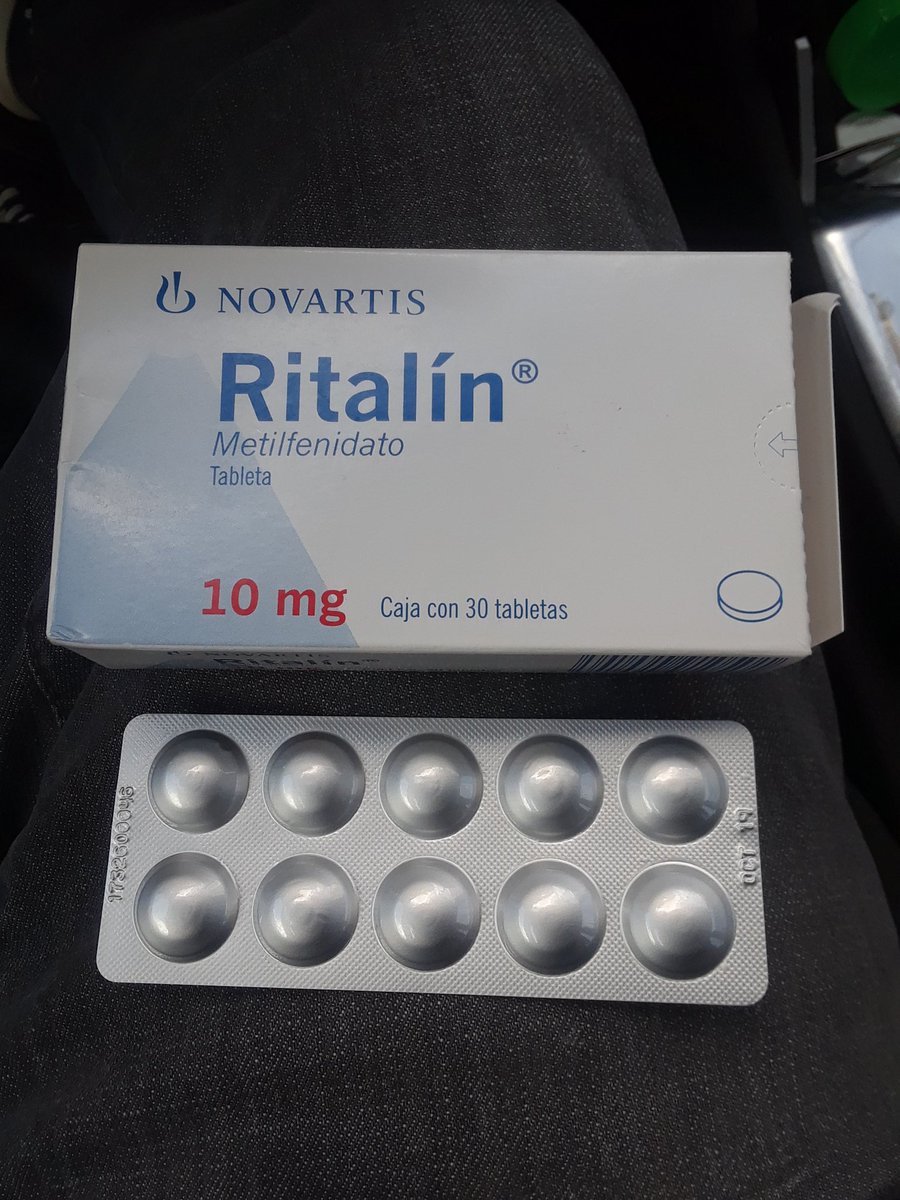
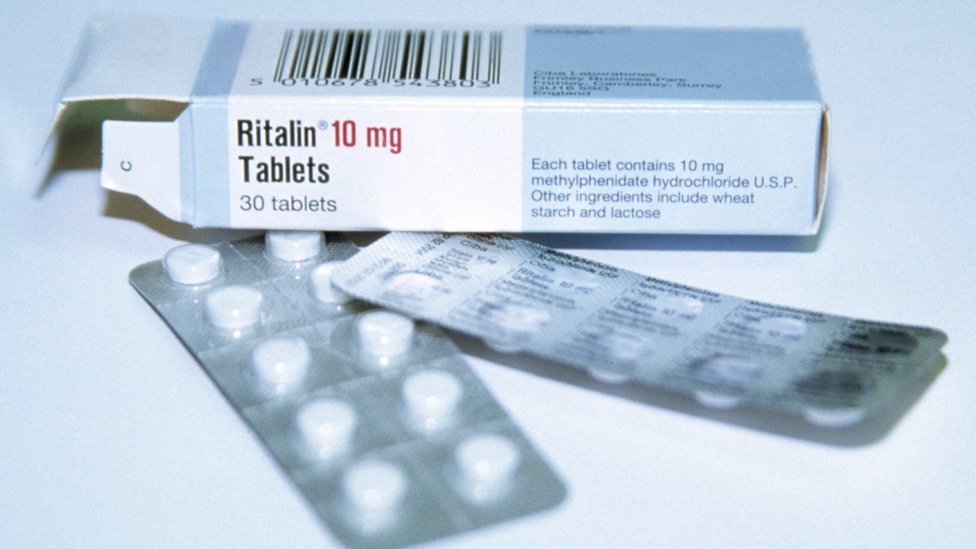
🔹 Trusted by thousands for improved focus & ADHD management
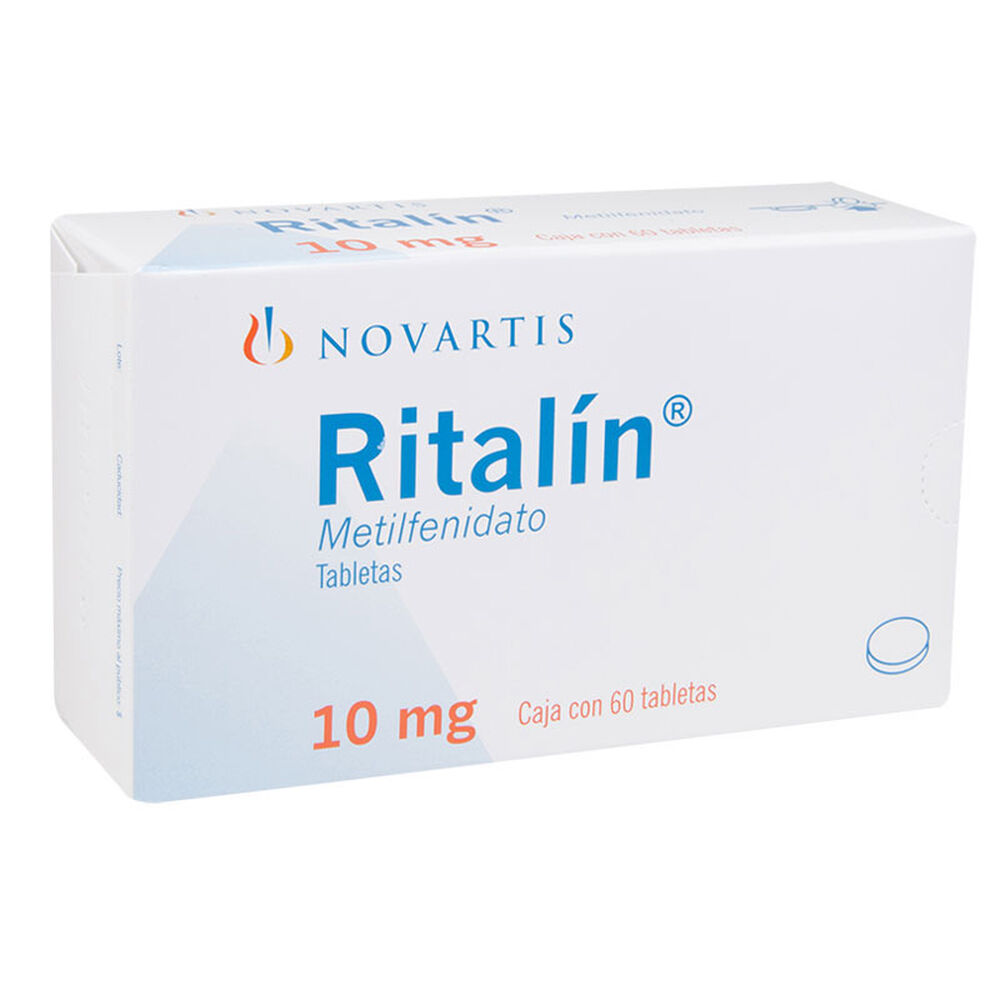
Ritalin is the brand name for Methylphenidate, a central nervous system stimulant that is FDA-approved for the treatment of ADHD (in both children and adults) and narcolepsy. It works by increasing dopamine and norepinephrine levels in the brain, which helps improve focus, attention, and impulse control.
Ritalin has a half-life of about 3 to 4 hours, which allows for flexible dosing throughout the day. It is available in immediate-release (IR) and long-acting (LA/ER) formulations.
Ritalin is available in tablet form in strengths of 5mg, 10mg, and 20mg. The 10mg strength is commonly prescribed for adults and children with ADHD.
Prescription required. Available only through licensed healthcare providers in the USA.
3. How Does Ritalin Work?
Ritalin works by blocking the reuptake of dopamine and norepinephrine in the brain, increasing their availability in the synaptic cleft. This enhances neurotransmission in areas of the brain responsible for attention, focus, and impulse control.
Key Mechanism of Action
- Dopamine Reuptake Inhibition: Increases dopamine levels in the brain, improving focus and motivation.
- Norepinephrine Reuptake Inhibition: Enhances alertness and cognitive flexibility.
- Onset: Immediate-release formulations begin working within 20–60 minutes.
- Duration: Effects last approximately 3–4 hours (IR) or up to 8 hours (ER/LA).
4. Key Information About Ritalin 10mg
| Drug Class | Central Nervous System Stimulant (Methylphenidate) |
|---|---|
| Primary Indications | ADHD, Narcolepsy |
| Active Ingredient | Methylphenidate Hydrochloride |
| Onset of Action | 20–60 Minutes (Immediate-Release) |
| Duration of Effect | 3–4 Hours (IR) | Up to 8 Hours (ER/LA) |
| Half-Life | 3–4 Hours (Average) |
| Common Strengths | 5mg, 10mg, 20mg |
| Prescription Required | Yes – available only through licensed healthcare providers |
5. Benefits & Common Uses
Ritalin is primarily prescribed for the following conditions:
ADHD (Attention-Deficit/Hyperactivity Disorder)
Ritalin is highly effective in reducing ADHD symptoms, including inattention, hyperactivity, and impulsivity. It helps patients focus, organize tasks, and regulate their behavior.
Narcolepsy
Ritalin promotes wakefulness and reduces excessive daytime sleepiness in patients with narcolepsy, helping them stay alert during the day.
6. Side Effects & Warnings
Like all medications, Ritalin can cause side effects. While many people experience no side effects, some may experience mild to moderate symptoms.
Common Side Effects
- Loss of Appetite: Reduced hunger, which may lead to weight loss.
- Insomnia: Difficulty falling asleep if taken later in the day.
- Nervousness: Mild restlessness or anxiety.
- Headache: Tension-type headaches during the adjustment period.
- Increased Heart Rate: Mild tachycardia in some users.
Serious Side Effects (Seek Immediate Medical Help)
- Cardiovascular Issues: Chest pain, palpitations, or high blood pressure.
- Psychiatric Symptoms: Severe agitation, hallucinations, or paranoia.
- Circulation Problems: Numbness, pain, or color changes in fingers/toes (Raynaud's phenomenon).
- Allergic Reactions: Rash, itching, swelling, severe dizziness, or trouble breathing.
- Dependence: Risk of psychological dependence with prolonged use.
Who Should Not Take Ritalin?
- Patients with a history of heart disease, high blood pressure, or hyperthyroidism.
- Patients with glaucoma, severe anxiety, or agitation disorders.
- Patients with a history of drug abuse or dependence.
- Patients taking MAO inhibitors (or have taken them within the last 14 days).
- Patients who are pregnant, planning to become pregnant, or breastfeeding (consult your doctor first).
7. Drug Interactions
Ritalin can interact with other medications and substances, leading to increased side effects or reduced effectiveness. Always inform your doctor about all medications, supplements, and herbal products you are taking.
- Antidepressants (SSRIs/SNRIs): May increase the risk of serotonin syndrome.
- Blood Pressure Medications: Ritalin may reduce the effectiveness of antihypertensives.
- Other Stimulants or Caffeine: Can amplify nervousness and cardiovascular side effects.
- Anticonvulsants: May alter the effectiveness of seizure medications.
This list is not exhaustive. Always consult your pharmacist or healthcare provider for personalized advice.
8. What Our Customers Say
Real experiences from individuals who have used Ritalin for ADHD and focus.
"Ritalin has completely changed my ability to focus at work. I can finally get through my tasks without constant distractions."
"My son has been using Ritalin for his ADHD and we've seen a remarkable improvement in his school performance. Highly recommend."
"I've been on Ritalin for 6 months now and it's made a huge difference in my daily productivity. Great quality and fast shipping."
"This medication has helped me stay focused and organized. I can now complete my projects on time. Life-changing!"
"I was skeptical about ordering online, but everything was professional and discreet. The product quality is excellent."
"Excellent customer service and fast delivery. Ritalin helps me stay sharp and focused throughout the day. I'm a loyal customer now."
9. Frequently Asked Questions
What is Ritalin 10mg prescribed for?
Ritalin 10mg is mainly prescribed to treat ADHD symptoms such as lack of focus, attention, and impulse control, but it can also be used to help prevent narcolepsy attacks.
How fast does Ritalin 10mg work?
After an immediate-release dose, most people experience increased concentration and alertness about 20-60 minutes later.
Is Ritalin safe for prolonged use?
ADHD patients can have Ritalin prescribed as a maintenance medicine on a long-term basis, but always under a doctor's guidance. The doctor should check the patient's progress regularly.
What are the typical side effects of Ritalin 10mg?
Some of the side effects are loss of appetite, trouble sleeping, nervousness, headache, or a faster heartbeat. Your doctor should be consulted if the symptoms continue or are severe.
Can Ritalin interact with other medications?
It can. Ritalin behavior can be changed if taken with some antidepressant drugs, blood pressure meds, and other stimulants. Your doctor should be made aware of all the medicines and supplements you are using.
What is the difference between Ritalin IR and Ritalin LA?
Ritalin IR (Immediate-Release) lasts 3-4 hours and is usually taken 2-3 times daily. Ritalin LA (Long-Acting) lasts up to 8 hours and is taken once daily for consistent symptom control throughout the day.
📚 Need More Information?
Explore our comprehensive guides on ADHD management and medication safety.
Browse All Guides →