Tramadol vs Oxycodone: Which is Better for Chronic and Severe Pain?
A comprehensive, evidence-based comparison of Tramadol and Oxycodone for U.S. patients managing chronic pain, severe pain, neuropathic pain, and post-surgical recovery.
Table of Contents
1. Introduction
Chronic pain affects over 50 million adults in the United States, according to the CDC, making it one of the most common reasons Americans seek medical care.[3] For many, prescription opioids like Tramadol and Oxycodone are essential tools for managing debilitating pain. But when it comes to Tramadol vs Oxycodone for chronic pain, which one is actually stronger and safer?
The short answer: Oxycodone is significantly stronger than Tramadol, but that doesn't always make it the better choice.[1][2] Oxycodone is a potent Schedule II opioid reserved for severe pain, while Tramadol is a milder Schedule IV opioid often prescribed for moderate pain and neuropathic pain. Both are FDA-approved and available only by prescription in the United States.
If you are exploring other pain management options, you may also find our comparison of Soma vs Flexeril helpful for muscle-related pain, or our Fioricet vs Excedrin guide for headache pain.
🔗 External Authority Reference: According to the CDC, opioid medications should be used at the lowest effective dose for the shortest duration possible.[3] The Mayo Clinic recommends non-opioid alternatives like physical therapy, NSAIDs, and cognitive behavioral therapy whenever possible.[5]
2. What is Tramadol?
Tramadol is a synthetic opioid analgesic that is FDA-approved for the treatment of moderate to moderately severe pain.[1] It is unique among opioids because it has a dual mechanism of action: it acts as a weak opioid receptor agonist and also inhibits the reuptake of serotonin and norepinephrine (similar to an SNRI antidepressant).
Tramadol has a half-life of about 5 to 7 hours and is available in immediate-release (IR) and extended-release (ER) formulations. It is classified as a Schedule IV controlled substance, meaning it has a lower potential for abuse than Schedule II drugs like Oxycodone, but dependence can still occur.[4]
How Tramadol Works
Tramadol works in two ways. First, it binds weakly to the mu-opioid receptors in the brain, reducing pain signals. Second, it blocks the reuptake of serotonin and norepinephrine, which enhances the body's descending inhibitory pain pathways.[1] This dual action makes Tramadol particularly effective for neuropathic pain and chronic pain conditions that don't respond well to traditional opioids.
Common Dosage
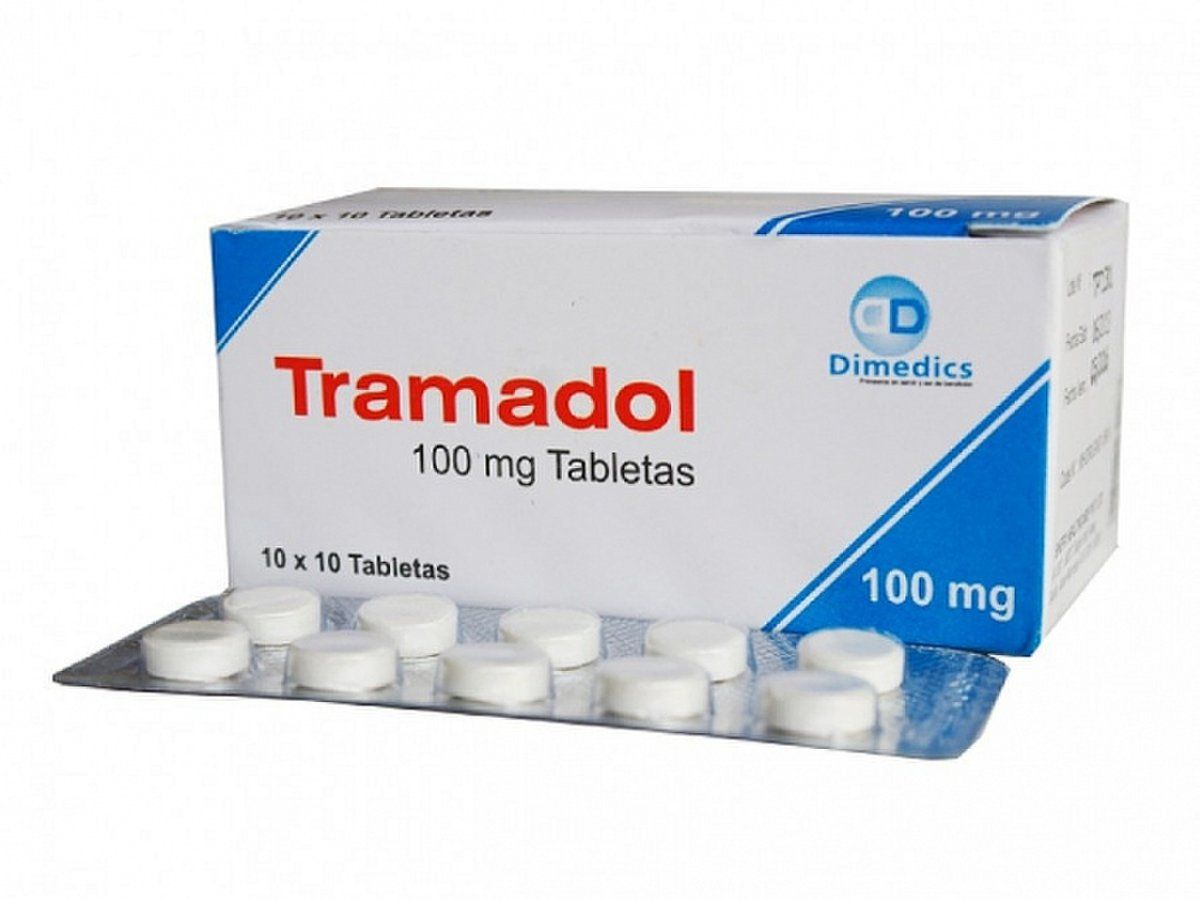
Tramadol is available in strengths of 50mg, 100mg, 200mg, and 300mg tablets. For pain, the typical starting dose for adults is 50mg taken every 4 to 6 hours as needed. The maximum daily dose is 400mg (or 300mg for elderly patients). Extended-release versions are taken once daily.[1]
👉 Learn More: For detailed information on dosage, side effects, and safety, read our comprehensive Tramadol 100mg Informative Guide.
3. What is Oxycodone?
Oxycodone is a semi-synthetic potent opioid analgesic that is FDA-approved for the treatment of moderate to severe pain.[2] It is a pure opioid agonist with a potency approximately 1.5 to 2 times that of morphine, making it one of the strongest oral painkillers available.
Oxycodone has a half-life of about 3 to 4.5 hours and is available in immediate-release (IR) and extended-release (ER / OxyContin) formulations. It is classified as a Schedule II controlled substance, indicating a high potential for abuse and dependence, requiring strict medical supervision.[4]
How Oxycodone Works
Oxycodone binds strongly to the mu-opioid receptors in the brain and spinal cord, mimicking the effects of endogenous endorphins. This blocks the transmission of pain signals, producing powerful analgesia.[2] It also releases dopamine, which can produce feelings of euphoria, contributing to its higher abuse potential.
Common Dosage
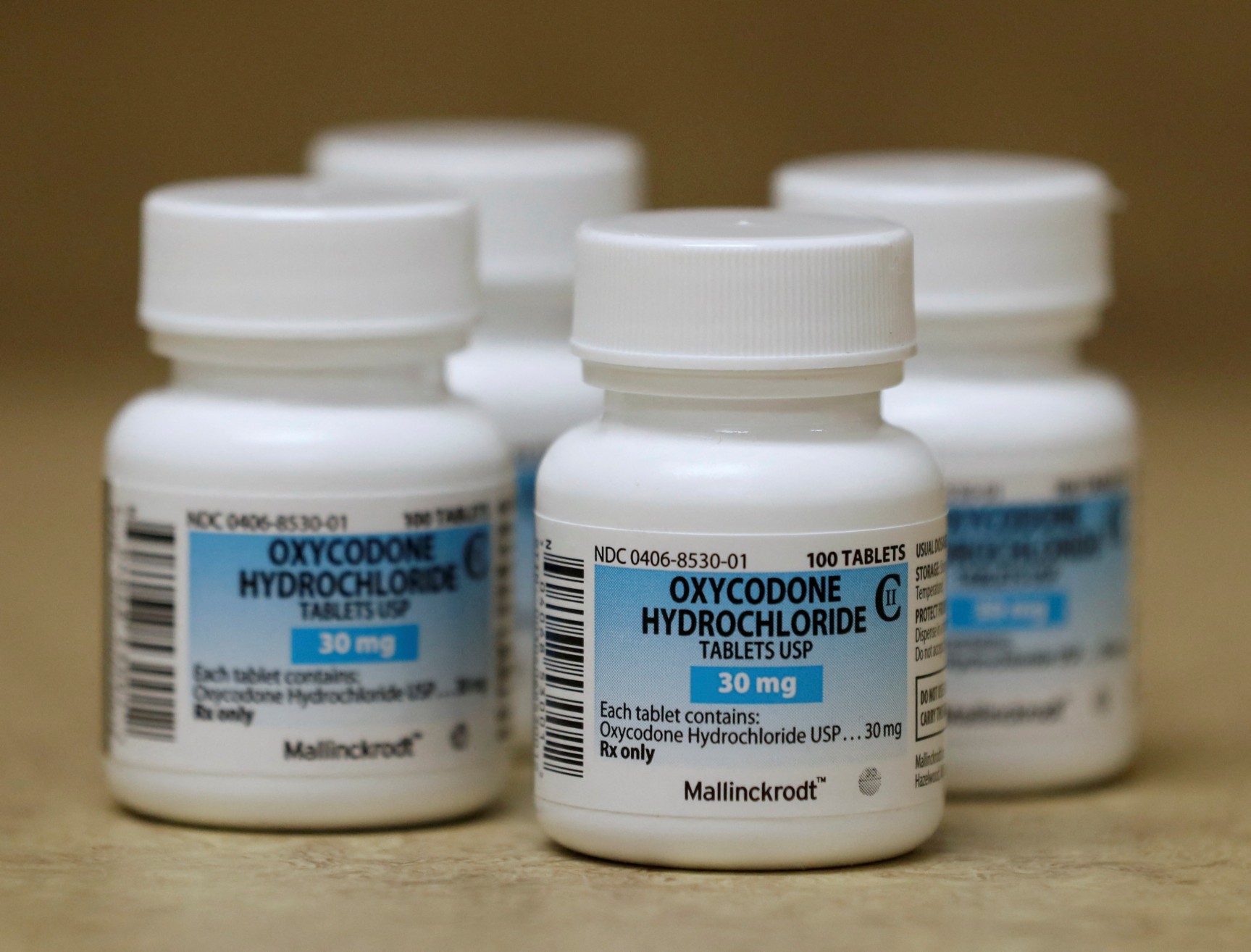
Oxycodone is available in strengths of 5mg, 10mg, 15mg, 20mg, 30mg, 40mg, and 60mg tablets. For acute pain, the typical starting dose for adults is 5mg to 10mg taken every 4 to 6 hours as needed. Extended-release versions are taken every 12 hours. Doses are highly individualized based on pain severity and prior opioid exposure.[2]
👉 Learn More: For detailed information on dosage, side effects, and safety, read our comprehensive Oxycodone 30mg Informative Guide.
4. Tramadol vs Oxycodone – Comparison Table
Here is a side-by-side comparison of the key differences between Tramadol and Oxycodone:[1][2]
| Feature | Tramadol | Oxycodone |
|---|---|---|
| Drug Class | Synthetic Opioid (SNRI + Weak Opioid) | Semi-synthetic Opioid (Pure Agonist) |
| DEA Schedule | Schedule IV (Lower abuse potential) | Schedule II (High abuse potential) |
| Potency | Mild to Moderate (1/10th the potency of morphine) | Potent (1.5-2x stronger than morphine) |
| Half‑Life | 5 – 7 hours | 3 – 4.5 hours |
| Onset of Action | 30 – 60 minutes | 30 – 45 minutes |
| Best For | Moderate pain, neuropathic pain, chronic pain | Severe pain, post-surgical pain, cancer pain |
| Common Side Effects | Nausea, dizziness, serotonin syndrome risk, seizures | Constipation, sedation, respiratory depression, severe dependence |
5. Onset & Duration of Action
Understanding the timing of these medications is critical for managing breakthrough pain and planning your daily activities.[1][2]
Tramadol – Moderate Onset, Milder Duration
Tramadol takes 30 to 60 minutes to start working, with peak effects at around 2 hours. Its effects last about 4 to 6 hours for immediate-release forms. Extended-release versions provide consistent relief for up to 24 hours, making them suitable for chronic pain management without frequent dosing.[1]
Because of its SNRI properties, Tramadol may take several days to achieve full efficacy for neuropathic pain conditions, similar to antidepressants.
Oxycodone – Fast Onset, Powerful Peak
Oxycodone has a rapid onset of 30 to 45 minutes, with peak effects within 1 to 2 hours. Immediate-release forms last 3 to 6 hours, while extended-release formulations (OxyContin) provide sustained relief for up to 12 hours.[2]
The shorter half-life of Oxycodone can lead to more frequent dosing requirements for chronic pain, but its rapid onset makes it excellent for managing severe, unpredictable breakthrough pain.
6. Side Effects & Safety Comparison
Both medications have significant side effects, but they differ in their risk profiles. Understanding these differences is crucial for patient safety, especially given the current opioid crisis in the United States.[3]
Common Side Effects of Tramadol
- Nausea and vomiting (very common)
- Dizziness and vertigo
- Constipation (less severe than Oxycodone)
- Headache
- Serotonin syndrome – especially when combined with SSRIs or MAOIs
- Seizures – increased risk at high doses or with seizure disorders
Common Side Effects of Oxycodone
- Severe constipation – often requiring laxatives
- Sedation and drowsiness
- Respiratory depression – a life-threatening risk
- Nausea and vomiting
- Euphoria and mood changes – contributing to abuse potential
- Physical dependence and withdrawal
Serious Risks
- Addiction & Overdose: Oxycodone carries a significantly higher risk of fatal overdose than Tramadol. According to the CDC, opioid overdose deaths have risen sharply in the U.S.[3]
- Drug Interactions: Tramadol is notorious for serotonin syndrome when mixed with antidepressants. Oxycodone is highly dangerous when mixed with alcohol or benzodiazepines.[1][2]
- Withdrawal: Both can cause severe withdrawal symptoms if stopped abruptly, though Oxycodone withdrawal is typically more intense.[4]
These medications must be used exactly as prescribed. Never increase your dose or take them more frequently than directed. Keep them out of reach of children and in a secure location to prevent misuse.
7. Which One Should You Choose?
The choice between Tramadol and Oxycodone is a critical medical decision based on your pain severity, medical history, and risk factors.[5]
Choose Tramadol if you:
- Have moderate chronic pain (not severe).
- Suffer from neuropathic pain or diabetic nerve pain.
- Have a lower risk of addiction and want a milder opioid.
- Are not taking SSRIs or MAOIs (due to serotonin syndrome risk).
- Prefer a medication that also helps with mood and depression associated with chronic pain.
Choose Oxycodone if you:
- Have severe pain that is unresponsive to milder opioids.
- Need strong, fast-acting relief for post-surgical or cancer pain.
- Have a high pain tolerance and require maximum potency.
- Are under strict medical supervision with regular monitoring.
- Have no history of substance abuse (due to high addiction potential).
🔴 Important: For most chronic pain conditions, doctors now recommend starting with non-opioid alternatives (NSAIDs, acetaminophen, physical therapy, cognitive behavioral therapy) before considering opioids.[3] When opioids are necessary, Tramadol is often the first choice due to its lower abuse potential. Oxycodone is typically reserved for severe, refractory pain.[5]
📚 Learn More About Pain Management
Explore our educational guides on pain management medications available in the U.S.
⚠️ Prescription required. Available only through licensed healthcare providers. These are controlled substances.
8. Frequently Asked Questions
References & Authoritative Sources
This guide is based on evidence from the following authoritative sources. All information is reviewed and updated regularly to reflect the latest clinical guidelines and FDA recommendations.
[1] National Institutes of Health — MedlinePlus. Tramadol: MedlinePlus Drug Information. NIH. Updated 2026.
[2] National Institutes of Health — MedlinePlus. Oxycodone: MedlinePlus Drug Information. NIH. Updated 2026.
[3] Centers for Disease Control and Prevention. CDC Opioid Guidelines & Information. CDC. Updated 2026.
[4] U.S. Drug Enforcement Administration. Controlled Substance Schedules — Schedule II & IV. DEA.
[5] Mayo Clinic. Chronic Pain — Symptoms and Causes. Mayo Clinic. Updated 2026.
[6] National Institute of Neurological Disorders and Stroke. Chronic Pain — NINDS. NIH. Updated 2026.
[7] World Health Organization. Opioid Overdose — WHO. WHO. Updated 2026.
Last reviewed and updated: July 14, 2026. This page is intended for educational purposes and should not replace professional medical advice.
📚 Need More Information?
Explore our comprehensive guides on pain management and medication safety.
Browse All Guides →