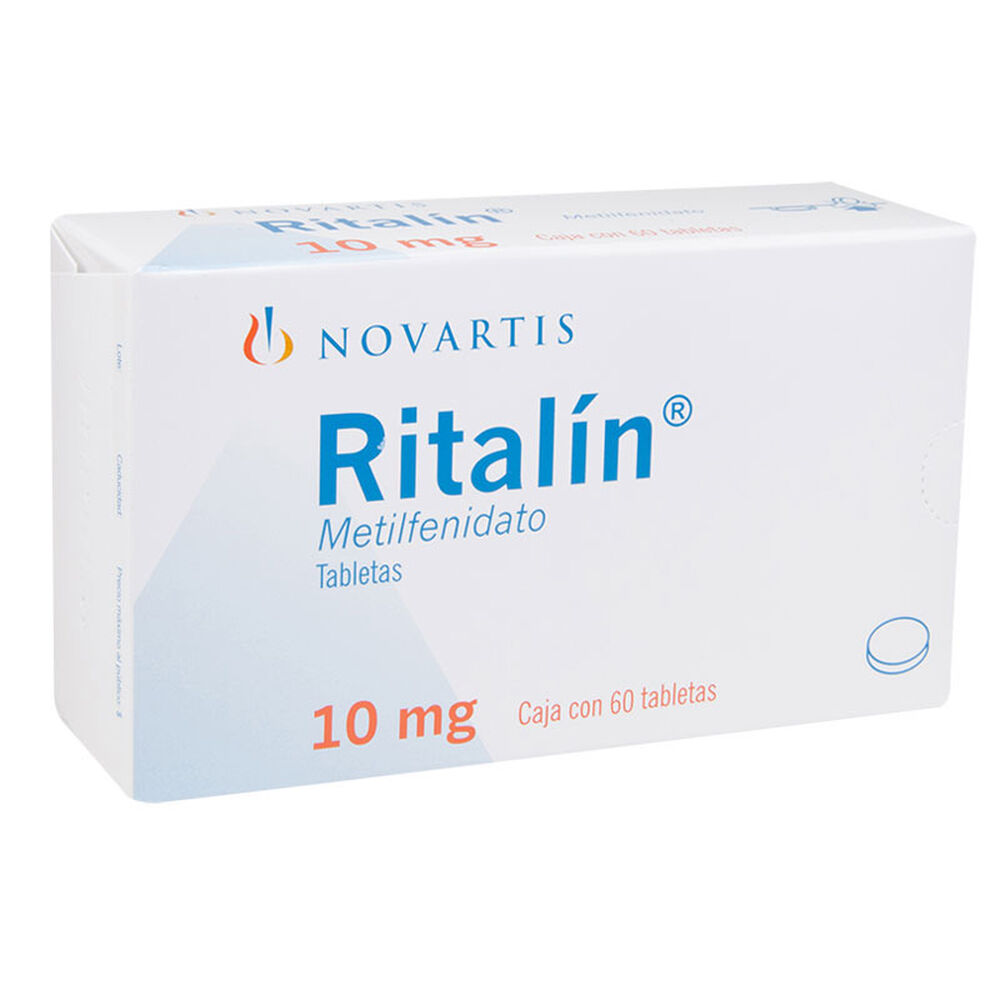
⚠️ Important Medical Disclaimer: This content is for educational and informational purposes only. It is not a substitute for professional medical advice, diagnosis, or treatment. Always consult your physician or a qualified healthcare provider before starting, changing, or discontinuing any medication. Ritalin 10mg is a prescription-only medication in the United States and requires a valid prescription from a licensed healthcare provider. ↓ See references
Ritalin 10mg (Methylphenidate): Uses, Dosage, Side Effects & Safety
Evidence-based educational guide for patients and caregivers — FDA-approved uses, dosing guidelines, safety warnings, and clinical insights for ADHD and narcolepsy for US patients
Medically reviewed by U.S. Licensed Pharmacists | Last updated: July 2026
FDA-approved indications
Evidence-based
Reviewed by U.S. Clinicians
For US Patients
Table of Contents
What Is Ritalin 10mg? Understanding Its Role in ADHD Treatment
Ritalin 10mg (Methylphenidate) is a central nervous system (CNS) stimulant approved by the U.S. Food and Drug Administration (FDA) for the treatment of Attention-Deficit/Hyperactivity Disorder (ADHD) in both children (aged 6 and older) and adults. It is also indicated for the management of narcolepsy.[1] With decades of clinical research behind it, Ritalin is one of the most widely prescribed medications for improving focus, reducing impulsivity, and managing hyperactive behavior. Millions of American patients have used Ritalin to manage ADHD and narcolepsy effectively.
Ritalin works by blocking the reuptake of dopamine and norepinephrine, increasing their availability in the brain, which enhances attention, reduces impulsivity, and improves overall cognitive function.[2]
Key Mechanism of Action
- Dopamine Reuptake Inhibition: Increases dopamine levels in the brain, improving focus, motivation, and reward processing.
- Norepinephrine Reuptake Inhibition: Enhances alertness, working memory, and cognitive flexibility.
- Onset: Immediate-release formulations begin working within 20–60 minutes after oral administration.
- Duration: Effects last approximately 3–4 hours for IR; extended-release formulations (LA, ER) can last up to 8 hours.
- Half-Life: Average elimination half-life is 3–4 hours.
Clinical Uses & Benefits of Ritalin 10mg for US Patients
Ritalin 10mg is indicated for the following conditions based on FDA approval and clinical guidelines:[1][3]
- ✅ ADHD (Attention-Deficit/Hyperactivity Disorder): Improves focus, attention span, and impulse control in patients with ADHD. The 10mg strength is a common starting dose for children and adults. ADHD affects millions of American adults and children.
- ✅ Narcolepsy: Helps manage excessive daytime sleepiness and sudden sleep attacks.
- ✅ Enhanced Cognitive Function: Supports working memory, information processing speed, and task completion.
- ✅ Improved Academic and Work Performance: Enables better concentration and productivity in school and work settings.
- ✅ Emotional Regulation: Helps stabilize mood and frustration tolerance in daily interactions.
Note: Results vary per individual. Ritalin should be used as part of a comprehensive treatment plan under medical supervision.
Ritalin 10mg: Key Information & Specifications
| Drug Class | Central Nervous System Stimulant (Methylphenidate) |
|---|---|
| FDA-Approved Indications | ADHD (children 6+ and adults), Narcolepsy |
| Active Ingredient | Methylphenidate Hydrochloride |
| Onset of Action | 20–60 Minutes (Immediate-Release) |
| Duration of Effect | 3–4 Hours (IR) | Up to 8 Hours (ER/LA) |
| Elimination Half-Life | 3–4 Hours (Average) |
| Available Strengths | 5mg, 10mg, 20mg |
| Prescription Status | Schedule II Controlled Substance — Prescription required in the USA |
| Common Brand Names | Ritalin (U.S.), Methylphenidate (generic), Concerta (ER), Metadate |
Source: FDA Label for Ritalin (Methylphenidate) — see references.
Common and Serious Side Effects of Ritalin 10mg
While Ritalin is highly effective for ADHD and narcolepsy, it can cause side effects. Most are dose-related and may diminish with continued therapy. Contact your healthcare provider immediately if you experience severe or persistent side effects.
Common Side Effects (Affecting >10% of US Users)
- Decreased Appetite: Reduced hunger, which may lead to weight loss, especially in children.
- Insomnia: Difficulty falling asleep if taken later in the day.
- Nervousness / Anxiety: Mild jitteriness or restlessness.
- Headache: Tension-type headaches during the adjustment period.
- Tachycardia: Mild increase in heart rate in some users.
- Dry Mouth: Temporary xerostomia after taking the medication.
Serious Side Effects (Seek Immediate Medical Help)
- Cardiovascular Events: Chest pain, palpitations, shortness of breath, or high blood pressure.
- Psychiatric Symptoms: Severe agitation, hallucinations, paranoia, or new-onset aggressive behavior.
- Circulation Problems: Numbness, pain, or color changes in fingers/toes (Raynaud's phenomenon).
- Serotonin Syndrome: Agitation, hallucinations, tachycardia, fever, hyperreflexia, and muscle rigidity (risk with concurrent SSRIs/SNRIs).
- Dependence and Withdrawal: Physical and psychological dependence with prolonged use. Abrupt discontinuation can cause severe withdrawal symptoms.
Important: This is not a complete list of side effects. For a full list, refer to the FDA prescribing information or consult your pharmacist or healthcare provider. View FDA Label on DailyMed →
Important Warnings & Drug Interactions for Ritalin 10mg
Contraindications — Do not take Ritalin if you:
- Have a history of heart disease, high blood pressure, or hyperthyroidism.
- Have glaucoma, severe anxiety, or agitation disorders.
- Have a history of drug abuse or dependence.
- Are taking MAO inhibitors (or have taken them within the last 14 days).
- Are pregnant, planning to become pregnant, or breastfeeding (consult your obstetrician immediately).
Serious Drug Interactions
- Antidepressants (SSRIs/SNRIs): May increase the risk of serotonin syndrome when combined with Ritalin.
- Blood Pressure Medications: Ritalin may reduce the effectiveness of antihypertensives.
- Other Stimulants or Caffeine: Can amplify nervousness and cardiovascular side effects.
- MAO Inhibitors: Can cause dangerous interactions (avoid within 14 days).
- Anticonvulsants: May alter the effectiveness of seizure medications.
Safety Precautions for US Patients
- Risk of Dependence: Ritalin is a Schedule II controlled substance. Prolonged use leads to tolerance, physical dependence, and addiction potential.
- Withdrawal: Abrupt discontinuation can cause severe withdrawal symptoms including fatigue, depression, and sleep disturbances. Always taper under medical supervision.
- Driving and Machinery: Ritalin may impair psychomotor function. Do not drive or operate heavy machinery until you know how the medication affects you.
- Pregnancy and Breastfeeding: Methylphenidate is not recommended during pregnancy (Category C). It is excreted in breast milk and should be avoided during breastfeeding.
- Geriatric Patients: Elderly patients are more susceptible to cardiovascular side effects. Starting doses should be reduced and titrated slowly.
Pharmacology of Ritalin 10mg: How Methylphenidate Works in the Body
Absorption and Bioavailability
Methylphenidate is rapidly and completely absorbed following oral administration. Peak plasma concentrations are achieved within 1 to 2 hours. The oral bioavailability of methylphenidate is approximately 30-50% due to first-pass metabolism, but this is sufficient to produce therapeutic effects. The drug is moderately lipophilic, allowing it to cross the blood-brain barrier effectively and exert its central nervous system effects.
Distribution and Protein Binding
Once absorbed, methylphenidate is extensively distributed throughout the body. Approximately 10-30% of the drug is bound to plasma proteins. The volume of distribution is approximately 2-3 L/kg. Its moderate lipophilicity contributes to its rapid onset and intermediate duration of action.
Metabolism
Methylphenidate is extensively metabolized in the liver via the CYP450 enzyme system, primarily CYP2D6. The major metabolic pathway involves de-esterification to form ritalinic acid, which is pharmacologically inactive. Unlike amphetamine, methylphenidate does not produce active metabolites, contributing to its relatively predictable pharmacokinetic profile.
Elimination and Half-Life
The elimination half-life of methylphenidate ranges from 3 to 4 hours, with an average of approximately 3.5 hours. This short half-life requires multiple daily dosing for immediate-release formulations, while extended-release formulations provide symptom control throughout the day.
Renal and Hepatic Considerations
Methylphenidate is primarily excreted in the urine as metabolites. In patients with renal impairment, dose adjustment may be required due to reduced clearance. In patients with hepatic impairment, the metabolism of methylphenidate may be significantly reduced, necessitating dose reduction or alternative therapy.
Frequently Asked Questions About Ritalin 10mg
Can I buy Ritalin 10mg online safely?
Yes, but it requires a valid prescription from a licensed healthcare provider in the United States. Always ensure you are purchasing from a legitimate, licensed pharmacy like MedStore that follows all federal and state regulations for prescription verification, patient safety, and HIPAA compliance. Never purchase from unverified online sources.
What is Ritalin 10mg prescribed for?
Ritalin 10mg (Methylphenidate) is FDA-approved for the treatment of Attention-Deficit/Hyperactivity Disorder (ADHD) in both children (aged 6 and older) and adults. It is also indicated for narcolepsy. The 10mg strength is a common starting dose for many patients.
How quickly does Ritalin 10mg work?
Ritalin 10mg is an immediate-release formulation. Most patients notice improved focus and concentration within 20 to 60 minutes after oral administration. The peak plasma concentration is reached within 1 to 2 hours. Individual response times may vary based on metabolism and other factors.
Is Ritalin 10mg safe for long-term use?
Ritalin 10mg may be used for long-term management of ADHD when prescribed and monitored by a healthcare provider. However, it carries risks of tolerance, physical dependence, and withdrawal symptoms with prolonged therapy. Regular monitoring is essential to assess efficacy and side effects. Always follow your doctor's guidance.
What are the common side effects of Ritalin 10mg?
Common side effects of Ritalin 10mg include decreased appetite, insomnia (trouble sleeping), nervousness/anxiety, headache, and tachycardia (increased heart rate). Serious side effects include cardiovascular events, psychiatric symptoms, and allergic reactions. Patients experiencing severe or persistent side effects should contact their healthcare provider immediately.
What is the difference between Ritalin IR and Ritalin LA?
Ritalin IR (Immediate-Release) provides symptom control for 3-4 hours and is typically taken 2-3 times daily. Ritalin LA (Long-Acting) provides up to 8 hours of symptom control with a single daily dose. The choice between formulations depends on the patient's specific needs, symptom pattern, and lifestyle. Your doctor will recommend the most appropriate formulation for you.
Can Ritalin 10mg be taken with other medications?
Ritalin 10mg has significant drug interactions that can be serious. Concurrent use with MAO inhibitors is contraindicated (and should be avoided within 14 days). Combining Ritalin with antidepressants (SSRIs, SNRIs) can increase the risk of serotonin syndrome. Additionally, Ritalin may reduce the effectiveness of blood pressure medications. Always provide your doctor and pharmacist with a complete list of all medications, including over-the-counter drugs and supplements.
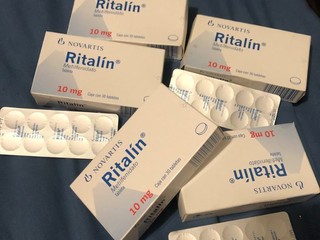
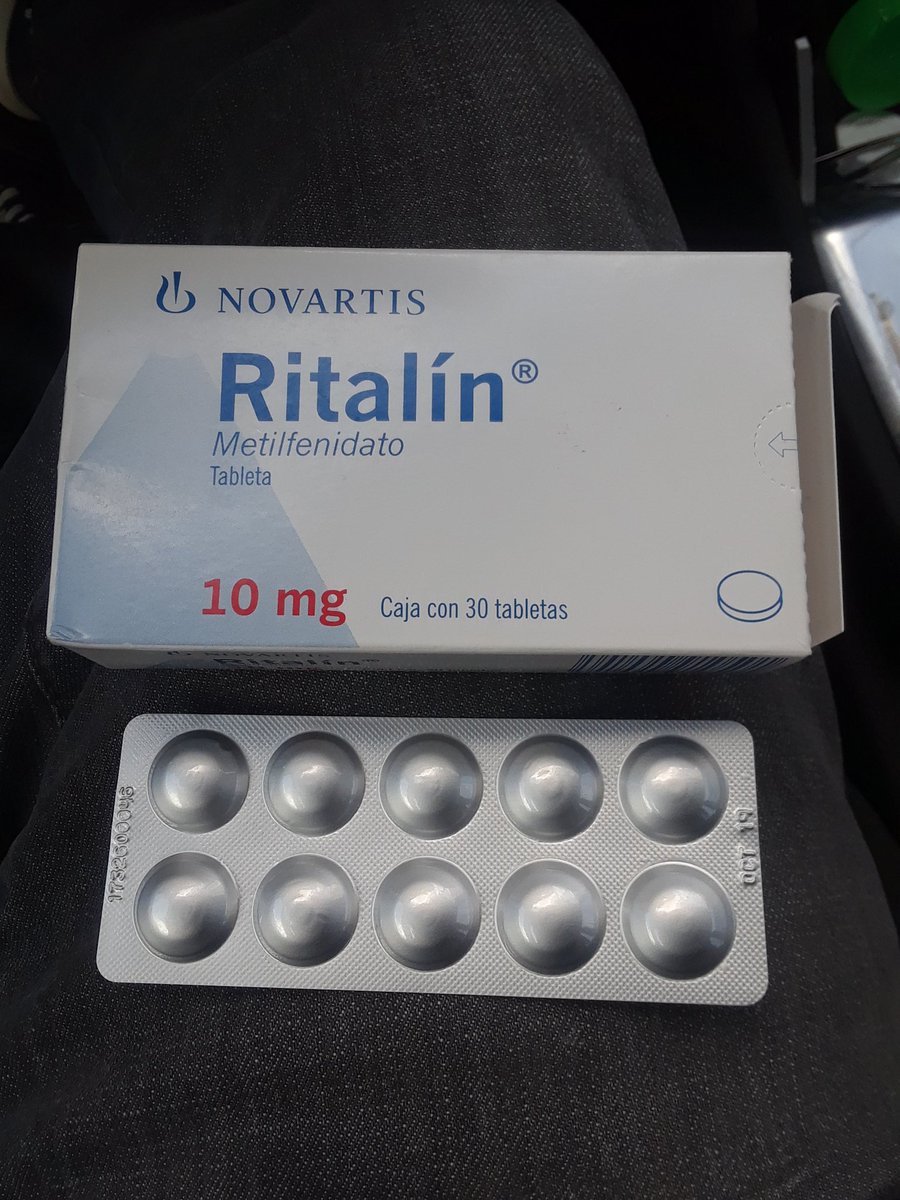
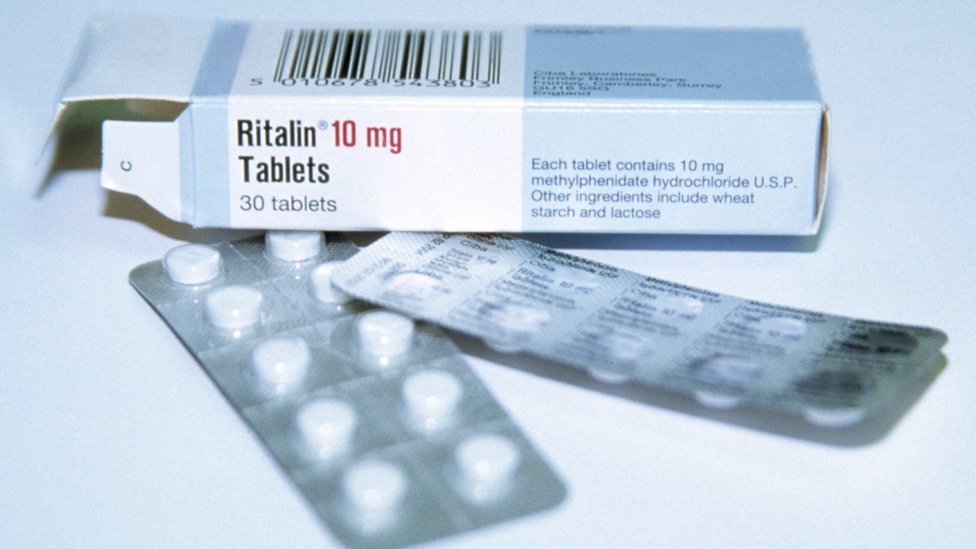
Visual Reference — Ritalin 10mg Tablets
Images are for illustrative purposes only. This medication is available by prescription only.
📋 About This Medication
Ritalin 10mg (Methylphenidate) is a central nervous system stimulant used for the treatment of ADHD and narcolepsy. It works by increasing dopamine and norepinephrine levels in the brain to improve focus, attention, and impulse control.
- Prescription required — Schedule II controlled substance
- Common strengths: 5mg, 10mg, 20mg
- Available through: Licensed pharmacies only
This information is for educational purposes only. Always consult your healthcare provider.
📞 Check Availability →References & Authoritative Sources
This guide is based on evidence from the following authoritative sources. All information is reviewed and updated regularly to reflect the latest clinical guidelines and FDA recommendations.
[1] U.S. Food and Drug Administration — DailyMed: Methylphenidate (Ritalin) Label Information. NIH National Library of Medicine.
[2] National Institutes of Health — MedlinePlus. Methylphenidate: MedlinePlus Drug Information. NIH. Updated 2026.
[3] American Psychiatric Association. Diagnostic and Statistical Manual of Mental Disorders, Fifth Edition, Text Revision (DSM-5-TR). 2022.
[4] National Institute of Mental Health. ADHD — NIMH. NIH. Updated 2026.
[5] U.S. Drug Enforcement Administration. Controlled Substance Schedules — Schedule II. DEA.
[6] National Center for Biotechnology Information. Methylphenidate — StatPearls. NCBI.
Last reviewed and updated: July 14, 2026. This page is intended for educational purposes and should not replace professional medical advice.
Ritalin 10mg
Methylphenidate | Schedule II