Anxiety & Panic Disorders: Complete Guide
Understanding symptoms, causes, and effective treatment options for anxiety and panic disorders — including medication, therapy, and lifestyle changes.
Table of Contents
1. What is an Anxiety Disorder?
Anxiety disorders are the most common mental health conditions worldwide, affecting millions of people. Unlike normal everyday anxiety, which is a natural response to stress, anxiety disorders involve persistent, excessive, and often irrational worry or fear that interferes with daily activities.
People with anxiety disorders may experience intense fear in situations that others may find non-threatening. This can lead to avoidance behaviors, difficulty concentrating, and physical symptoms like rapid heartbeat, sweating, and trembling.
Key Facts About Anxiety Disorders
- Prevalence: Affects approximately 40 million adults in the United States annually, making it the most common mental health condition in the country.
- Types: Includes Generalized Anxiety Disorder (GAD), Panic Disorder, Social Anxiety Disorder, and Specific Phobias.
- Treatment: Highly treatable with medication, therapy, or combination approaches. Many patients achieve significant symptom relief.
- Impact: Can significantly affect work, school, personal relationships, and overall quality of life if left untreated.
2. Types of Anxiety Disorders
There are several types of anxiety disorders, each with distinct characteristics and diagnostic criteria:
Generalized Anxiety Disorder (GAD)
Characterized by persistent, excessive worry about everyday situations, often with no clear trigger. Symptoms include restlessness, fatigue, difficulty concentrating, irritability, muscle tension, and sleep disturbances. GAD is the most common anxiety disorder.
Panic Disorder
Involves recurrent, unexpected panic attacks — sudden episodes of intense fear accompanied by physical symptoms like chest pain, palpitations, shortness of breath, dizziness, and a feeling of losing control. People with panic disorder often fear having another attack, which can lead to avoidance behaviors.
Social Anxiety Disorder (Social Phobia)
Intense fear of social situations where one might be judged, embarrassed, or scrutinized by others. This can lead to avoidance of social interactions, significant distress, and impairment in daily life, work, or relationships.
Specific Phobias
Intense, irrational fear of specific objects or situations (e.g., heights, spiders, flying, needles). The fear is disproportionate to the actual danger posed and can lead to significant avoidance behaviors.
3. Symptoms of Anxiety & Panic
Anxiety and panic disorders can manifest through a combination of psychological and physical symptoms:
Psychological Symptoms
- Excessive worry or fear about everyday situations
- Restlessness or feeling constantly "on edge"
- Difficulty concentrating or mind going blank
- Irritability and mood swings
- Avoidance of anxiety-provoking situations or places
- Feeling of impending doom or danger
Physical Symptoms
- Rapid heartbeat or palpitations
- Sweating and trembling
- Shortness of breath or hyperventilation
- Chest pain or discomfort
- Dizziness or lightheadedness
- Nausea or gastrointestinal issues
- Muscle tension, headaches, and fatigue
4. Causes & Risk Factors
Anxiety disorders develop from a complex interaction of biological, environmental, and psychological factors:
Biological Factors
- Genetics: Family history of anxiety or other mental health conditions increases risk.
- Brain Chemistry: Imbalance of neurotransmitters like GABA, serotonin, and norepinephrine.
- Brain Structure: Differences in the amygdala (fear processing) and prefrontal cortex (emotional regulation).
Environmental Factors
- Trauma: Childhood abuse, neglect, or traumatic events in adulthood.
- Chronic Stress: Ongoing stress from work, relationships, or financial difficulties.
- Substance Use: Excessive caffeine, alcohol, or drug use can trigger or worsen anxiety symptoms.
Psychological Factors
- Personality Traits: Certain traits like perfectionism, low self-esteem, or neuroticism.
- Cognitive Patterns: Negative thinking patterns, catastrophic interpretations of events, and excessive self-criticism.
5. Treatment Options for Anxiety Disorders
Anxiety disorders are highly treatable. The most effective approach often combines multiple treatment modalities tailored to the individual's needs:
Medication
Benzodiazepines (like Valium, Xanax, Ativan, and Klonopin) provide rapid relief for acute anxiety and panic attacks. SSRIs and SNRIs are also commonly prescribed for long-term management of anxiety disorders.
Psychotherapy
Cognitive Behavioral Therapy (CBT): The most evidence-based therapy for anxiety, helping patients identify and change negative thought patterns and behaviors that contribute to anxiety.
Lifestyle Changes
- Regular exercise and physical activity (reduces stress hormones)
- Healthy diet and proper nutrition (supports brain health)
- Adequate sleep and rest (7-9 hours per night)
- Stress management techniques (meditation, deep breathing, mindfulness)
6. Medications for Anxiety & Panic
Several prescription medications are commonly used to treat anxiety and panic disorders. At MedStore Online Pharmacy, we provide educational guides on these medications:
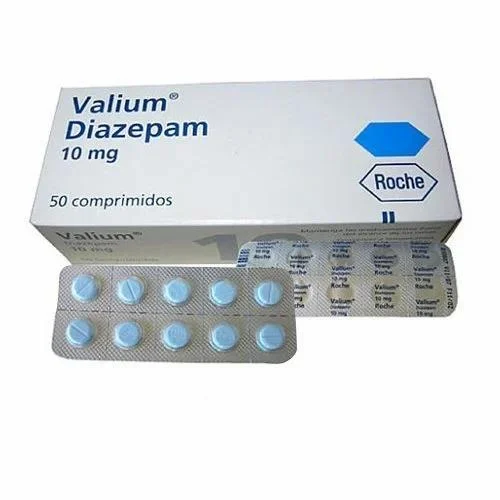 Valium 10mg Guide
Complete guide on Valium (Diazepam) for anxiety, muscle spasms, and alcohol withdrawal.
Learn More →
Valium 10mg Guide
Complete guide on Valium (Diazepam) for anxiety, muscle spasms, and alcohol withdrawal.
Learn More →
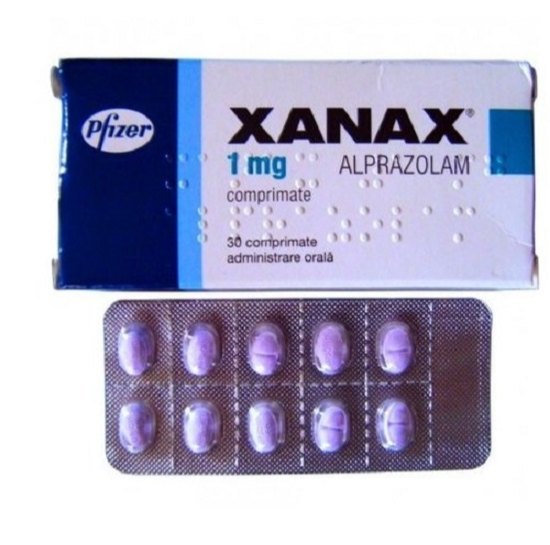 Xanax 1mg Guide
Complete guide on Xanax (Alprazolam) for panic disorder and generalized anxiety.
Learn More →
Xanax 1mg Guide
Complete guide on Xanax (Alprazolam) for panic disorder and generalized anxiety.
Learn More →
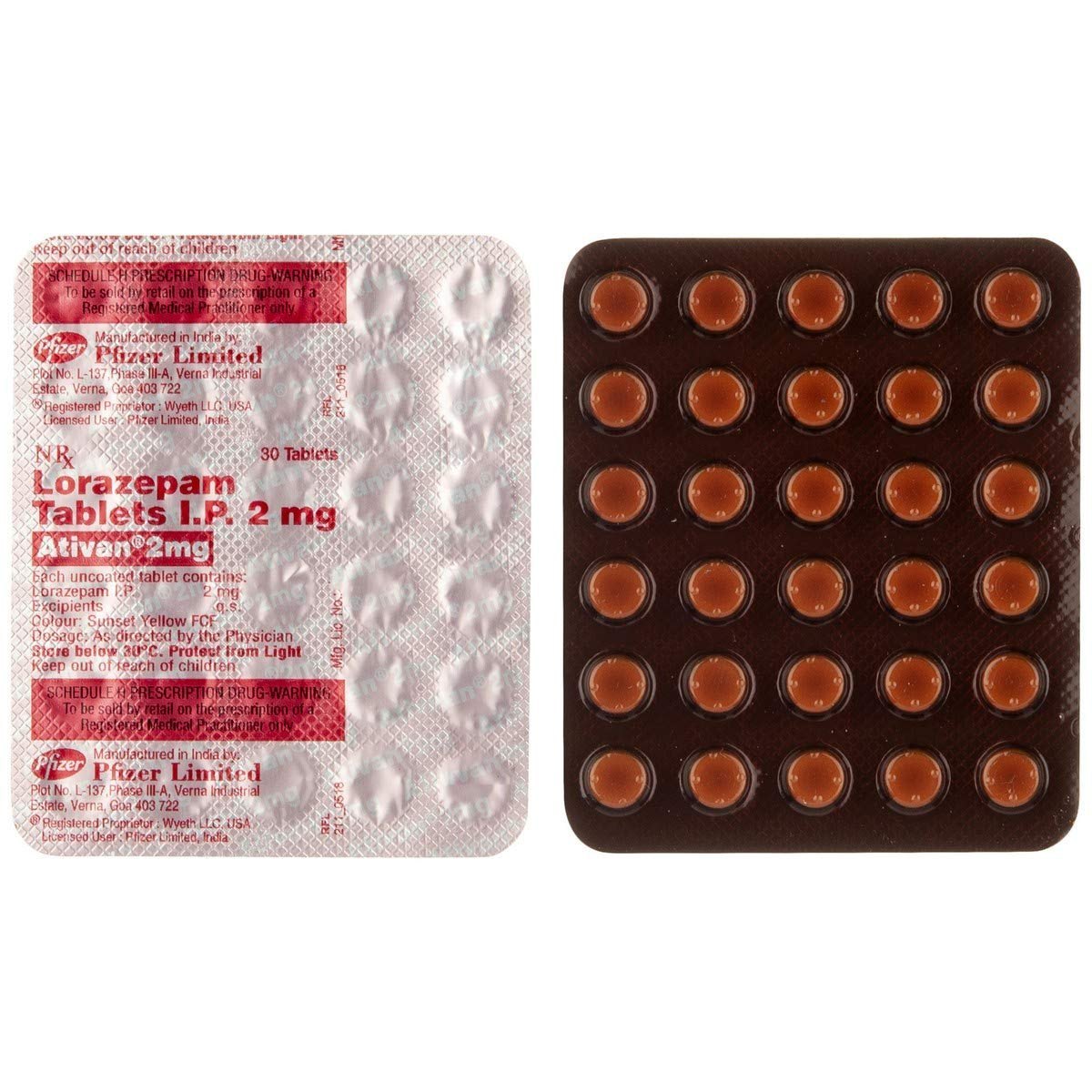 Ativan 2mg Guide
Complete guide on Ativan (Lorazepam) for anxiety, stress, and panic attacks.
Learn More →
Ativan 2mg Guide
Complete guide on Ativan (Lorazepam) for anxiety, stress, and panic attacks.
Learn More →
 Klonopin 2mg Guide
Complete guide on Klonopin (Clonazepam) for anxiety and seizure disorders.
Learn More →
Klonopin 2mg Guide
Complete guide on Klonopin (Clonazepam) for anxiety and seizure disorders.
Learn More →
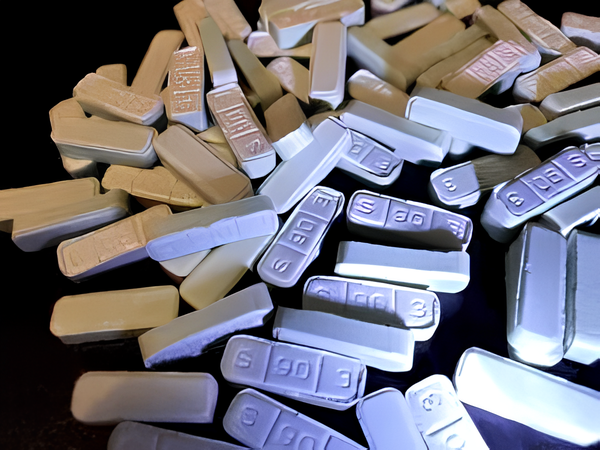 Xanax Bar 2mg Guide
Complete guide on Xanax Bar 2mg (Alprazolam) for severe anxiety and panic.
Learn More →
Xanax Bar 2mg Guide
Complete guide on Xanax Bar 2mg (Alprazolam) for severe anxiety and panic.
Learn More →
⚠️ Prescription required. These guides are for educational purposes only.
7. Lifestyle Changes for Anxiety Relief
In addition to medication and therapy, lifestyle modifications can significantly reduce anxiety symptoms and improve overall well-being:
Exercise and Physical Activity
Regular physical activity releases endorphins (natural mood elevators), reduces stress hormones (cortisol and adrenaline), and improves overall mood. Aim for at least 30 minutes of moderate exercise 5 days a week.
Diet and Nutrition
- Reduce caffeine and sugar intake — both can trigger or worsen anxiety
- Eat a balanced diet rich in whole grains, lean proteins, and vegetables
- Stay hydrated throughout the day — dehydration can worsen anxiety symptoms
Sleep Hygiene
- Maintain a consistent sleep schedule (same bedtime and wake time)
- Create a relaxing bedtime routine (reading, warm bath, gentle stretching)
- Avoid screens (phones, tablets, computers) 1-2 hours before bed
Stress Management
- Practice deep breathing exercises and progressive muscle relaxation
- Try meditation or mindfulness-based stress reduction (MBSR)
- Engage in hobbies and activities you enjoy regularly
8. When to Seek Professional Help
It is important to seek professional help if anxiety or panic symptoms are:
- Interfering with daily activities, work performance, or relationships
- Causing significant distress or discomfort that you cannot manage on your own
- Accompanied by thoughts of self-harm or suicide (seek immediate help)
- Not improving with self-help strategies or lifestyle changes
- Triggering physical symptoms like chest pain, severe shortness of breath, or fainting
Remember: Seeking professional help is a sign of strength, not weakness. With proper treatment, most people with anxiety disorders experience significant improvement in their quality of life. Help is available — you do not have to face anxiety alone.
9. Frequently Asked Questions
10. References & Authoritative Sources
This guide is based on evidence from the following authoritative sources. All information is reviewed and updated regularly to reflect the latest clinical guidelines and FDA recommendations.
[1] U.S. Food and Drug Administration — Drugs@FDA. Valium (Diazepam) — FDA Approval History & Label Information. FDA Website. Accessed July 2026.
[2] U.S. Food and Drug Administration — Drugs@FDA. Xanax (Alprazolam) — FDA Approval History & Label Information. FDA Website. Accessed July 2026.
[3] U.S. Food and Drug Administration — Drugs@FDA. Ativan (Lorazepam) — FDA Approval History & Label Information. FDA Website. Accessed July 2026.
[4] U.S. Food and Drug Administration — Drugs@FDA. Klonopin (Clonazepam) — FDA Approval History & Label Information. FDA Website. Accessed July 2026.
[5] National Institutes of Health — MedlinePlus. Anxiety — MedlinePlus. NIH. Updated 2026.
[6] National Institutes of Health — MedlinePlus. Panic Disorder — MedlinePlus. NIH. Updated 2026.
[7] American Psychiatric Association. Diagnostic and Statistical Manual of Mental Disorders, Fifth Edition, Text Revision (DSM-5-TR). 2022.
[8] National Institute of Mental Health. Anxiety Disorders — NIMH. NIH. Updated 2026.
[9] U.S. Drug Enforcement Administration. Controlled Substance Schedules — Schedule IV. DEA.
Last reviewed and updated: July 14, 2026. This page is intended for educational purposes and should not replace professional medical advice.