Fioricet vs Excedrin: Which is Better for Tension Headaches?
A comprehensive, evidence-based comparison of Fioricet (Butalbital, Acetaminophen, Caffeine) and Excedrin (Acetaminophen, Aspirin, Caffeine) for U.S. patients suffering from tension headaches, migraines, and chronic head pain.
Table of Contents
1. Introduction
Tension headaches are the most common type of headache, affecting approximately 70% of adults in the United States at some point in their lives.[1] For many, over-the-counter medications like Excedrin are a go-to solution. However, for more severe or chronic tension headaches, doctors often prescribe Fioricet. But when it comes to Fioricet vs Excedrin for tension headaches, which one is actually better and safer?
The short answer: it depends on the severity and frequency of your headaches. Fioricet contains a barbiturate (Butalbital) that provides strong muscle relaxation and anxiolytic effects, making it highly effective for severe tension headaches but with a risk of dependence.[2] Excedrin is a pure analgesic combination available over-the-counter, suitable for mild-to-moderate headaches but less effective for severe cases.[3]
If you are exploring other pain management options, you may also find our comparisons of Tramadol vs Oxycodone and Soma vs Flexeril helpful for understanding how muscle tension relates to headaches.
🔗 External Authority Reference: According to the Mayo Clinic, tension headaches are often triggered by stress, anxiety, and poor posture.[4] The NIH classifies Fioricet as a combination product containing a barbiturate, which requires a prescription due to its dependence potential.[2]
2. What is Fioricet?
Fioricet is a combination medication that contains three active ingredients: Butalbital (a barbiturate), Acetaminophen (a pain reliever), and Caffeine (a stimulant). It is FDA-approved for the treatment of tension-type headaches.[2]
Butalbital is a central nervous system depressant that relaxes muscle contractions and reduces anxiety, addressing the root cause of many tension headaches. Acetaminophen provides pain relief, and Caffeine enhances the effectiveness of the pain reliever and counteracts some of the sedation caused by Butalbital.
Fioricet is available only by prescription and is classified as a Schedule III controlled substance in some states due to the Butalbital component.[5] It is typically prescribed for short-term use to avoid dependence.
How Fioricet Works
Fioricet works synergistically. Butalbital relaxes tense muscles and reduces the anxiety that often accompanies headache pain. Acetaminophen blocks pain signals in the brain. Caffeine constricts dilated blood vessels and enhances the pain-relieving effects of Acetaminophen. This triple-action mechanism makes Fioricet highly effective for moderate-to-severe tension headaches.[2]
Common Dosage
Fioricet is available in capsule and tablet forms containing 50mg Butalbital, 325mg Acetaminophen, and 40mg Caffeine. The typical starting dose for adults is 1 to 2 capsules every 4 hours as needed for pain, not exceeding 6 capsules per day.[2]
👉 Learn More: For detailed information on dosage, side effects, and safety, read our comprehensive Fioricet 40mg Informative Guide.
3. What is Excedrin?
Excedrin is an over-the-counter combination medication that contains three active ingredients: Acetaminophen, Aspirin, and Caffeine. It is one of the most popular headache medications in the United States and is FDA-approved for the treatment of migraines and tension headaches.[3]
Excedrin is available in various formulations, including Excedrin Extra Strength (250mg Acetaminophen, 250mg Aspirin, 65mg Caffeine) and Excedrin Migraine (same formulation with different labeling). It is not a controlled substance and is widely available without a prescription.
How Excedrin Works
Excedrin works by combining two analgesics (Acetaminophen and Aspirin) with Caffeine. Acetaminophen blocks pain signals in the brain. Aspirin is an NSAID that reduces inflammation and pain. Caffeine enhances the pain-relieving effects and is particularly effective for migraines by constricting dilated blood vessels in the brain.[3]
Common Dosage
Excedrin Extra Strength comes in caplet form. The typical starting dose for adults is 2 caplets every 6 hours as needed for pain, not exceeding 8 caplets per day. Excedrin Migraine is taken at the same dosage, though it is specifically marketed for migraines.[3]
4. Fioricet vs Excedrin – Comparison Table
Here is a side-by-side comparison of the key differences between Fioricet and Excedrin:[2][3]
| Feature | Fioricet | Excedrin |
|---|---|---|
| Active Ingredients | Butalbital, Acetaminophen, Caffeine | Acetaminophen, Aspirin, Caffeine |
| Barbiturate | Yes (Butalbital – Schedule III) | No |
| Availability | Prescription Only | Over-the-Counter |
| DEA Schedule | Schedule III (in some states) | Not Controlled |
| Onset of Action | 30 – 60 minutes | 30 minutes |
| Duration of Effect | 4 – 6 hours | 4 – 6 hours |
| Primary Use | Moderate-to-severe tension headaches | Mild-to-moderate tension headaches, migraines |
| Key Side Effects | Drowsiness, dizziness, dependence risk | Stomach irritation, liver damage (with overdose) |
5. Onset & Duration of Action
Understanding the timing of these medications is crucial for effective headache management, especially if you need to continue your daily activities.[2][3]
Fioricet – Reliable, Smooth Relief
Fioricet typically begins working within 30 to 60 minutes, with peak effects in 1 to 2 hours. The Butalbital component provides a calming effect that can last for several hours, addressing both the pain and the tension that causes it. Its effects generally last 4 to 6 hours, making it suitable for acute headache episodes.[2]
Because of the barbiturate component, Fioricet can cause sedation, which may limit your ability to drive or operate machinery.
Excedrin – Fast, Non-Sedating
Excedrin begins working in about 30 minutes, with peak effects in 1 hour. The combination of Acetaminophen, Aspirin, and Caffeine provides rapid relief without significant sedation. Its effects last 4 to 6 hours, making it a good choice for daytime use when you need to stay alert.[3]
Excedrin is particularly effective for migraines because the Caffeine component helps constrict dilated blood vessels in the brain.
6. Side Effects & Safety Comparison
Both medications have significant side effects and safety considerations, especially related to their different active ingredients.[2][3][5]
Common Side Effects of Fioricet
- Drowsiness and sedation – very common due to Butalbital
- Dizziness and lightheadedness
- Nausea and stomach upset
- Dependence and withdrawal – with prolonged use
- Liver damage – due to Acetaminophen (risk with overdose)
Common Side Effects of Excedrin
- Stomach irritation – due to Aspirin
- Nausea
- Liver damage – due to Acetaminophen (risk with overdose)
- Reye's syndrome – in children and teens with viral infections (Aspirin warning)
- Heartburn and gastrointestinal bleeding
Serious Risks (Both)
- Dependence (Fioricet only): Butalbital is a barbiturate with potential for physical and psychological dependence. Withdrawal symptoms can include anxiety, insomnia, and seizures.[5]
- Acetaminophen Toxicity: Both contain Acetaminophen. The maximum daily dose is 4,000mg. Exceeding this can cause severe liver damage. Do not combine with other Acetaminophen-containing products.[6]
- Rebound Headaches: Overuse of either medication can lead to medication-overuse headaches (MOH), also called rebound headaches.[4]
- Aspirin Warning: Excedrin contains Aspirin, which should not be given to children or teens with viral infections due to the risk of Reye's syndrome.[3]
Always follow the recommended dosage on the label or as prescribed by your doctor. Never exceed the maximum daily dose of Acetaminophen (4,000mg).[6]
7. Which One Should You Choose?
The choice between Fioricet and Excedrin depends on the severity and frequency of your headaches, your medical history, and your lifestyle.[4]
Consider Fioricet if you:
- Have severe, disabling tension headaches that don't respond to OTC medications.
- Experience muscle tension and anxiety associated with your headaches.
- Have no history of substance abuse (due to dependence risk).
- Need a prescription-strength solution.
- Can tolerate sedation and plan to rest after taking the medication.
Consider Excedrin if you:
- Have mild-to-moderate tension headaches or migraines.
- Prefer an over-the-counter solution without a prescription.
- Need to stay alert after taking medication (no sedation).
- Have no stomach sensitivity to Aspirin.
- Want a cost-effective solution for occasional headaches.
Important: According to the Mayo Clinic, lifestyle changes like stress management, regular sleep, and good posture are essential for preventing tension headaches.[4] Medications should be used as a short-term adjunct, not a long-term solution.
📚 Learn More About Headache Medications
Explore our educational guides on headache medications available in the U.S.
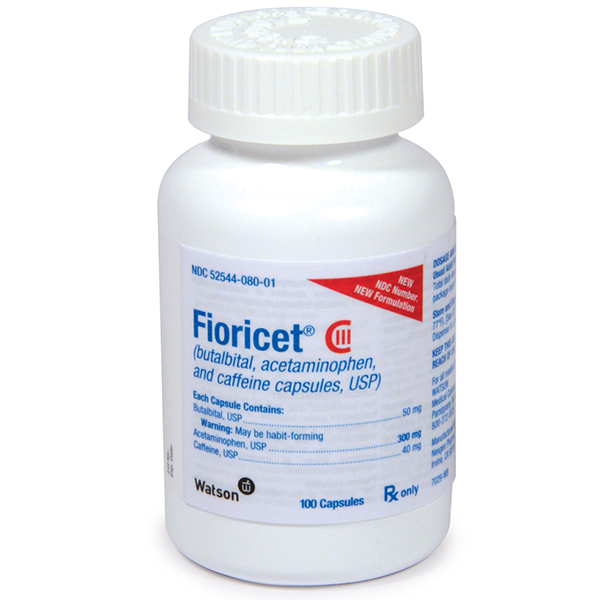
⚠️ Prescription required. Available only through licensed healthcare providers. Contains Butalbital – a controlled substance.
8. Frequently Asked Questions
References & Authoritative Sources
This guide is based on evidence from the following authoritative sources. All information is reviewed and updated regularly to reflect the latest clinical guidelines and FDA recommendations.
[1] National Institute of Neurological Disorders and Stroke. Headache — NINDS. NIH. Updated 2026.
[2] National Institutes of Health — MedlinePlus. Fioricet: MedlinePlus Drug Information. NIH. Updated 2026.
[3] National Institutes of Health — MedlinePlus. Excedrin: MedlinePlus Drug Information. NIH. Updated 2026.
[4] Mayo Clinic. Tension Headache — Symptoms and Causes. Mayo Clinic. Updated 2026.
[5] U.S. Drug Enforcement Administration. Controlled Substance Schedules — Schedule III. DEA.
[6] U.S. Food and Drug Administration. Acetaminophen Information — FDA. FDA. Updated 2026.
[7] National Headache Foundation. Tension Headache — NHF. National Headache Foundation.
Last reviewed and updated: July 14, 2026. This page is intended for educational purposes and should not replace professional medical advice.
📚 Need More Information?
Explore our comprehensive guides on headache management and pain relief.
Browse All Guides →