Valium vs Xanax: Which is Better for Anxiety Relief?
A detailed comparison of Valium (Diazepam) and Xanax (Alprazolam) to help you understand which one may be right for your anxiety.
Table of Contents
1. Introduction
Anxiety disorders affect over 40 million adults in the United States each year, making them the most common mental health condition in the country. For many, prescription medications like Valium (Diazepam) and Xanax (Alprazolam) are essential tools for managing symptoms. But with two widely used options, a common question arises: "Which is better for anxiety, Valium or Xanax?"
The short answer is that neither is universally 'better'. The right choice depends on your specific anxiety profile, lifestyle, and medical history. This comprehensive guide will compare both medications across multiple dimensions — mechanism of action, onset, duration, side effects, and ideal use cases — so you can have an informed discussion with your healthcare provider.
🔗 External Authority Reference: According to the Mayo Clinic, benzodiazepines are effective for short-term anxiety management. The NIH provides detailed information on both Diazepam and Alprazolam.
Before we dive into the details, it is essential to note that these medications are available only with a valid prescription from a licensed healthcare provider in the USA. Self‑medication or using them without medical supervision can lead to serious health risks, including dependence and withdrawal symptoms.
2. What is Valium (Diazepam)?
Valium, known generically as Diazepam, is a long‑acting benzodiazepine that was first introduced in the 1960s. It is used to treat a variety of conditions, including Generalized Anxiety Disorder (GAD), Muscle spasms and tension headaches, Alcohol withdrawal symptoms, and Seizure disorders (as an adjunctive therapy).
Valium has a relatively long half‑life of 20 to 100 hours, which means it stays in the body for a considerable time. This makes it ideal for conditions that require a consistent level of medication throughout the day, such as generalized anxiety accompanied by muscle tension.
How Valium Works
Valium binds to specific receptors on the GABA-A receptor complex in the brain. By enhancing the inhibitory effect of GABA, it reduces the excitability of neurons, resulting in a calming effect, muscle relaxation, and a reduction in anxiety.
Common Dosage
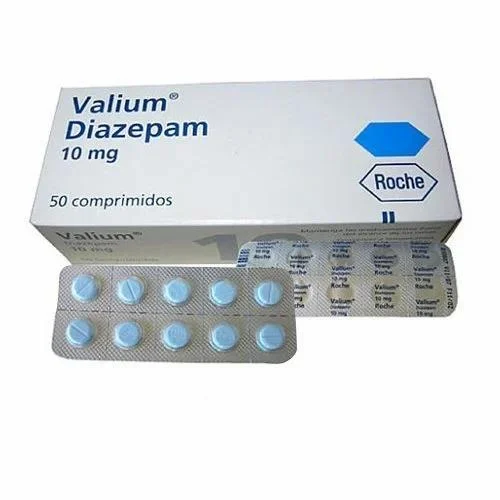
Valium is available in strengths of 2mg, 5mg, and 10mg tablets. The typical starting dose for anxiety in adults is 2mg to 5mg taken two to four times daily. Your doctor will adjust the dose based on your individual response and tolerance.
🛒 Valium 10mg – Available Options
3. What is Xanax (Alprazolam)?
Xanax, known generically as Alprazolam, is a short‑acting benzodiazepine that is one of the most prescribed medications for anxiety in the United States. It is primarily indicated for Generalized Anxiety Disorder (GAD), Panic disorder (with or without agoraphobia), and Anxiety associated with depression.
Xanax has a much shorter half-life of about 11 to 20 hours, which means it works quickly but also leaves the system relatively fast. This makes it highly effective for acute anxiety episodes or panic attacks, where rapid relief is crucial.
How Xanax Works
Like Valium, Xanax enhances GABA activity in the brain. However, its molecular structure allows it to bind more quickly and with higher affinity to certain GABA-A receptor subtypes. This gives it a faster onset of action — typically 15 to 30 minutes — which is why it is often preferred for panic attacks and sudden anxiety spikes.
Common Dosage
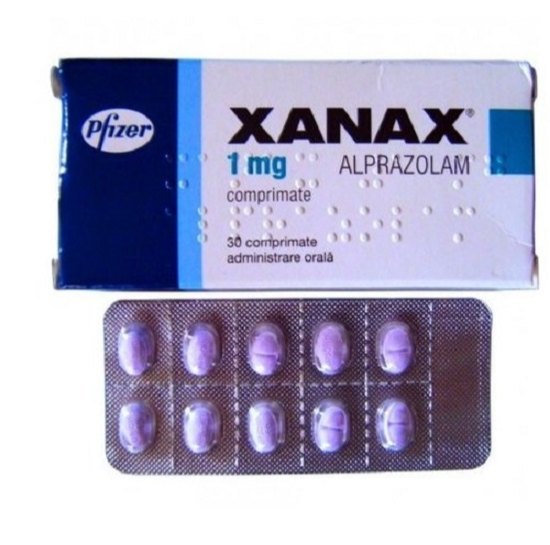
Xanax is available in immediate‑release tablets of 0.25mg, 0.5mg, 1mg, and 2mg. For anxiety, the typical starting dose is 0.25mg to 0.5mg taken three times daily. For panic disorder, the dose may be titrated up to 1mg or more per dose, under close medical supervision.
🛒 Xanax 1mg – Available Options
4. Valium vs Xanax – Comparison Table
This side‑by‑side comparison highlights the key differences between Valium and Xanax:
| Feature | Valium (Diazepam) | Xanax (Alprazolam) |
|---|---|---|
| Drug Class | Benzodiazepine (Long-acting) | Benzodiazepine (Short-acting) |
| Half‑Life | 20 – 100 hours | 11 – 20 hours |
| Onset of Action | 30 – 60 minutes | 15 – 30 minutes |
| Duration of Effect | 6 – 8 hours (active metabolites prolong effects) | 4 – 6 hours |
| Primary Indications | GAD, muscle spasms, alcohol withdrawal, seizures | GAD, panic disorder, acute anxiety attacks |
| Common Strengths | 2mg, 5mg, 10mg | 0.25mg, 0.5mg, 1mg, 2mg |
| Best For | Sustained, all‑day anxiety with muscle tension | Rapid relief of panic attacks or situational anxiety |
| Risk of Dependence | Moderate (due to long half‑life) | Higher (due to rapid onset and rebound anxiety) |
5. Onset & Duration of Action
One of the most significant differences between Valium and Xanax is how quickly they work and how long their effects last.
Valium – Slow and Steady
Valium's onset is slower (30–60 minutes) because it is highly lipophilic (fat‑soluble) and distributes widely in the body before reaching peak brain levels. However, it has a very long half‑life, and its active metabolites (desmethyldiazepam) can stay in the system for days. This makes Valium ideal for chronic, daily anxiety where a constant level of calming effect is desired.
Xanax – Fast and Flexible
Xanax is rapidly absorbed from the gastrointestinal tract, with peak plasma levels reached in about 1 to 2 hours. Its rapid onset (within 15–30 minutes) makes it the go‑to choice for acute anxiety attacks or for people who experience sudden spikes of anxiety in specific situations (e.g., public speaking, flying). However, its shorter half‑life means that the effects wear off after 4 to 6 hours, and there is a greater risk of "breakthrough anxiety" between doses.
6. Side Effects Comparison
Both medications share similar side effect profiles, but certain side effects are more prominent with one than the other.
Common Side Effects of Valium
- Drowsiness and fatigue
- Muscle weakness
- Ataxia (lack of coordination)
- Dizziness
- Constipation
- Confusion in elderly patients
Common Side Effects of Xanax
- Drowsiness and sedation
- Lightheadedness
- Memory impairment (short‑term)
- Dry mouth
- Rebound anxiety (when the dose wears off)
- Changes in appetite
Serious Risks (Both)
- Dependence & Withdrawal: Both are Schedule IV controlled substances. Withdrawal symptoms can include rebound anxiety, insomnia, tremors, and seizures.
- Respiratory Depression: Especially dangerous when combined with alcohol or other CNS depressants.
- Paradoxical Reactions: Rarely, both can cause increased anxiety, agitation, or aggression.
It is crucial to use these medications only as prescribed and to never stop them abruptly without your doctor's guidance.
7. Which One Should You Choose?
The choice between Valium and Xanax is not a one‑size‑fits‑all decision. Here are some general guidelines:
Choose Valium if you have:
- Generalized anxiety with persistent, low‑level symptoms throughout the day.
- Muscle tension or spasms associated with anxiety.
- Preference for a once‑ or twice‑daily dosing schedule.
Choose Xanax if you have:
- Panic disorder or frequent, unpredictable panic attacks.
- Situational anxiety (e.g., phobias, performance anxiety).
- Need for fast‑acting relief when anxiety spikes.
Important: Your doctor will consider your medical history, other medications you are taking, and any history of substance abuse before prescribing either. Always follow your healthcare provider's guidance.